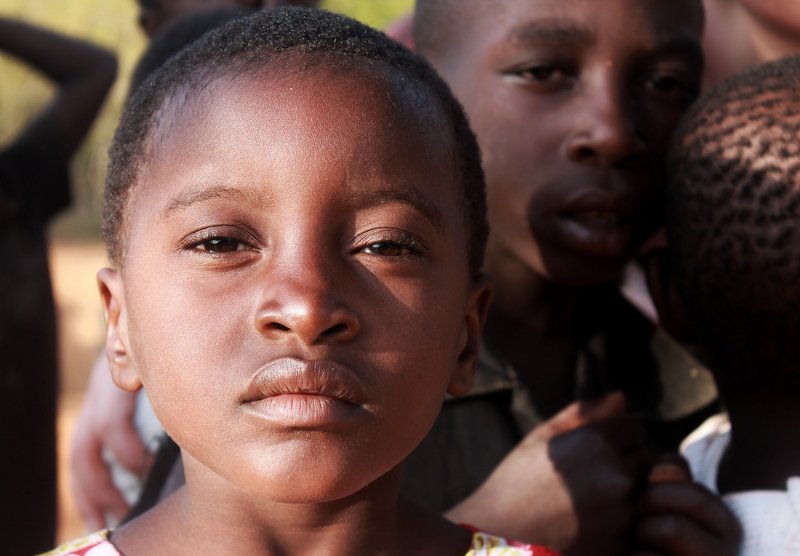


The consequences of climate change are clearly felt in the Horn of Africa: long dry spells and devastating floods are threatening the livelihoods of entire families. The lives and futures of women and girls are particularly at risk from climate change.
In East Africa – in the Horn of Africa – a prolonged drought was recently followed by heavy rainfall. The poorest children are hit hardest by these extreme weather events, which are also considered a consequence of climate change. The weather phenomenon El Niño is making the already devastating situation even worse: in Kenya alone, thousands of people have lost their homes. Entire buildings were swept away. Schools were converted into emergency shelters, making it impossible for many children to attend classes. Following a dam collapse at the end of April 2024, several people lost their lives in the floods.
Five consecutive dry spells had already had devastating consequences for families in the Horn of Africa. As food prices rose, harvests failed and livestock died, the food security of millions of children was severely threatened. Climate researchers have pointed out that the drought in the region was significantly intensified by climate change. Climate change has a massive impact on food security, partly due to higher temperatures, changing rainfall patterns and more frequent extreme weather events such as flooding. For girls and women, the already dire situation poses additional dangers owing to gender-based inequalities.
On unicef.de you can read three facts about how climate change affects girls and women in the Horn of Africa.