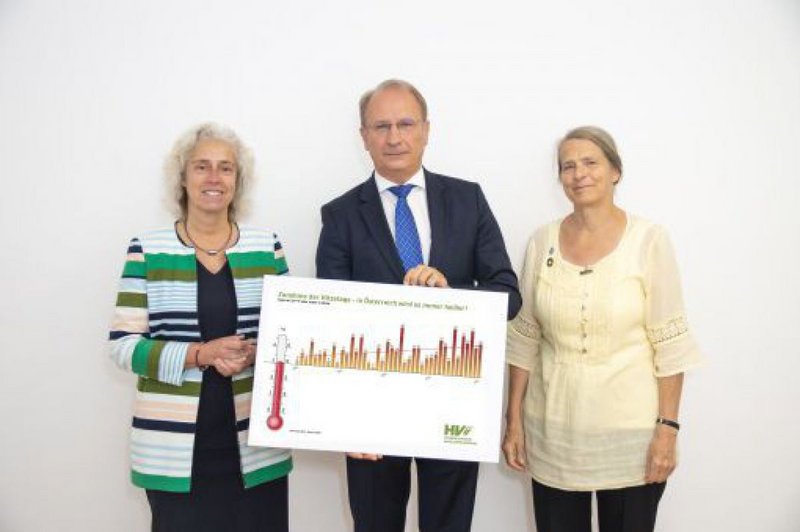


The Intergovernmental Panel on Climate Change (IPCC) presented a special report in October 2018 on the 1.5-degree target of the Paris climate protection agreement. It shows that profound and rapid changes are needed to stop global warming and thereby avert catastrophic consequences for all life on Earth. But the report also shows that it can be done: it requires a reduction in global net greenhouse gas emissions of 45 per cent by 2030 and to zero by 2050.
This story was created on the basis of these figures. We look 30 years into the future, to the year 2050, and declare the goal achieved. That sounds a little presumptuous when you consider that 30 years ago — in 1989 — the first PCs and mobile phones were just making their way into many companies, and there was no talk of the internet or smartphones. Although: the seeds for today's developments had already been sown. I remember the 1990s well, when everyone was talking about the digitalisation of the economy — and many were investing. The bursting of the dotcom bubble in 2000 brought an abrupt end to the lives of many companies and the dreams associated with them. But: some companies not only survived but today top the list of the world's most valuable companies, such as Apple, Amazon, Microsoft, and Alphabet.
So here we are in 2050. The goal has been achieved: we no longer emit greenhouse gases. How did the Austrian economy manage this? Which business models are successful? <link https: www.businessart.at oesterreich-2050-die-statements>12 managers have embraced this fictional story and share their vision. Alongside the statements, we went in search of seeds for the future — what will happen over the next 30 years can be found in the <link https: www.businessart.at klimawandel-live-ticker-2019-bis-2050>live ticker.