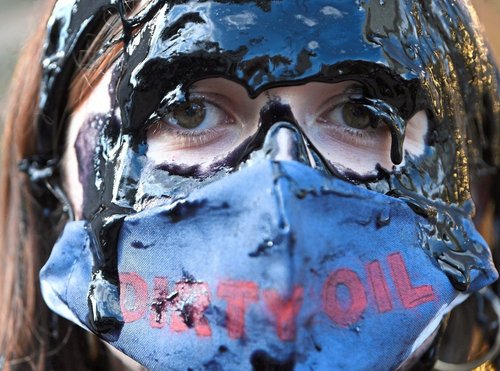


Are the demands of young activists excessive? No, say climate researchers — and they're grappling with the question of how to respond to the protests. That successes and disappointments can go hand in hand is illustrated by the recently concluded UN Climate Change Conference, COP 27. The agreement on a loss and damage fund, offering financial assistance to particularly affected nations following climate-related losses, is being hailed as a historic step forward. While this long-called-for measure has now been taken, negotiations on climate protection stalled completely.
"We are currently heading towards a climate catastrophe — the research is clear," emphasises Huppmann, who contributed to the IPCC Special Report 2018 on global warming of 1.5 degrees. More important than the question of which form of protest is legitimate, "is to discuss the necessary solutions and ask why urgent measures are still not being taken." This applies to those climate protection targets set by elected representatives, for instance within the framework of the Paris Agreement. He sees the demands of young activists as neither excessive nor far-fetched.
"What Fridays for Future are ultimately calling for is that the promises made by political decision-makers in Paris and at many other conferences on the basis of scientific evidence are actually implemented." Given this assessment, one wonders what role and responsibility science has in a situation caught between political inertia and civil protest — especially since it is well aware of the potentially devastating consequences of unchecked global warming. Should science engage more actively, and is it even allowed to?
"I think that as a scientist you can also get involved," says Ilona Otto. She researches the social impacts of climate change at the Wegener Center for Climate and Global Change at the University of Graz. Every researcher takes on several social roles — she herself is a scientist, but also a mother and a citizen. "In your work you get to know the risks of certain processes, you know they're bad for society, and you try to move the conversation forward accordingly." As an example, she points to doctors who campaigned against smoking and advocated for smoking bans.
Read the full article on the Der Standard website!