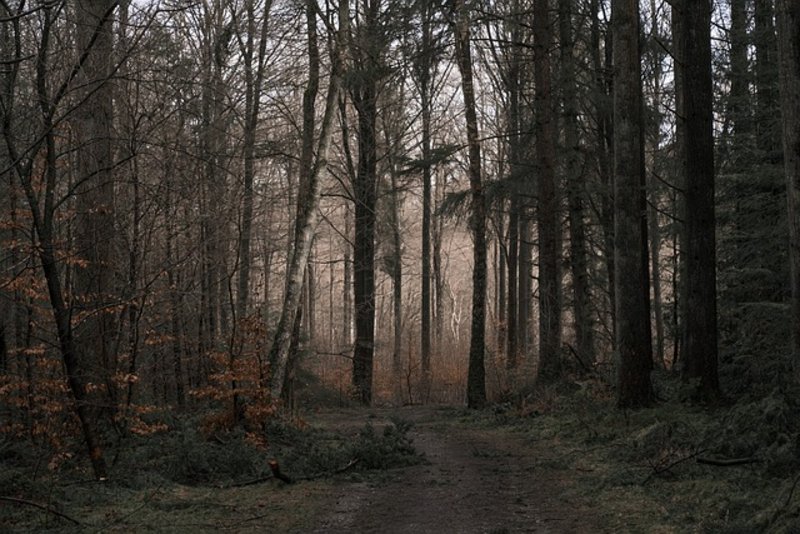


Austria's forests are facing major changes — rapid temperature increases, extreme weather, and introduced species as well as pathogens are taking a toll on forest health. For ten years now, there has been a "sustained bark beetle mass outbreak".
Austria's forests are undergoing profound changes, driven primarily by rapid temperature increases, extreme weather events, introduced species, and pathogens. At the same time, some stakeholders are pinning great hopes on forests as a means of storing CO2 from the atmosphere. How forest health will fare in the future depends largely on whether and where the "dramatic warming" levels off, according to Gernot Hoch from the Federal Research Centre for Forests (BFW).
In recent years, it has been primarily heat and drought, and this year frequent heavy rainfall that forests — particularly those in eastern Austria — have had to contend with. Overall, it's fair to say that temperature conditions in this country have changed significantly within just a few decades, said the head of the BFW's Forest Protection specialist institute in conversation with APA. By way of comparison: now that average temperatures have risen by around two degrees Celsius compared to earlier years, this roughly corresponds to a shift in altitude of 200 to 300 metres.
Two factors in particular: climate change and "invasive pest organisms"… read on at diepresse.com