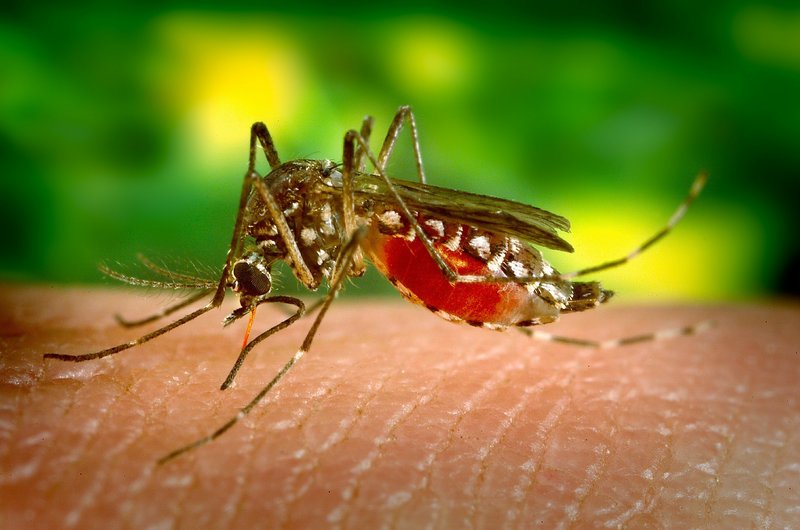


Zoonoses are infectious diseases that can jump from animals to humans — these include malaria, Ebola, and salmonella, for example. Three quarters of all diseases that have emerged over the past ten years belong to these zoonoses.
How and where these diseases will spread in the future depends primarily on climate change, according to the findings of a recent study from the University of Liverpool, published in the journal <link http: dx.doi.org s41598-017-06948-9>"Scientific Reports". The so-called vector-borne diseases — that is, diseases transmitted by insects — are responding more strongly to rising temperatures than previously thought.
Read the full report on <link http: science.orf.at stories external-link-new-window external link in new>science.orf.at.