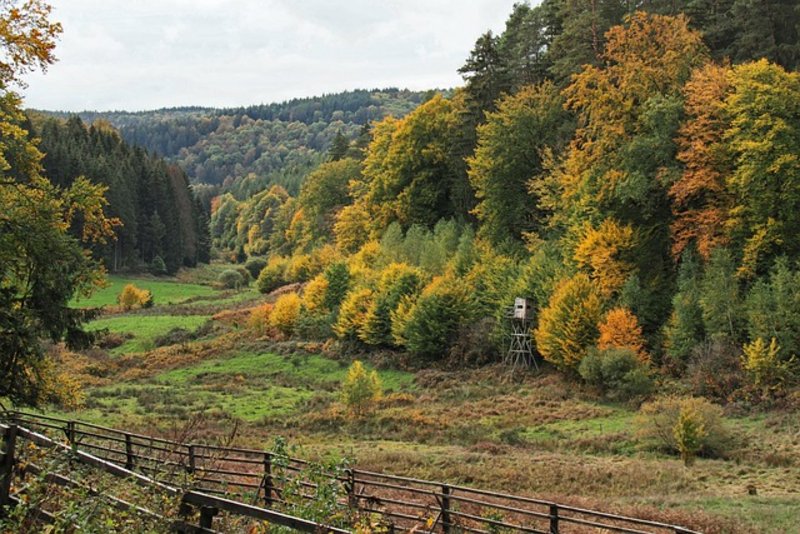


Austria's forests are coming under pressure primarily from wildlife damage and climate change. Climate change, with its longer dry periods, bark beetle infestations, and extreme weather events, represents the greatest challenge, said Forestry Minister Norbert Totschnig (ÖVP) at a press conference on Monday. Countermeasures include rejuvenating forests, reforestation with "climate-resilient" plants, and measures to reduce wildlife damage.
The press conference was prompted by the publication of the 2024 Wildlife Damage Report and the Austrian forest inventory, carried out by the Federal Research Centre for Forests (BFW) across a total of 11,000 sample plots throughout the country. "Our goal is to prepare the forest for the next hundred years," said Totschnig.
To achieve this, the primary focus is on forest rejuvenation. Open areas are to be replanted as quickly as possible, and ageing forests renewed. "For carbon storage, the rejuvenation of forests is absolutely essential," said Totschnig. After all, forest stands aged 41 to 60 years sequester the most carbon. Rejuvenation is being supported through initiatives such as the Forest Fund, which has already helped fund the planting of over 26.3 million "climate-resilient forest plants".
"The climate-resilient forest is a diverse forest"… Read the full article on orf.at!