

Every year, the Pasterze at the foot of the Grossglockner loses up to two metres of ice thickness. According to GeoSphere Austria, the result of this consequence of climate warming seems clear: the Pasterze is currently still Austria's largest glacier — but probably not for much longer.
This warning came from GeoSphere Austria, which regularly surveys and measures the glacier, on the occasion of the first-ever "World Glacier Day", observed this Friday.
Lower section gone by 2050
The year 2025 has been declared the "International Year of Glacier Preservation" by the United Nations. And things don't look good, particularly for the lower section of the Pasterze — the so-called glacier tongue. "The lower glacier section of the Pasterze, that is, the distinctive glacier tongue, will largely have disappeared by 2050," said glaciologist Bernhard Hynek from GeoSphere Austria. "Whilst the higher glacier areas of the Pasterze will persist in a greatly reduced form for somewhat longer."
Measurements since the late 19th century
The change in length of the Pasterze has been regularly measured since the late 19th century. Since 1980, the mass change has been measured annually, initially by Tauernkraftwerke AG (now Verbund) and since 2004 by GeoSphere Austria. "Once or twice a year, we determine the mass change on the Pasterze and on two glaciers in the Sonnblick region," explained Hynek.
Find out more at: science.orf.at
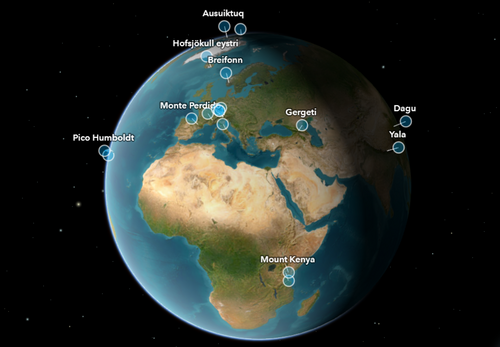
To get a picture of glacier melt, the website "Global Glacier Casualty List" was created. On an interactive map, it lists those glaciers that no longer exist…