


25th Austrian Climate Day under the motto "The Alps as a Living and Economic Space"
23–25 April 2025, University of Innsbruck
This year's 25th Austrian Climate Day was all about the Alpine region. Under the motto "The Alps as a Living and Economic Space", the event focused on the particular challenges and opportunities arising from climate change in mountain regions. The host city of Innsbruck – right in the heart of the Alps – provided not only a symbolically fitting backdrop, but also an excellent scientific host in the University of Innsbruck.
The University of Innsbruck has a long-standing research tradition in the field of Alpine climate change adaptation and impact assessment. Having already hosted the Climate Day in 2014, the university was once again able to highlight its central role in the Austrian climate research landscape eleven years later, with expertise in areas such as glacier research, natural hazards, biodiversity, and sustainable regional development. This made the University of Innsbruck once again the host of the most important networking event in the Austrian climate research community.
The Alpine region is one of the areas in Europe most severely affected by the climate crisis. Temperatures here are rising roughly twice as fast as the global average, leading to drastic changes such as glacier retreat, an increase in natural hazards, and shifts in Alpine vegetation. Innsbruck has meanwhile established itself as a hotspot for hot days – a clear sign of the advancing warming in mountain areas. The Alpine region is also densely populated and heavily used economically – from tourism and agriculture through to energy supply. This makes close collaboration between science, policy, public administration, and civil society all the more important in order to develop and implement regional adaptation and mitigation strategies.
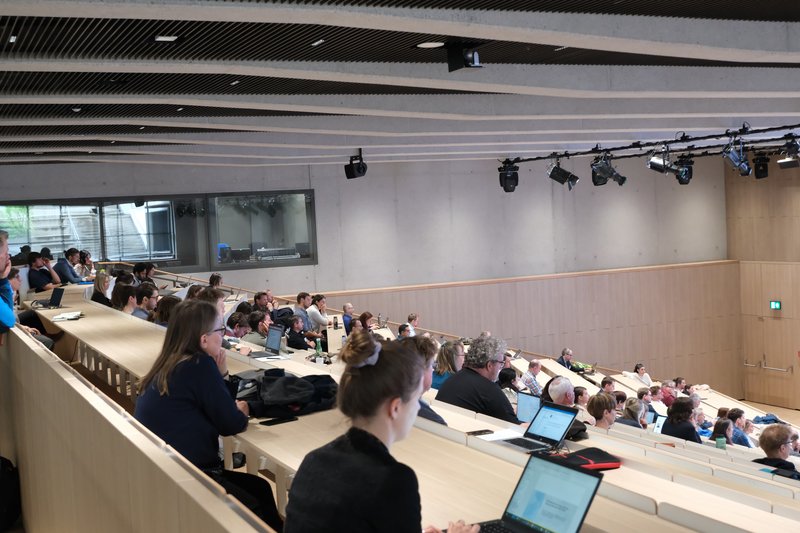
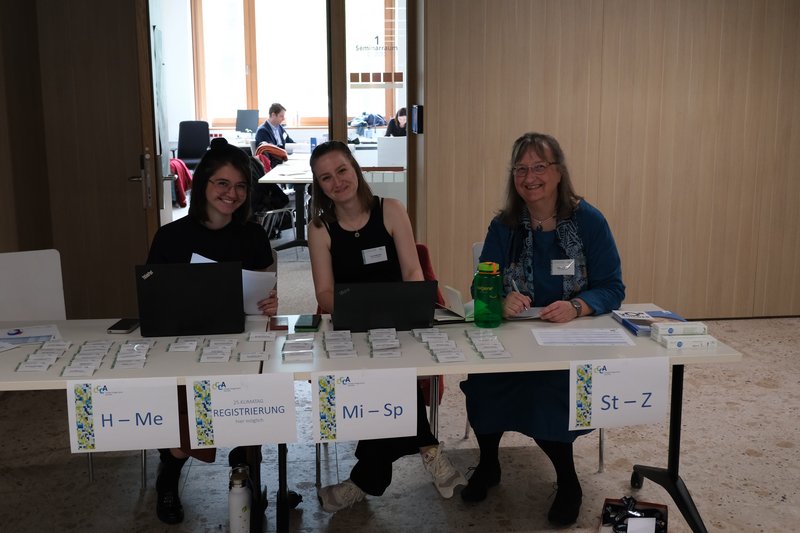
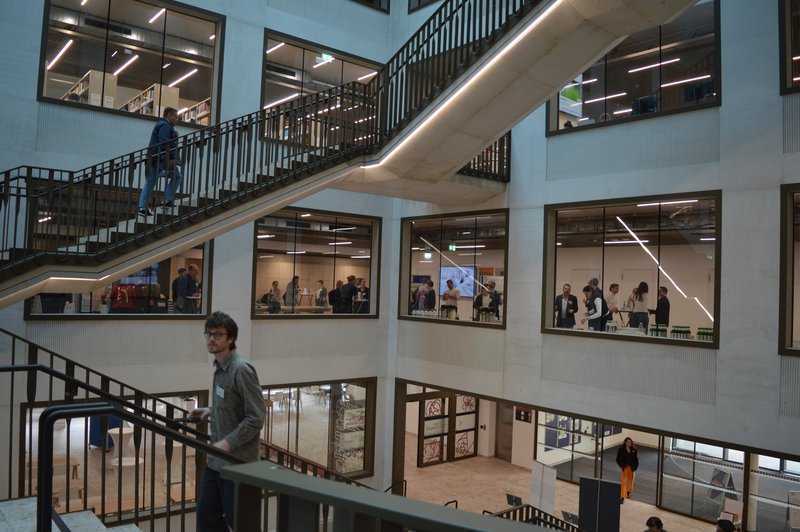
Over 200 participants from science, public administration, business, and research funding bodies came together in Innsbruck to discuss current research findings as part of the 25th Climate Day, present projects, and deepen their networks (the programme is available here).
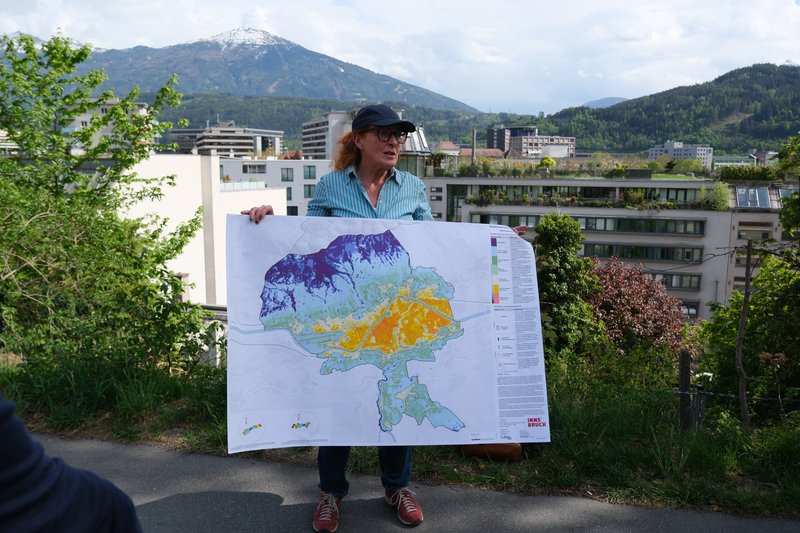
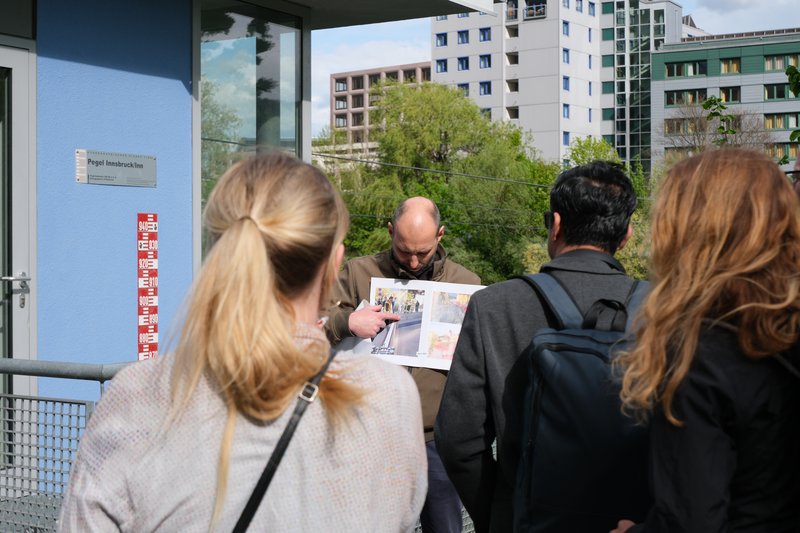
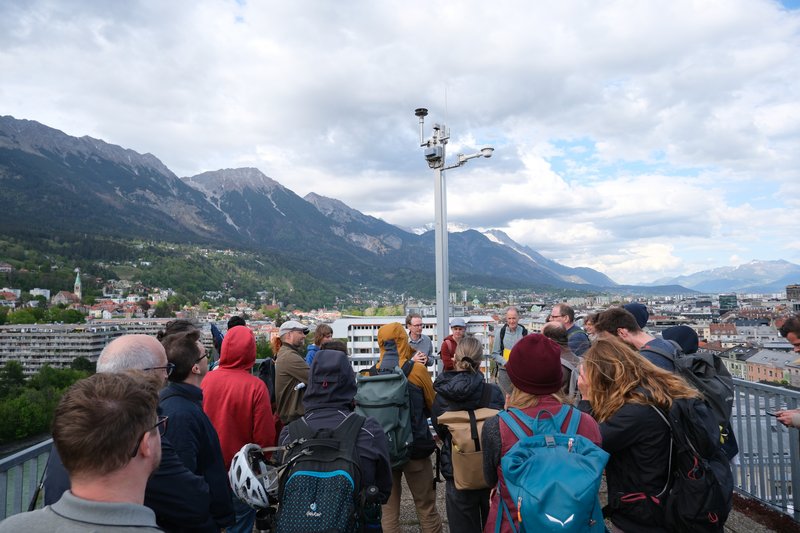
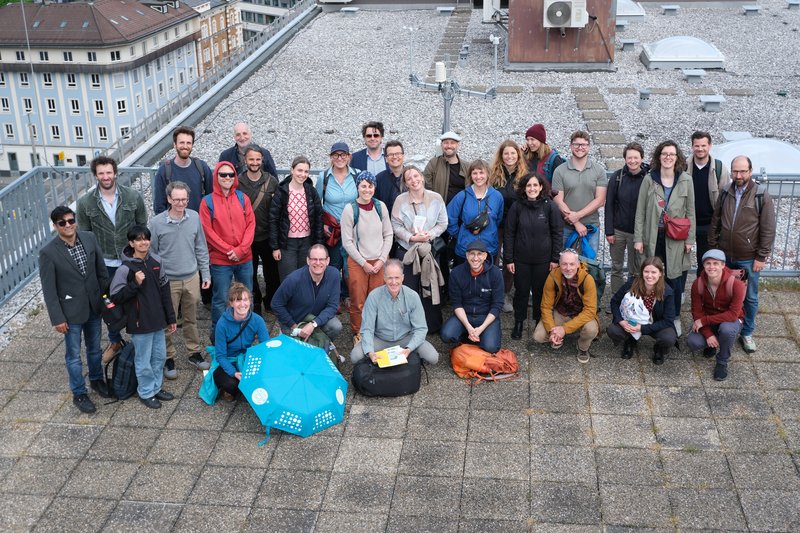
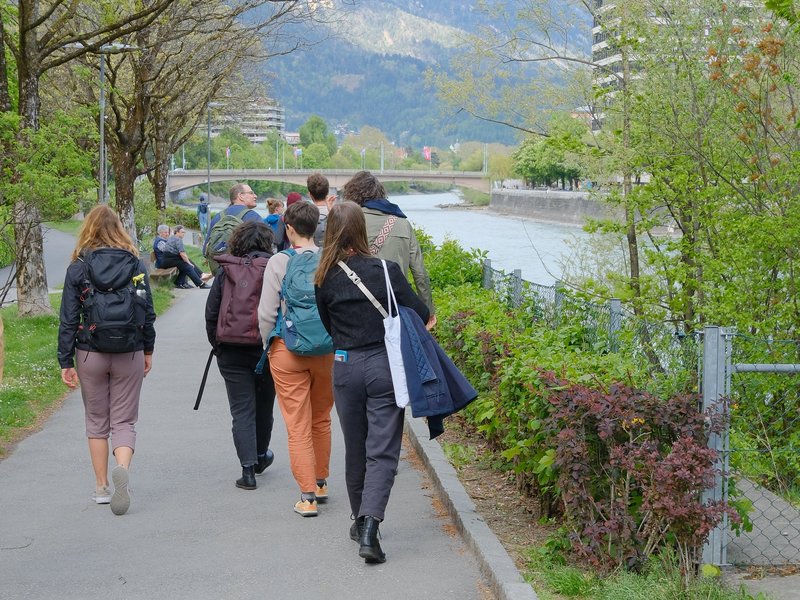
In the run-up to the Climate Day, the Climate Walk under the motto "Alpine-Urban" invited participants to explore climate-related challenges and solutions in Innsbruck's urban space together. Through transdisciplinary exchange with local experts, topics such as heat islands, green-blue infrastructure, and urban transformation processes were brought to light. The walk offered fresh perspectives on the Alps as a living and economic space, and rounded off with lively conversations at the Agnes Heller Haus.
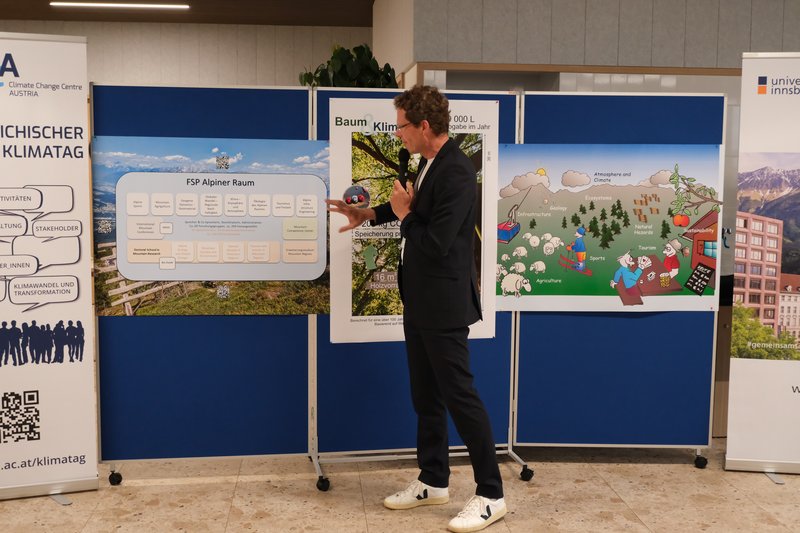
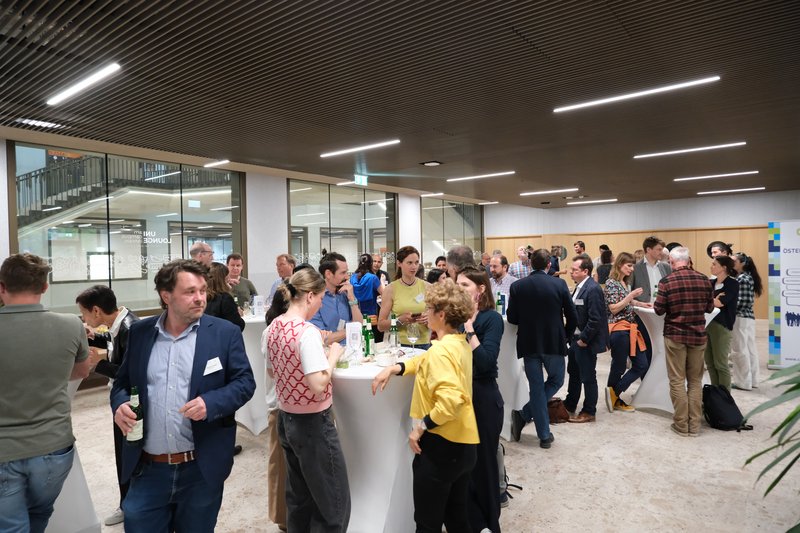
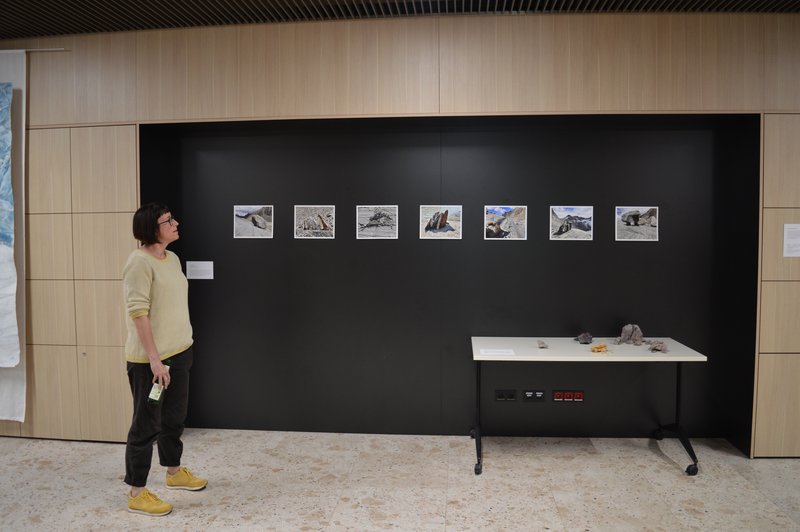
At the traditional Icebreaker on Wednesday evening, the host University of Innsbruck introduced itself. Vice-Rector Gregor Weihs opened the event, followed by an input from the research focus area "Alpine Space" to set the tone for this year's theme "The Alps as a Living and Economic Space". The art exhibition "Echos of landscape lost" on glacier retreat provided an artistic framing for the conference opening and remained accessible throughout the entire conference. A further thematic highlight was the presentation of the PEAK project by the public relations office, which explores new approaches to science communication around topics such as climate and biodiversity.
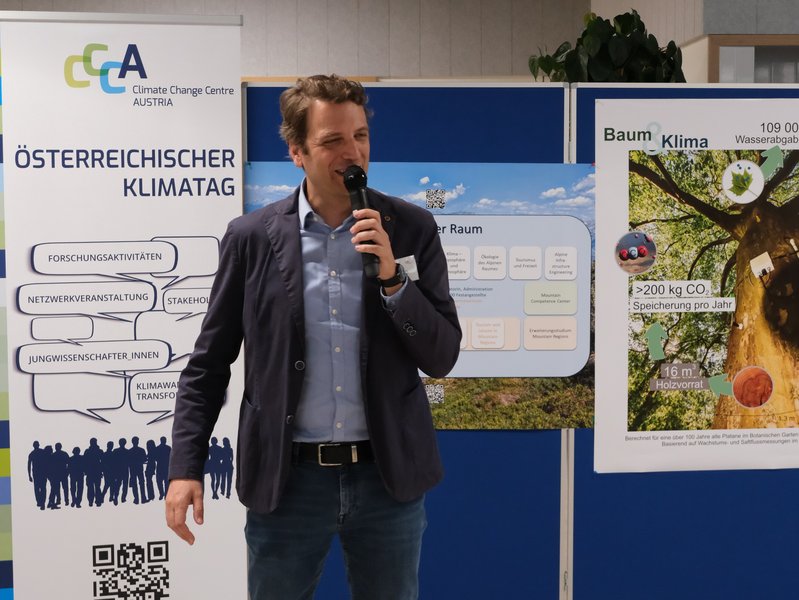
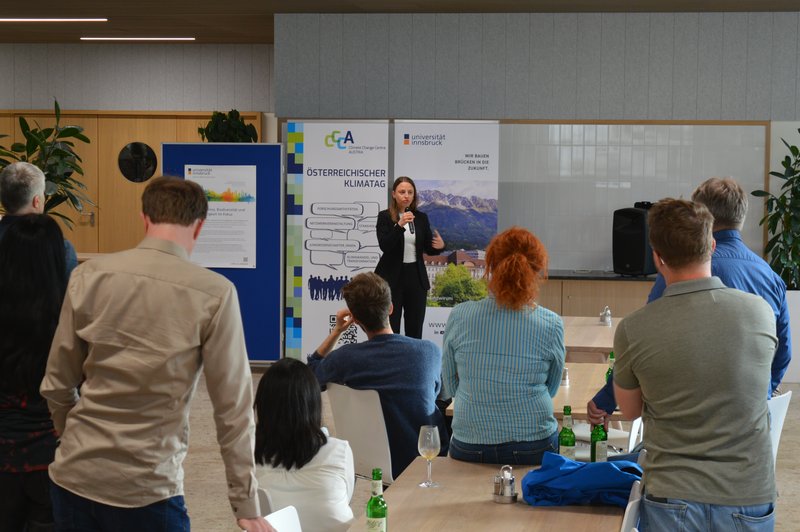
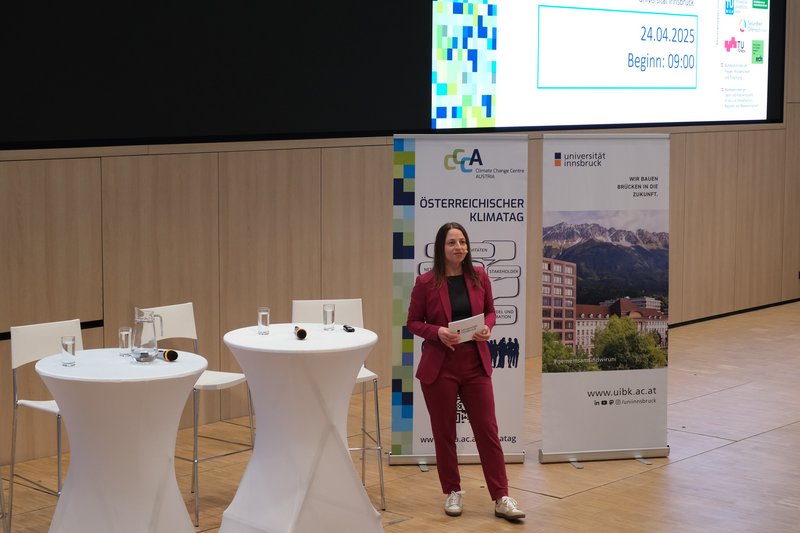
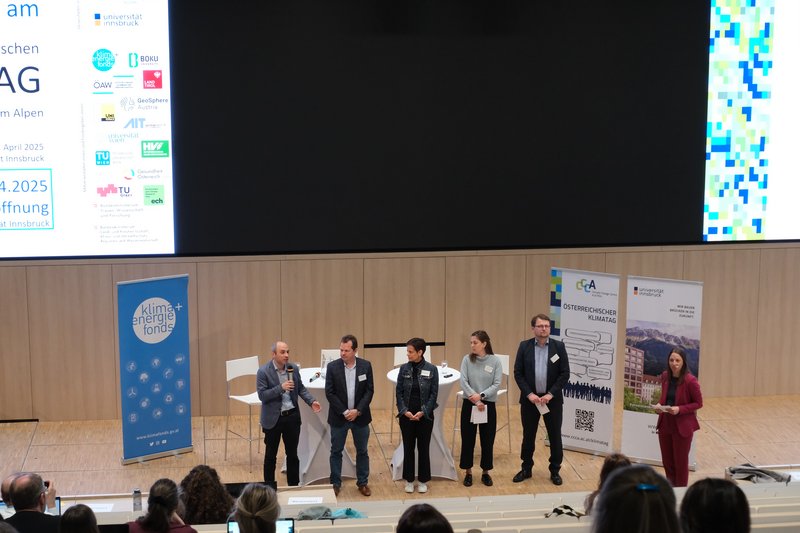
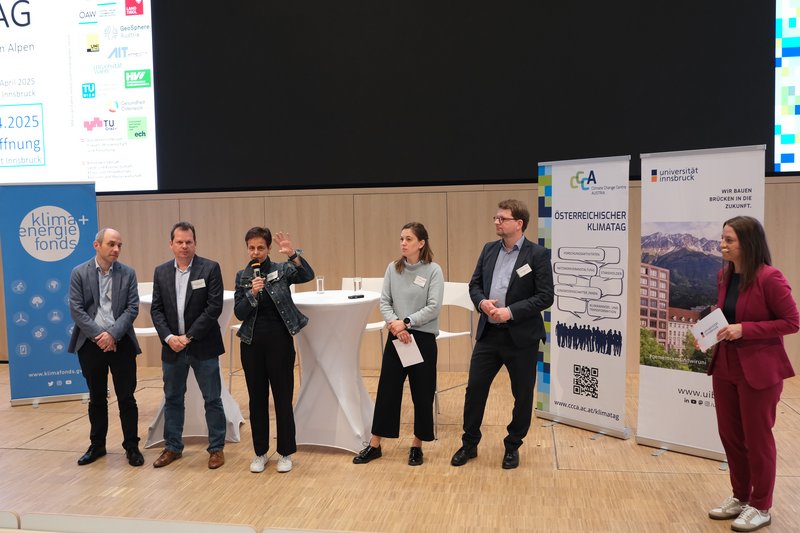
Thursday saw the official opening with representatives of the organisers and funding bodies. Joining Harald Rieder (CCCA Chair) and Irene Häntschel-Erhart (Vice-Rector, UIBK) on stage were Gernot Wörther (Deputy Managing Director, Klima- & Energiefonds), Jakob Wiesbauer-Lenz (BMLUK) and Katarina Stefaner (BMFWF).
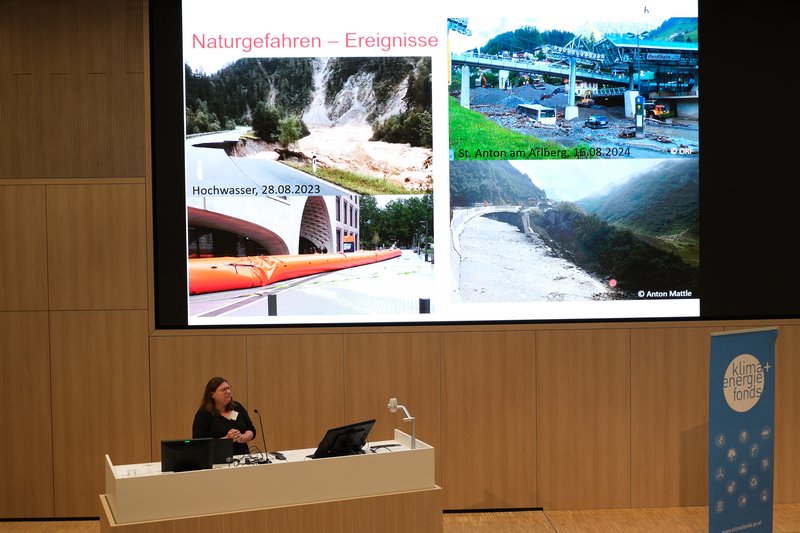
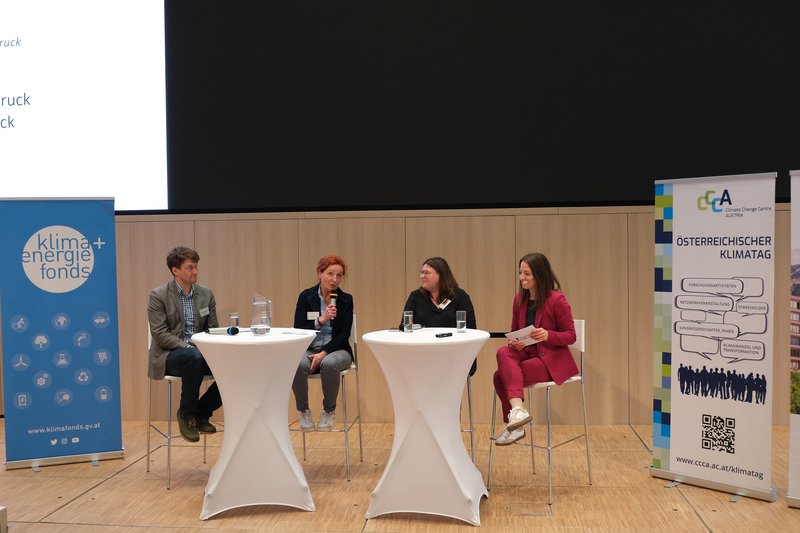
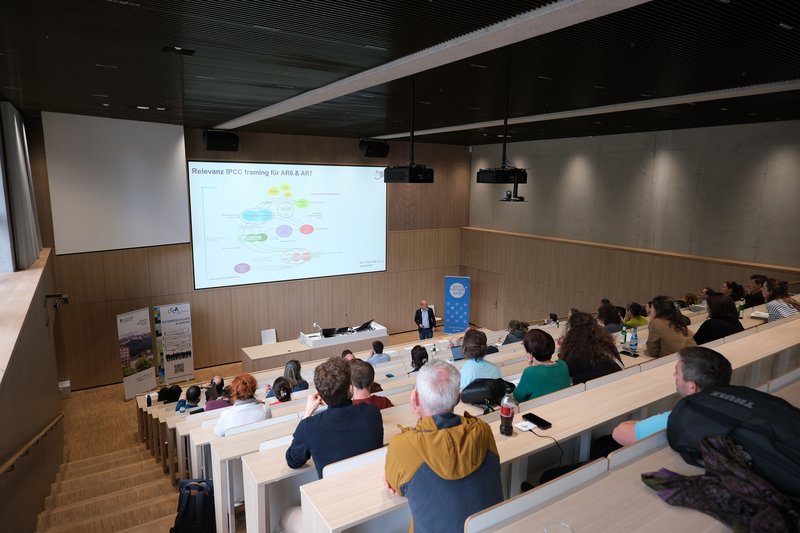
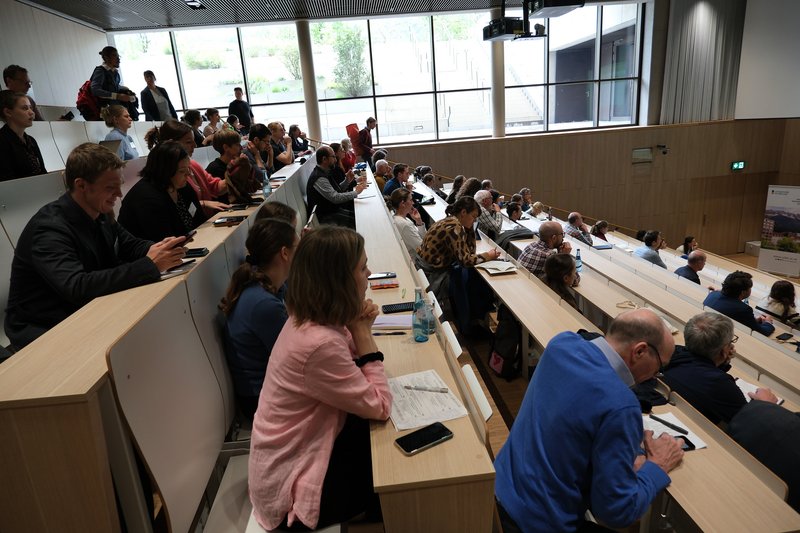
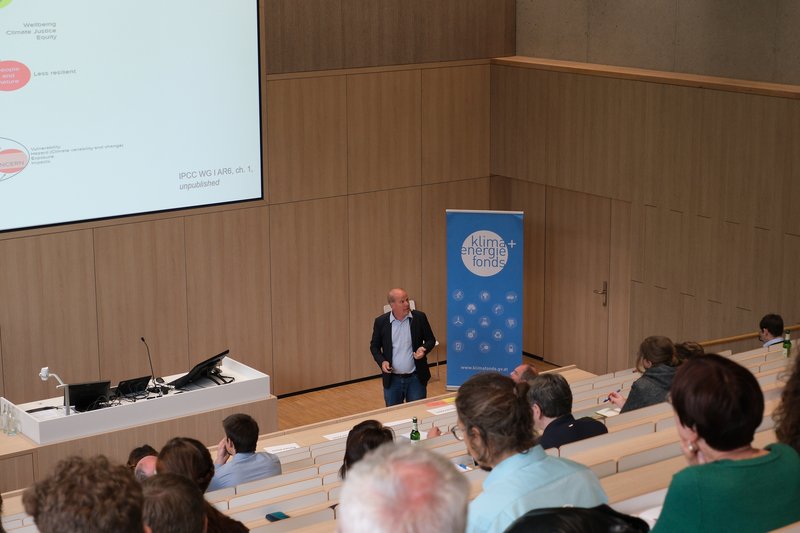
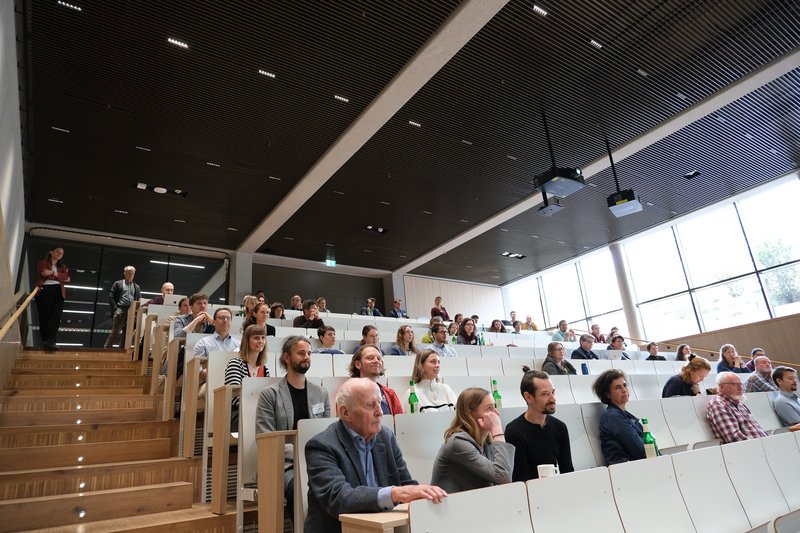
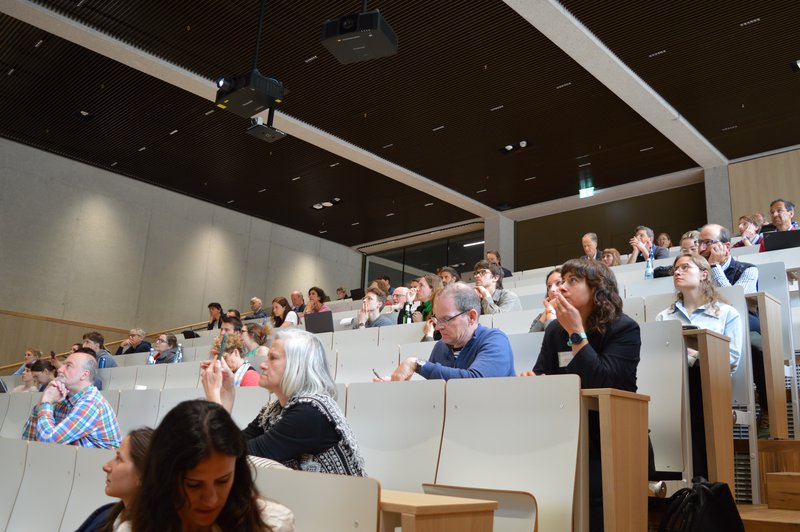
This was followed by the keynote by Margreth Keiler (University of Innsbruck) entitled "Climate Change, Risk and Resilience – Key Challenges for the Alps as a Living and Economic Space" (here you can find the recording of the keynote). It became clear that the Alpine region is particularly hard hit by climate change – for instance through increasing natural hazards, changes in water balance, and challenges for tourism, agriculture, and infrastructure. At the same time, Keiler highlighted the importance of strategically planned adaptation and an interdisciplinary approach to building resilience. The subsequent panel discussion on the theme "A Great View, an Uncertain Future? How the Alpine Region Can Balance Natural Idyll, Economic Space, and Climate Resilience" saw Daniel Huppmann (IIASA), Margreth Keiler (University of Innsbruck), and Christine Schermer (City of Innsbruck) discuss how the Alpine region can be made climate-resilient without losing its ecological, social, and economic qualities. The panel discussion emphasised that a climate-resilient future in the Alpine region is only possible through close collaboration between science, policy, public administration, business, and civil society. For science to contribute effectively to transformation, stable structures for transdisciplinary exchange are needed – and these are currently largely lacking. Accordingly, calls were made to university leaderships and ministries to do more to support such activities, including in terms of scientific careers. At the same time, the central role of citizen participation became evident: in many cases, public awareness of the necessity and acceptance of climate action is far more developed than previously assumed. To implement effective measures, all social groups must be actively involved and different perspectives taken into account – because the climate crisis can only be tackled together.
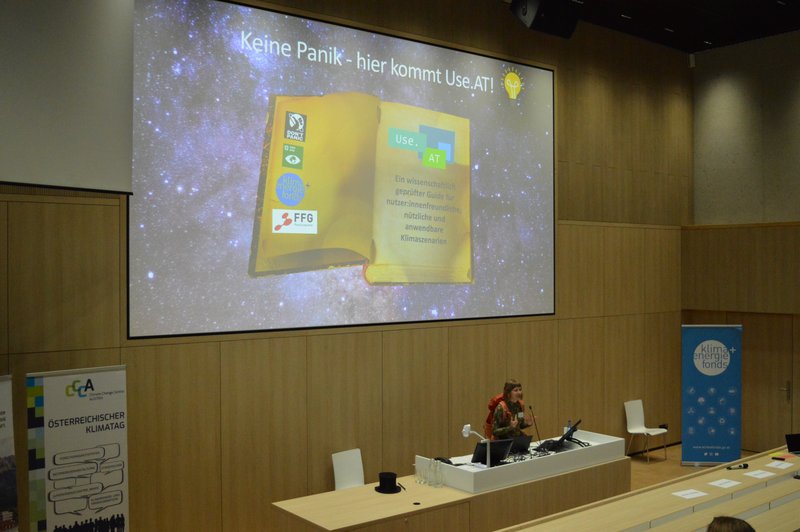
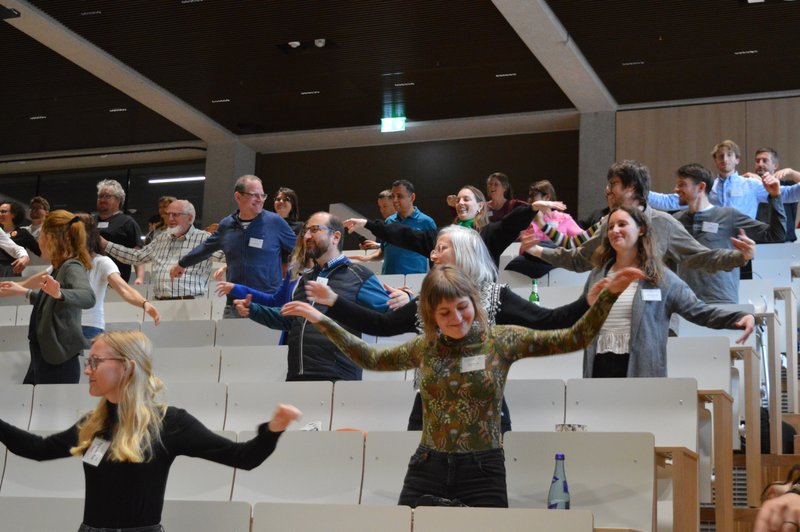
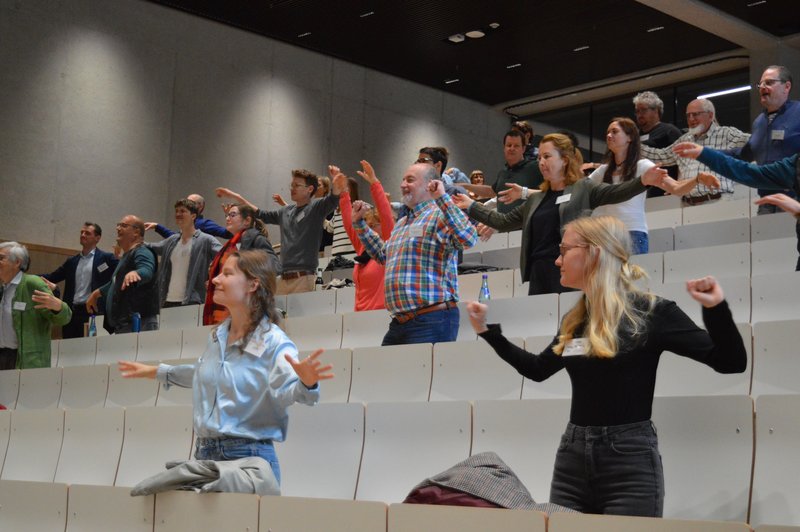
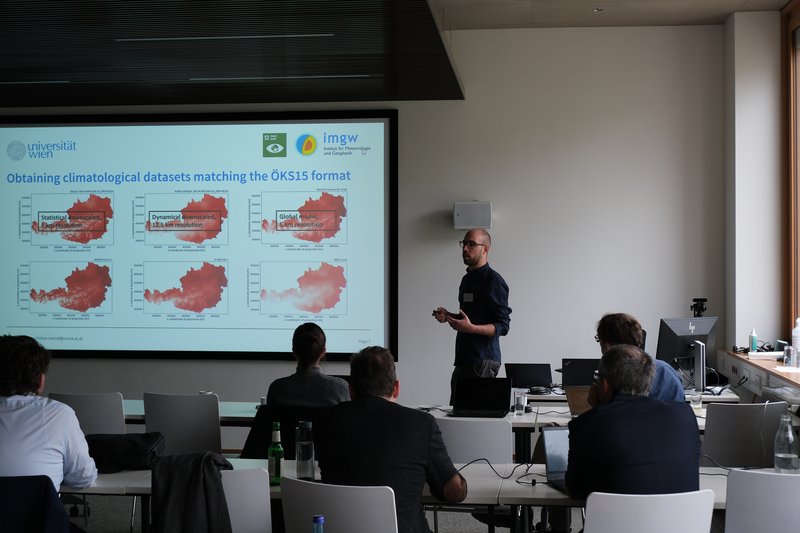
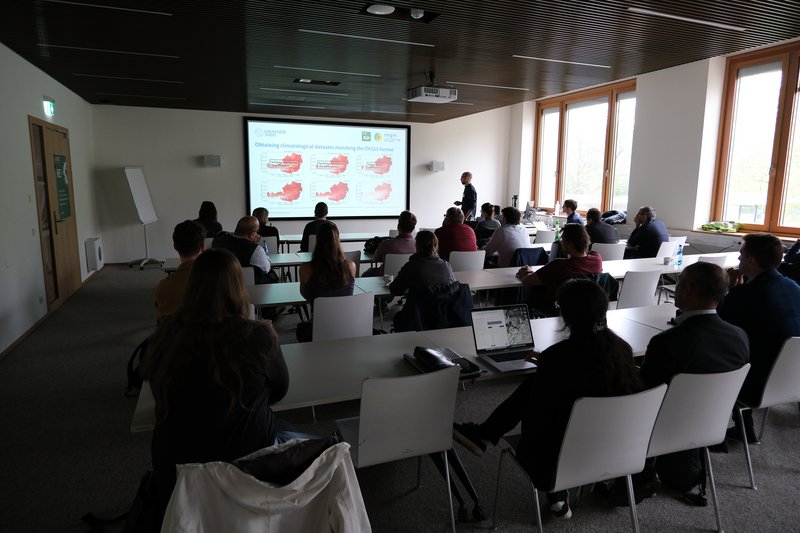
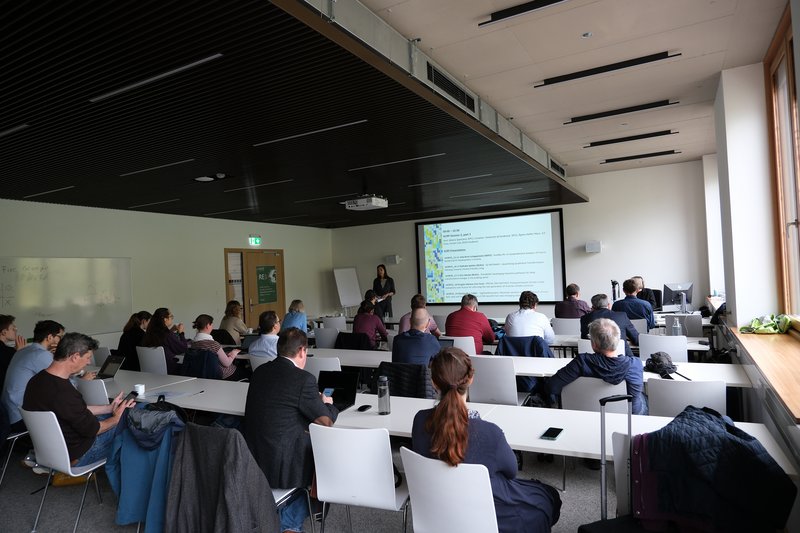
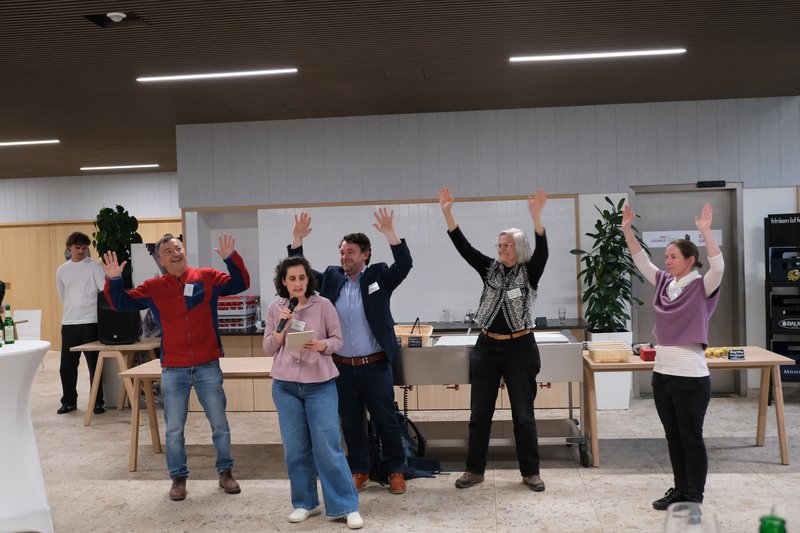
The well-established scientific sessions focused on the following themes: "Climate Modelling & Climate Impacts", "Resource Availability & Use", "Science & Society", and "People & Climate". Each session featured around five presentations. This year also saw the second edition of an innovative session designed to provide space for creative presentations that deliberately moved away from the classic lecture format. The selected contributions stood out through innovative elements such as role play, storytelling, and science slam, as well as creative visualisations in the form of stories with images and props. These formats helped to bring the scientific exchange to life. For the first time, a scientific session also included a short energiser to encourage participants to get moving together during a long conference day.
The well-established ACRP sessions were once again very well received. In this context, 22 current projects underwent the rigorous quality assurance process of the Austrian Climate Research Programme (ACRP). Review by the ACRP Steering Committee ensured a sound scientific assessment and underlined the high professional standard of the submitted projects.
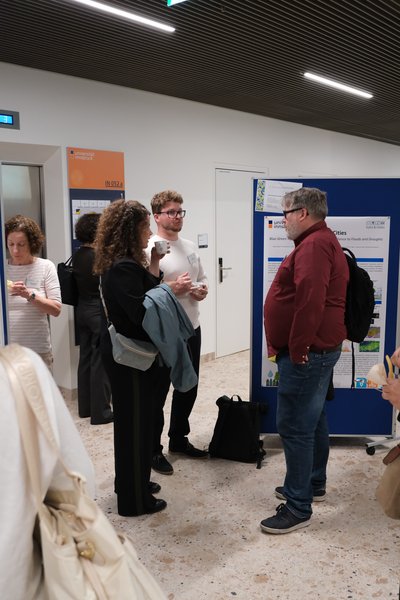
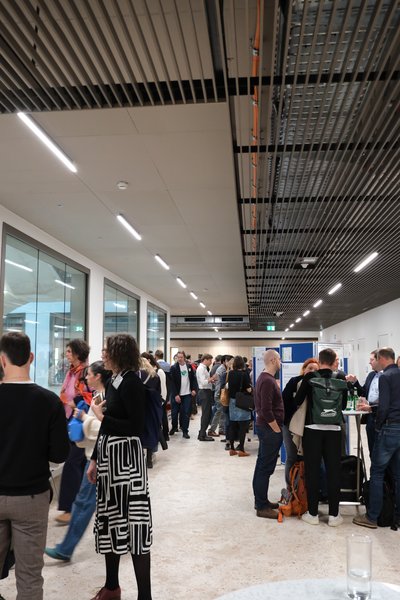
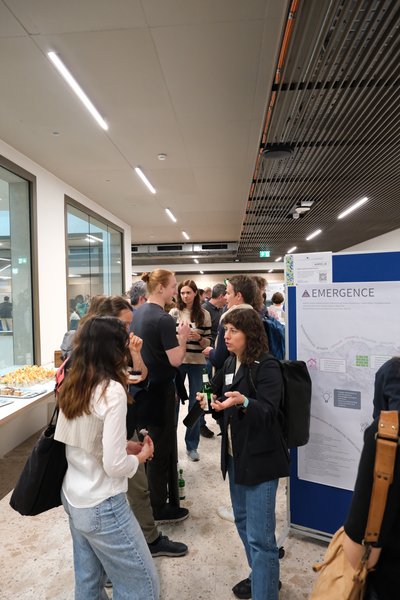
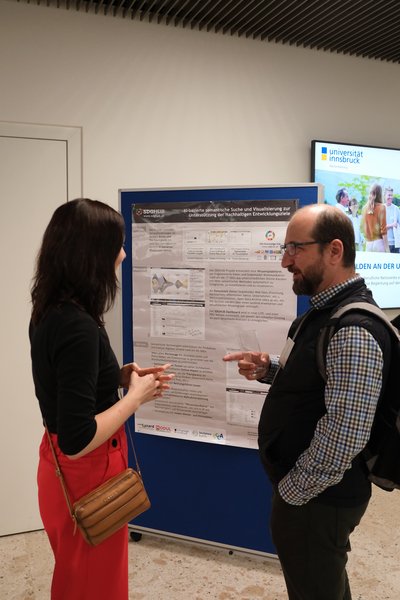
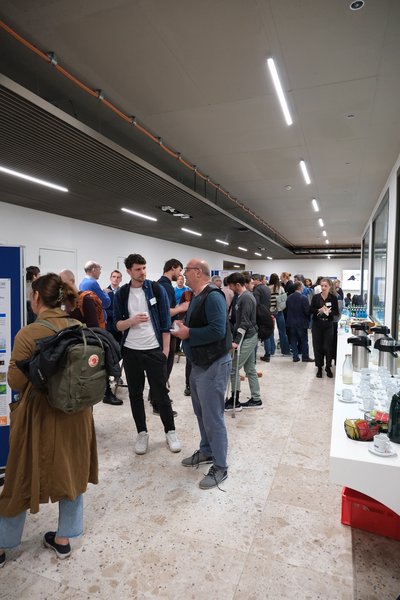
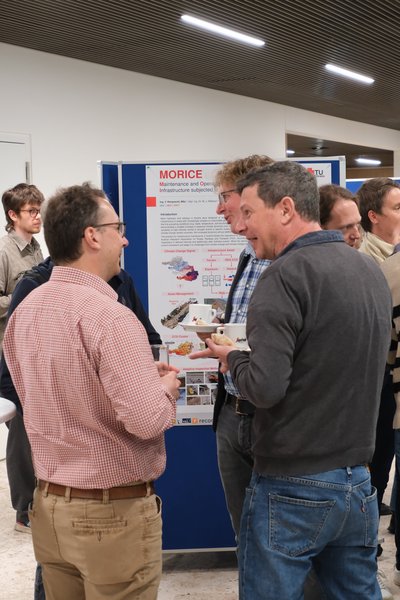
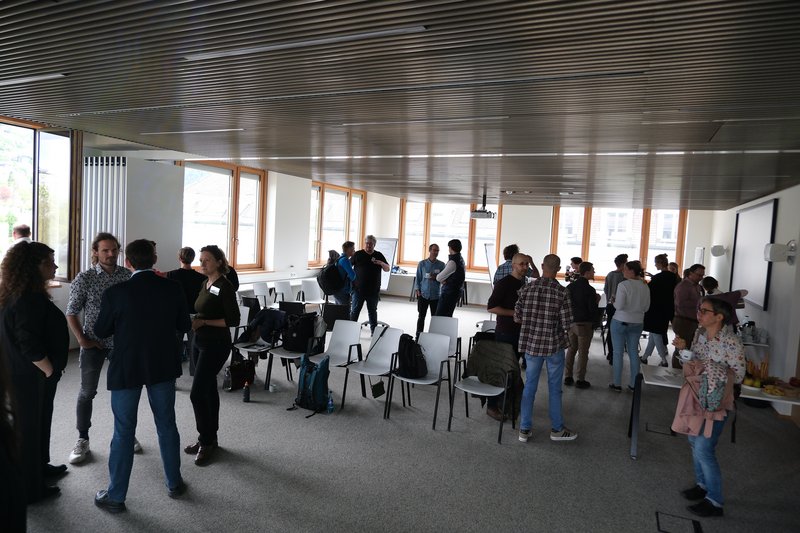
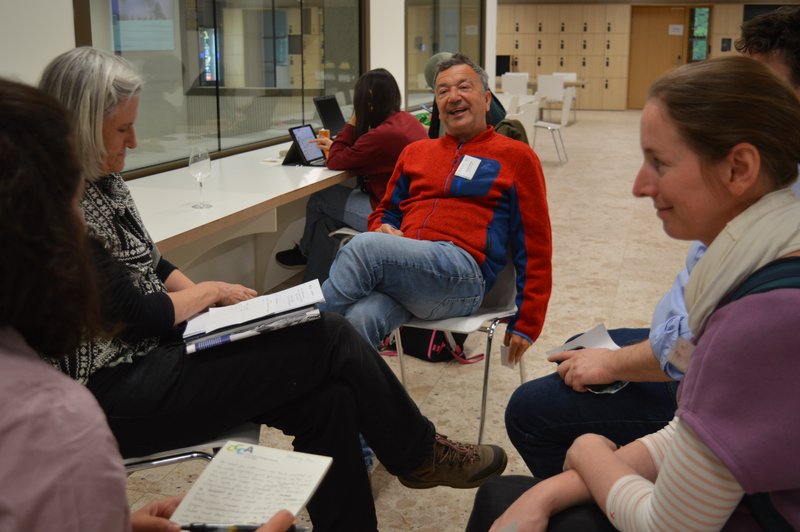
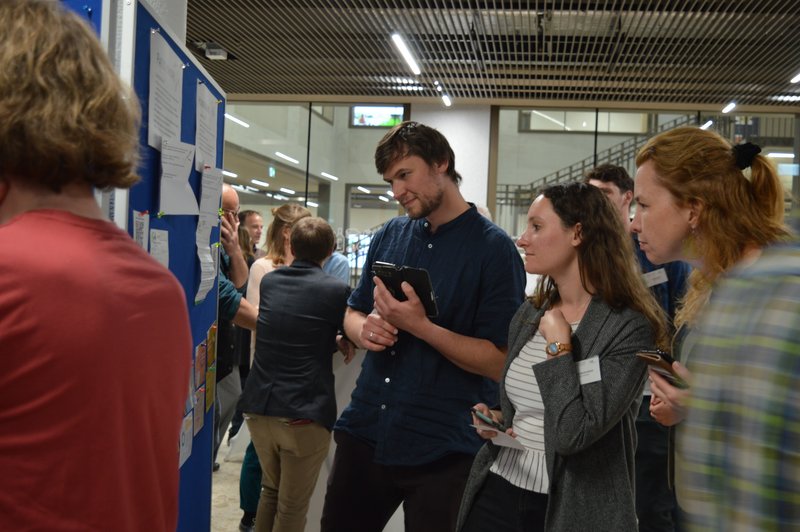
During the breaks, the poster talks on 24 and 25 April 2025 provided an opportunity for exchange around the scientific posters. Participants were able to network with the presenting researchers in a relaxed atmosphere and engage in in-depth conversations about the posters on display.
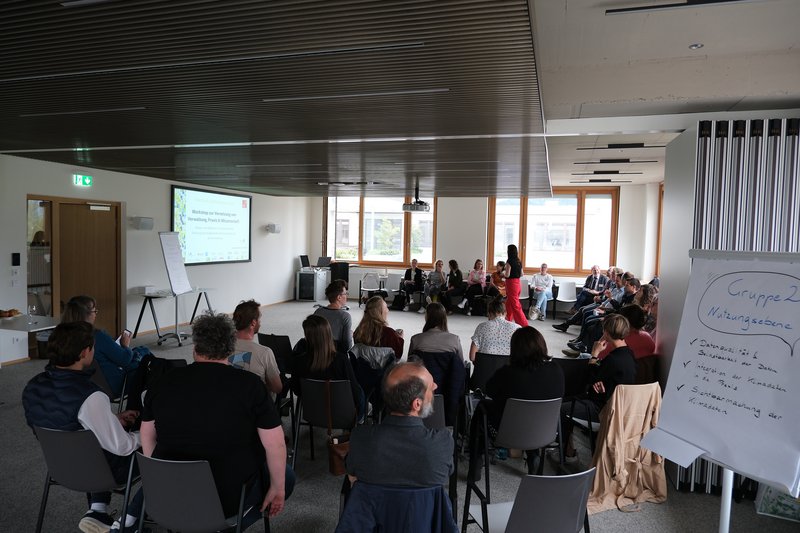
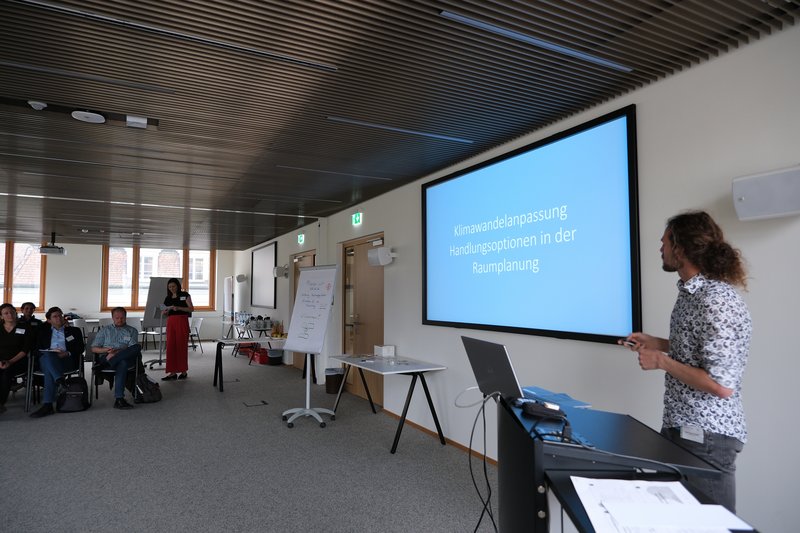
As part of the workshop between science and public administration on the theme "Planning with Foresight: Practice-Oriented Use of High-Resolution Climate Analyses for Public Administration", the State of Tyrol and CCCA invited participants to exchange views on the practical use of high-resolution climate analyses in public administration. Four keynote inputs provided valuable insights and formed the basis for a lively discussion, during which a vibrant exchange developed between representatives from public administration and science. Not only were important thematic impulses provided, but new contacts were made and cross-sectoral collaboration was strengthened.
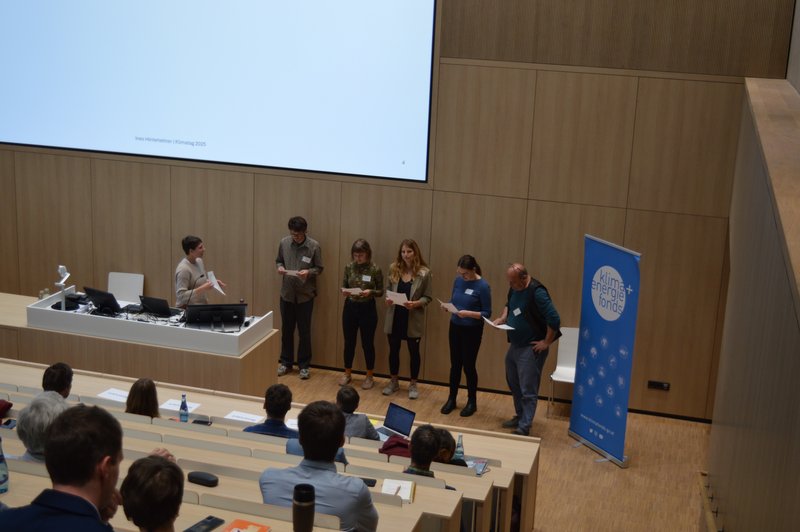
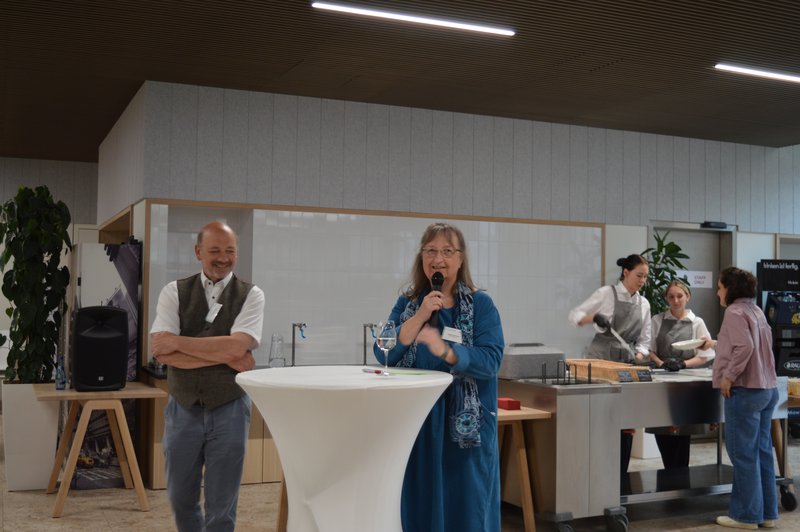
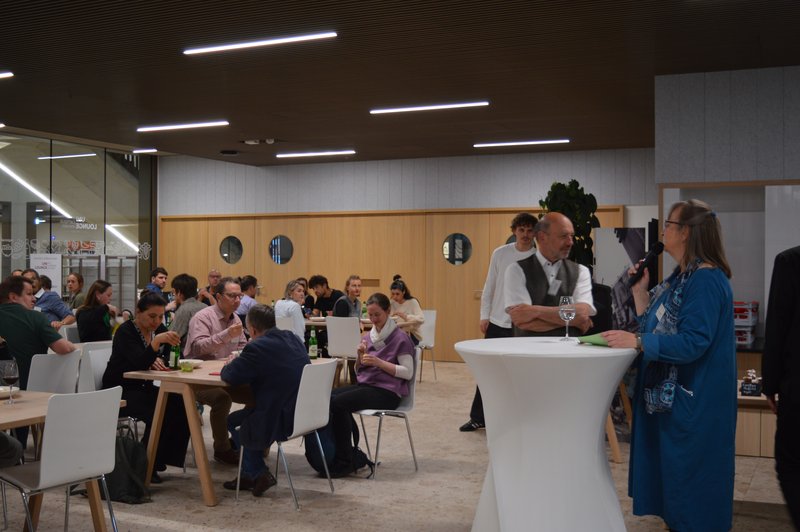
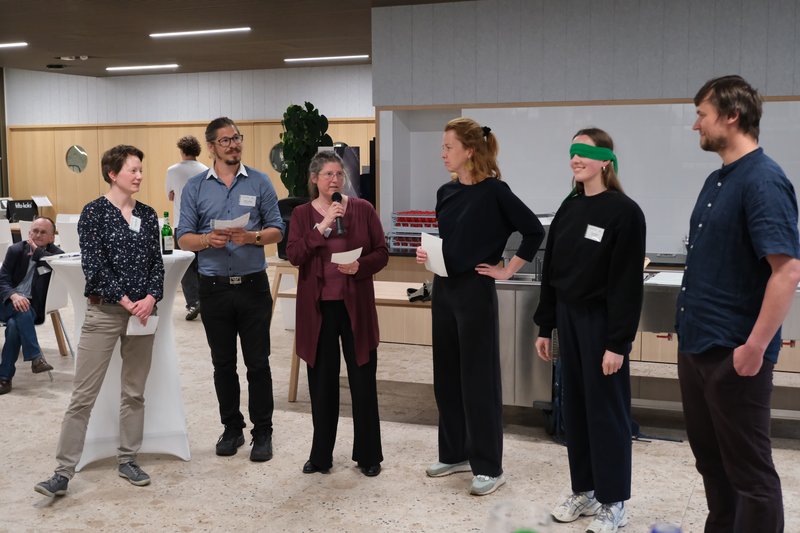
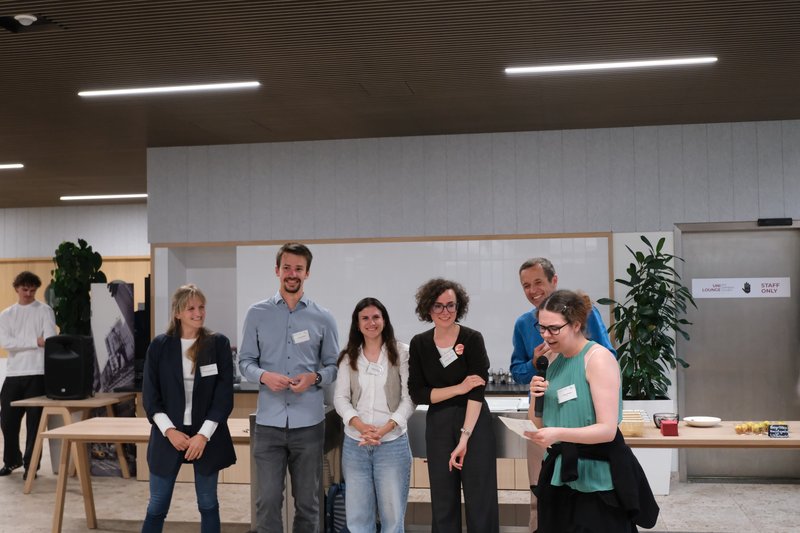
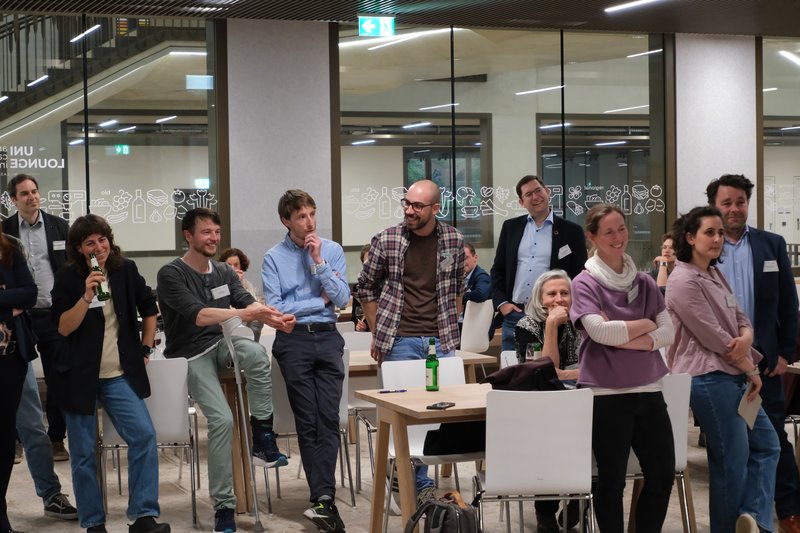
On the evening of 24 April, the evening event took place, which was also organised in cooperation with the State of Tyrol. Participants were not only able to wind down the conference day with a convivial dinner, but also to take on a creative challenge. The result was five exciting and amusing stories, which were performed to the audience.
The media also showed interest in the Climate Day: press representatives were on site, and ORF even published a detailed article about the event – to the ORF article.
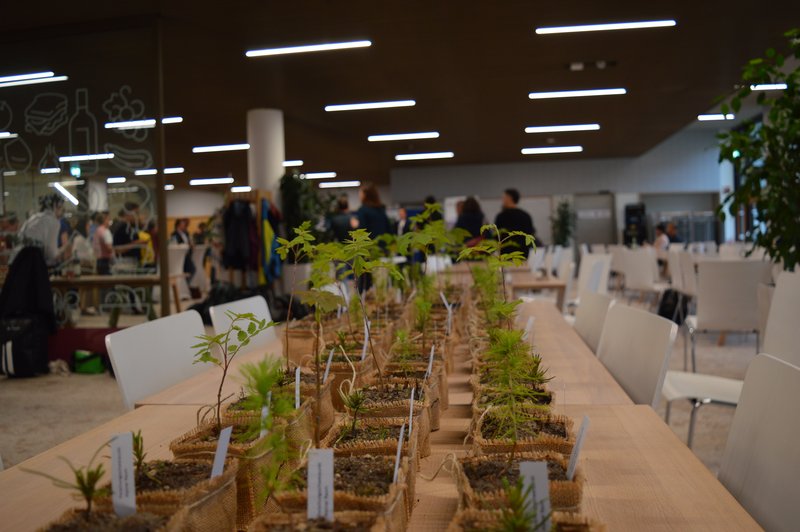
Particularly pleasing was the positive feedback from participants regarding the organisation and atmosphere of the Climate Day. The event was also certified as a "Green Meeting" and the travel emissions of all participants were offset in terms of CO2. The BOKU Competence Centre for Climate Neutrality was selected as the partner for the offsetting. The offset contribution will be used as part of the Green Seed project.
The 25th Austrian Climate Day was made possible by the invaluable support of numerous institutions. Special thanks go to the Klima- und Energiefonds, the Federal Ministry for Women, Science and Research (BMFWF), and the Federal Ministry for Agriculture, Forestry, Climate and Environmental Protection, Regions and Water Management (BMLUK). We also thank all participants for their engaged contributions and stimulating discussions. We very much look forward to welcoming you again at the 26th Climate Day at the University of Vienna from Wednesday, 8 April to Friday, 10 April 2026!
Below you'll find impressions from the individual programme items. Photo rights belong to CCCA.
- CCCA Awards
- Climate Walk
- Icebreaker hosted by Uni Innsbruck
- Opening, Keynote and Panel Discussion
- Scientific Sessions
- ACRP Sessions
- Poster Sessions and Breaks
- Workshop on Networking between Public Administration and Science in Cooperation with the State of Tyrol
- Evening Event in Cooperation with the State of Tyrol
- Supporters of the 25th Austrian Climate Day
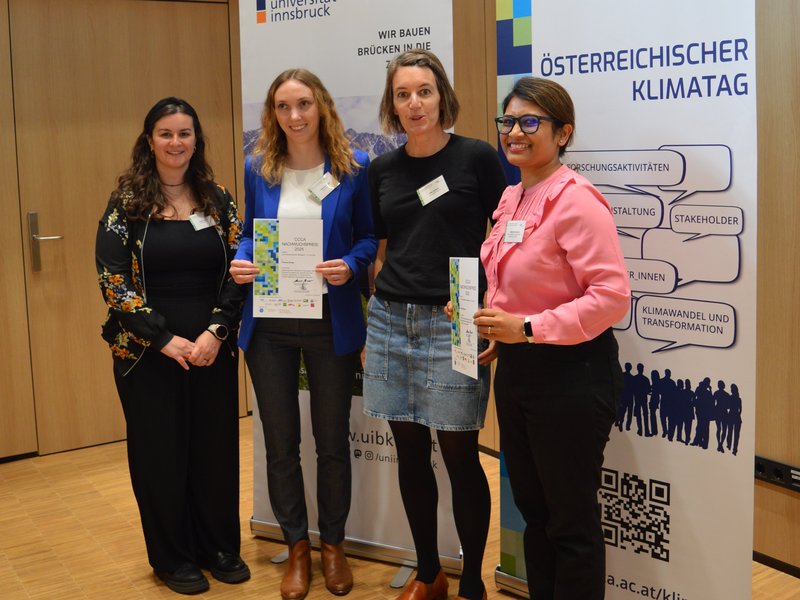
CCCA Awards
The CCCA Early Career Award for 2025 was presented to two outstanding early-career researchers, whose contributions were distinguished by their scientific depth and high relevance to climate research:
- Monica Barman (University of Salzburg, Leibniz Institute of Vegetable and Ornamental Crops) for the paper:
„Effects of drought stress on male and female flowers and pollinator visits in Styrian oil pumpkin plants" - Theresa Boiger (University of Graz) for the paper:
„Optimizing the Utilization of Harvested Wood Products for Maximum Greenhouse Gas Emission Reduction in a Bioeconomy: A Multi-Objective Optimization Approach"
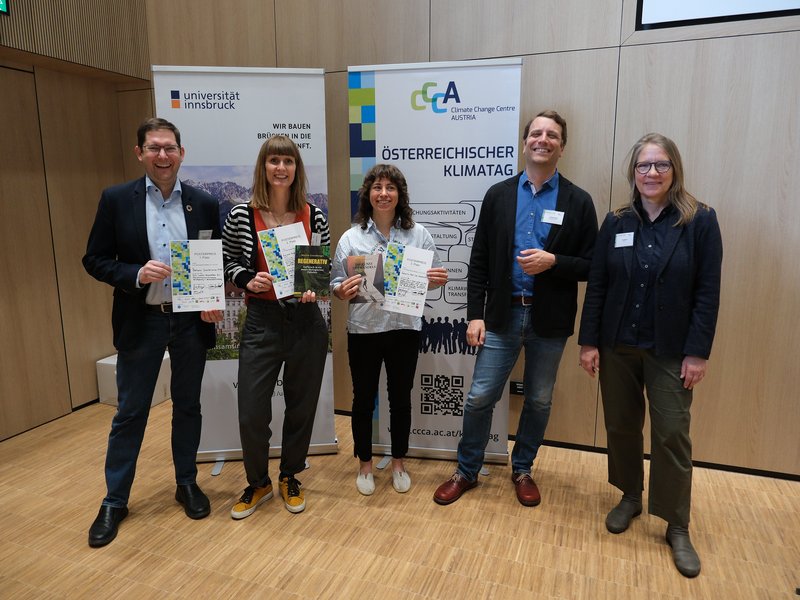
The CCCA Poster Awards were once again a firm fixture of the conference this year. All participants were able to rate the displayed posters throughout the event. On this basis, a jury consisting of Ina Meyer (WIFO), Lorenzo Rieg (University of Innsbruck) and Simon Tschannett (Weatherpark & CCCA Board), selected the best submissions.
The following posters were voted into the top three places:
- Place: P11 Barbara Steinbrunner (TU Wien): Soil-Walks: Bewusstsein für Flächeninanspruchnahme, Versiegelung und Innenentwicklung
- Place: P09 Marianne Bügelmayer-Blaschek (AIT): KNOWING how to deal with climate change - Storytelling für mehr Bewusstsein und Empowerment
- Place: P04 Katharina Pöll (University of Innsbruck): If you saw a heat wave at the beach, would you wave back? Estimating impacts of climate change on tourism demand in the Mediterranean
Climate Walk
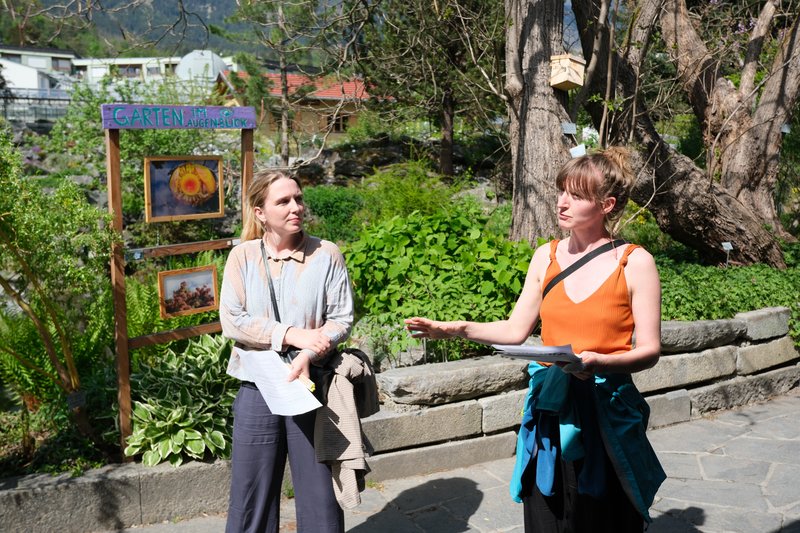
Climate Walks / city walks / excursions are a transdisciplinary format for exploring solutions to the climate crisis together with stakeholders from society. A Climate Walk creates new perspectives and lets participants experience challenges (e.g. heat stress) and best practices (e.g. green-blue infrastructure or shared zones) first-hand. Local expert contributors provided background and context during the Climate Walk Innsbruck.
Opening, Keynote "Climate Change, Risk and Resilience: Challenges for the Alpine Living and Economic Space" and Panel Discussion "A Lovely View, an Uncertain Future? How the Alpine Region Can Balance Natural Idyll, Economic Space and Climate Resilience."



Organisers


Co-organisers and Funding Bodies



![Logo: [Translate to English:] Logo: AIT](/fileadmin/_processed_/3/8/csm_ait_b343ccb25f.png "[Translate to English:] Logo: AIT")
![Logo: [Translate to English:] Logo: BOKU](/fileadmin/_processed_/3/c/csm_BokuLogo_d8f54ef28a.png "[Translate to English:] Logo: BOKU")


![Logo: [Translate to English:] Logo: Österreichische Hagelversicherung](/fileadmin/_processed_/4/7/csm_AT_HV_Logo_Kasten_RGB_2db867ca06.png "[Translate to English:] Logo: Österreichische Hagelversicherung")


![Logo: [Translate to English:] Logo: TU Graz](/fileadmin/user_upload/TUG.png "[Translate to English:] Logo: TU Graz")
![Logo: [Translate to English:] Logo: TU Wien](/fileadmin/_processed_/f/7/csm_tuw_77172a8b2a.png "[Translate to English:] Logo: TU Wien")
![Logo: [Translate to English:] Logo: Universität Graz](/fileadmin/_processed_/b/6/csm_unigr_85d020f7be.jpg "[Translate to English:] Logo: Universität Graz")
![Logo: [Translate to English:] Logo: Universität Wien](/fileadmin/_processed_/5/d/csm_uniwien_2_32bad085f6.jpg "[Translate to English:] Logo: Universität Wien")
![Logo: [Translate to English:] Logo: Environment and Climate Research Hub](/fileadmin/_processed_/d/d/csm_ech_d980d58535.jpg "[Translate to English:] Logo: Environment and Climate Research Hub")