

Small wins, many open questions
A report by Sarah Siemers (BOKU)
At COP26 in Glasgow in 2021, the nearly 200 participating countries agreed to set new emissions reduction targets at national level. In addition, global warming was to be limited to less than 1.5 °C. The final agreement mentioned the further expansion of renewable energies, a phase-out of coal, and the elimination of subsidies for fossil fuels. There were also pledges to double climate change adaptation financing to 40 billion dollars and to halt further deforestation. However, Russia's war in Ukraine, the global energy and food crisis, and the ongoing COVID-19 pandemic have been a major distraction from actually advancing climate protection measures to the necessary extent.
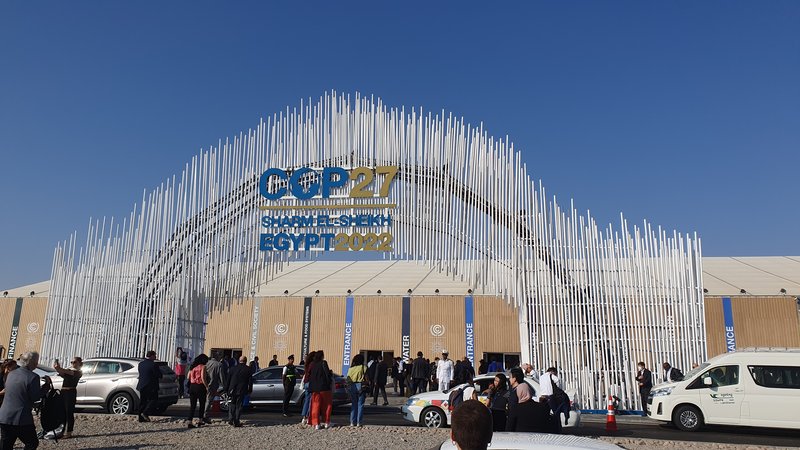
Expectations for this year's 27th UN Climate Conference in Sharm el-Sheikh, Egypt, were correspondingly very muted. This was also due to the fact that some NGOs boycotted the conference and refused to participate. On one hand, they argued that no meaningful progress on climate protection could be achieved in a country where freedom of political expression is not guaranteed and several climate activists had already been arrested in the lead-up to the event. On the other hand, they perceived the COP under Egypt's presidency as a greenwashing exercise. For instance, day trips by plane to Cairo or Luxor were offered on the host country's official COP website. COP27 also recorded the highest proportion of representatives from the oil and gas industry to date.
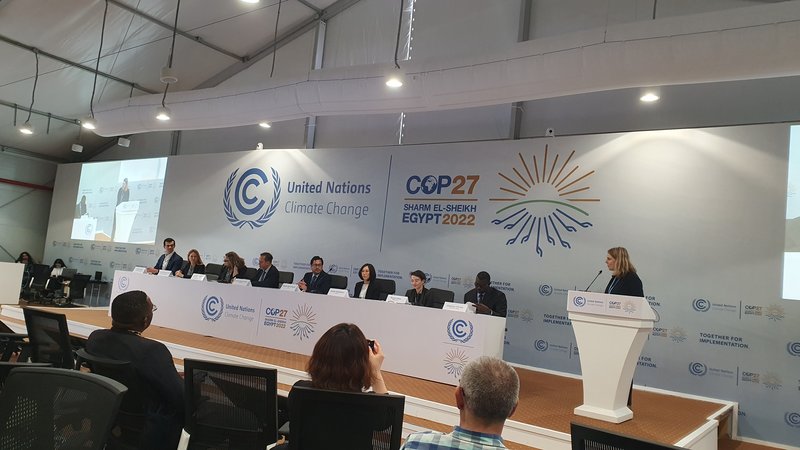
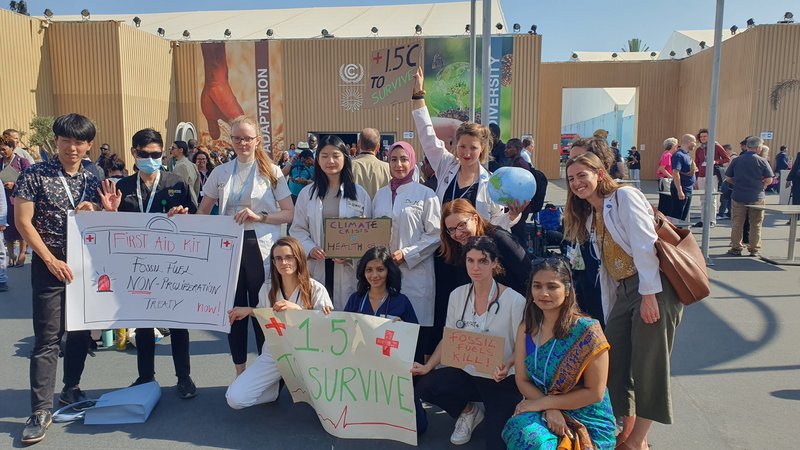
By the scheduled end of negotiations last Friday, 18 November, no agreement was yet in sight, and for a long time it was unclear whether a final document would actually be adopted. After the last plenary session on Sunday morning, the outcome of the negotiations was rather underwhelming. Observers are particularly critical of the lack of concessions towards an early phase-out of fossil fuels — the agreements in this regard did not go beyond the promises of the Glasgow Climate Pact. Alongside renewable energies, other "low-emission" energy sources were also named as energy sources of the future, creating yet another loophole for the development of new fossil fuels. The submission of new and more ambitious nationally determined contributions (NDCs) was also pushed back by yet another year.
There was, however, one success to note, particularly for low- and middle-income countries. After 30 years, they reached an agreement on a new "Loss and Damage" fund, which is intended to help them cover the costs of the impacts of the climate crisis. Through this mechanism for climate justice, the countries responsible will now at least partially take on financial responsibility for the climate damage they have caused through their emissions. In practice, however, many questions remain open. It is still unclear who will contribute what and when, and who exactly is meant to benefit. In theory, though, it is a big step in the right direction.
Even if no groundbreaking result could be celebrated at COP27, the process of the UN Framework Convention on Climate Change is important for keeping the attention of the media and political decision-makers focused on the gaps between the necessary measures and the commitments made so far. The COP also provides a mechanism that allows for collective action despite political divergences — not only during the two weeks of the summit itself, but also throughout the rest of the year before countries are once again held to account.