Review & Impressions

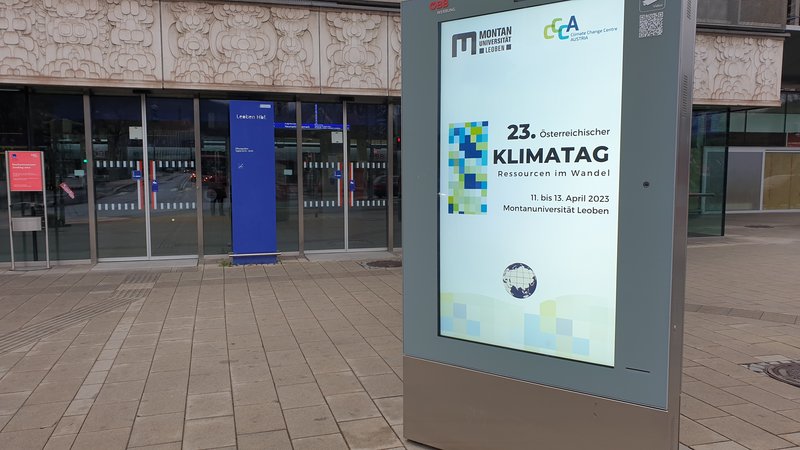
23rd Austrian Climate Day with the motto "Resources in Transition"
11–13 April 2023, Montanuniversität Leoben

Back in 2020, the Climate Day was originally planned as an in-person event at the Montanuniversität Leoben (MUL) under the motto "Clash of Cultures? Climate Research Meets Industry!" — but it had to be cancelled due to the COVID-19 pandemic. Three years later, the 23rd Austrian Climate Day was finally able to revive that Clash of Cultures from 11 to 13 April 2023 at MUL. This year, the motto of the 23rd Climate Day — "Resources in Transition" — aimed to bring sustainable resource use into the interdisciplinary discourse of the Climate Day.

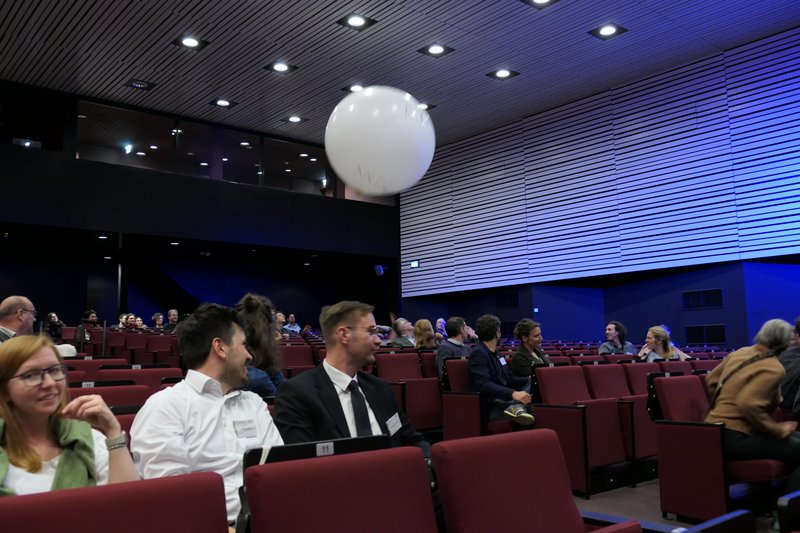
Around 210 participants from academia, research funding, politics and public administration, as well as other interested parties gathered in the industrial city of Leoben to engage with the core themes of MUL, which are also currently dominating political and social debate. This year, media interest was particularly high (see press coverage of the Climate Day). In addition to print media, radio and television interviews also took place. Key thematic focuses during the conference included energy, raw materials and resources in the context of climate change. MUL provided the ideal setting for this: as one of the TU Austria universities, it combines technology with science and all areas of raw materials science, among other things. Sustainability research is also growing in importance, not least through the establishment of the Resources Innovation Center Leoben (ric-Leoben).

This year, MUL played host to the most important networking event of the Austrian climate research community, which was once again successfully certified as a Green Meeting.

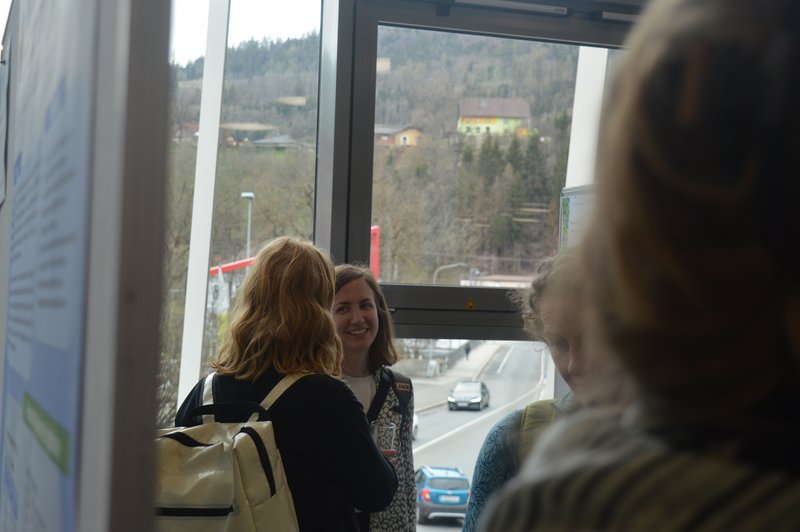
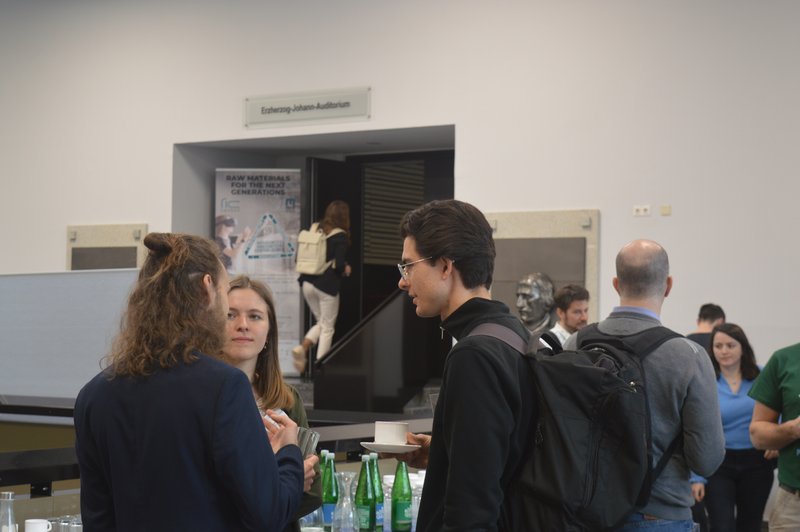
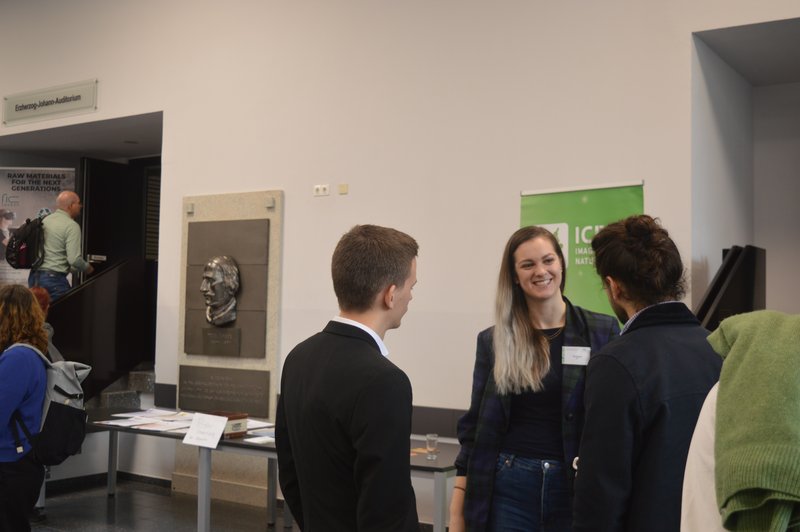
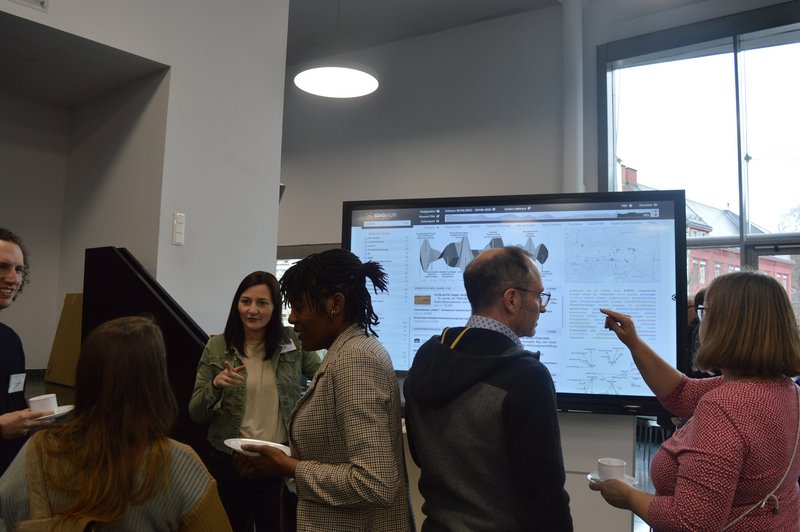
Photo rights belong to CCCA and the Montanuniversität Leoben. Below you'll find a detailed review of each programme item:

Opening, Keynote and Discussion

back to overview

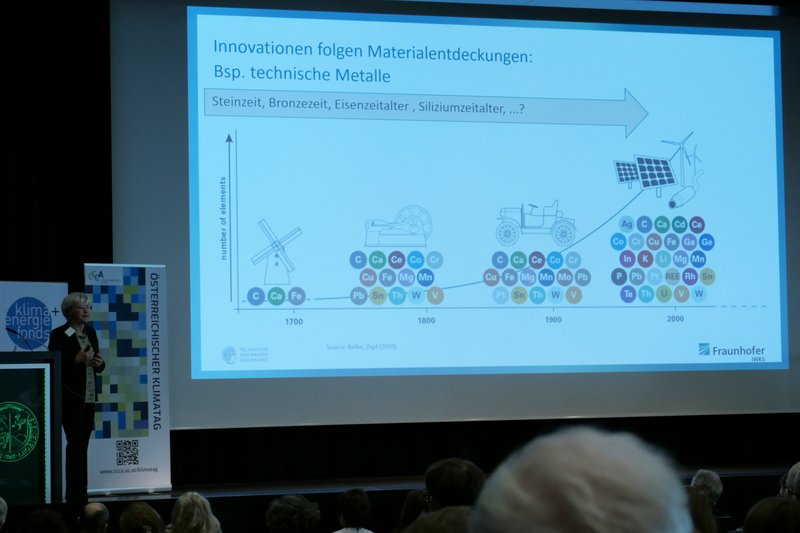
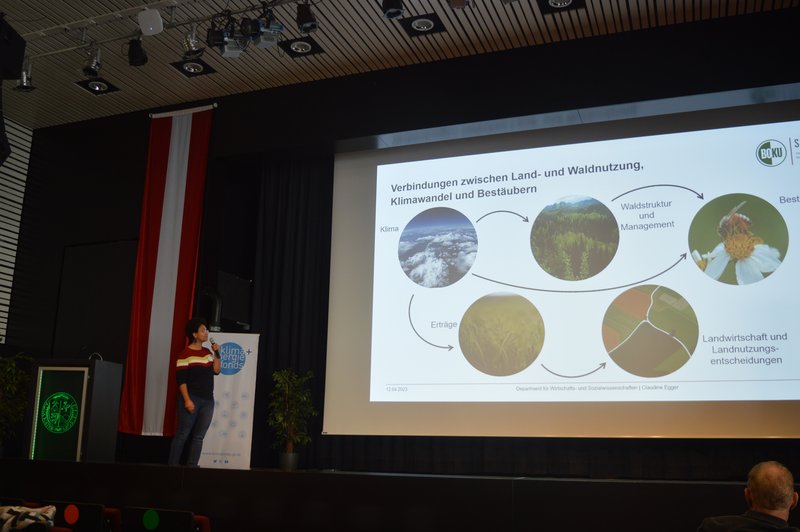
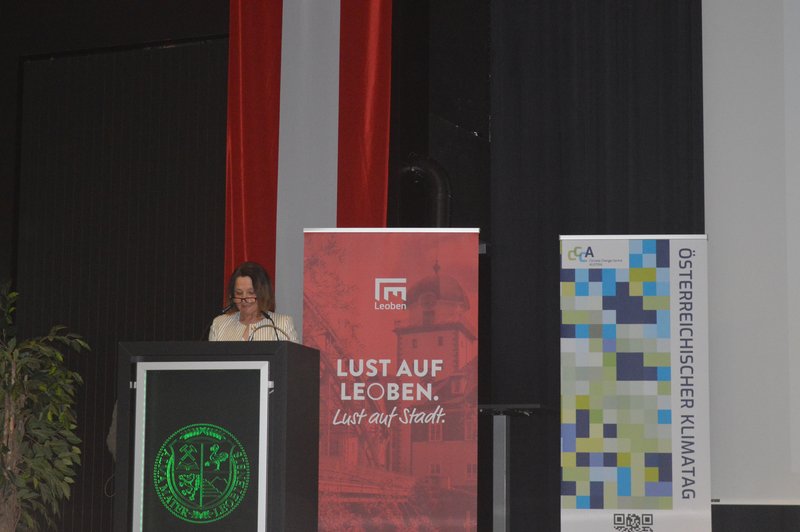
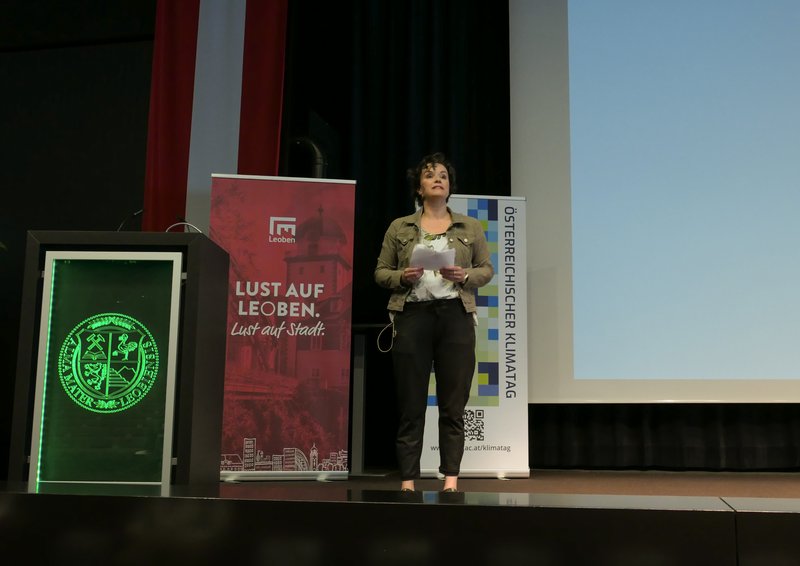
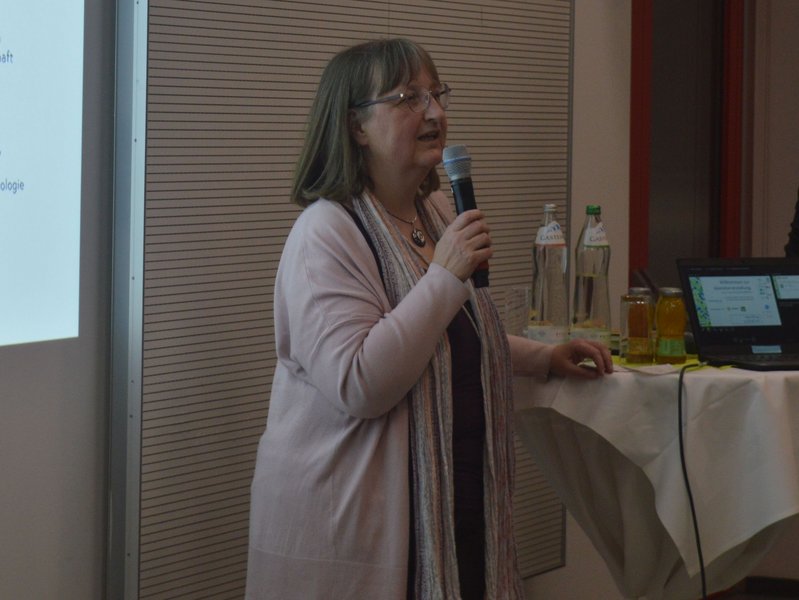
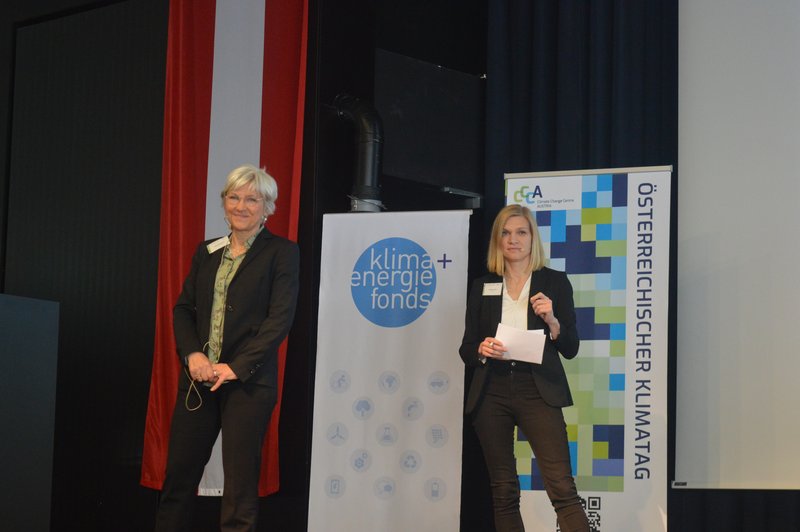
Following the official welcome remarks from Harald Rieder (CCCA Chair), Wilfried Eichlseder (Rector of MUL), Bernd Vogl (Managing Director of the Climate and Energy Fund), Karolina Begusch-Pfefferkorn (Head of Department at BMBWF), Helmut Hojesky (Head of Division at BMK) and Andrea Gössinger-Wieser (Climate Protection Coordinator of Styria), the keynote on the event motto took place on 12 April. Anke Weidenkaff, Professor of Materials Technology and Resource Management and member of the German Federal Government's Advisory Council on Global Environmental Change (WBGU), spoke, among other things, about materials for the energy transition and the recycling of fuel cells, providing the substantive foundation for the subsequent audience discussion, which brought the "Clash of Cultures" between different schools of thought into sharp focus and sparked lively debate. This once again highlighted the need for broad interdisciplinary exchange. The Climate Day is designed to provide exactly that kind of space — because successfully navigating the social, ecological and economic challenges and opportunities that climate change presents requires the cooperation and input of all disciplines. The discussions also confirmed that on the path to a sustainable future, social innovations — not just technical ones — are essential if we are to achieve a transformation in resource use.

You can find the opening slides HERE.

You can find the keynote slides HERE.

A recording of the opening, keynote and discussion can be found HERE. (c) Radio Freequenns, Werner Raggl

0:00 – 8:13: Opening by Katrin Brugger
8:13 – 29:43: Welcome remarks by Harald Rieder, Wilfried Eichlseder, Bernd Vogl, Karolina Begusch-Pfefferkorn, Helmut Hojesky and Andrea Gössinger-Wieser
29:44 – 1:35:00: Presentation by Prof. Anke Weidenkaff + discussion
1:35:20: 2 questions for Prof. Anke Weidenkaff

Scientific Sessions & ACRP Sessions

back to overview

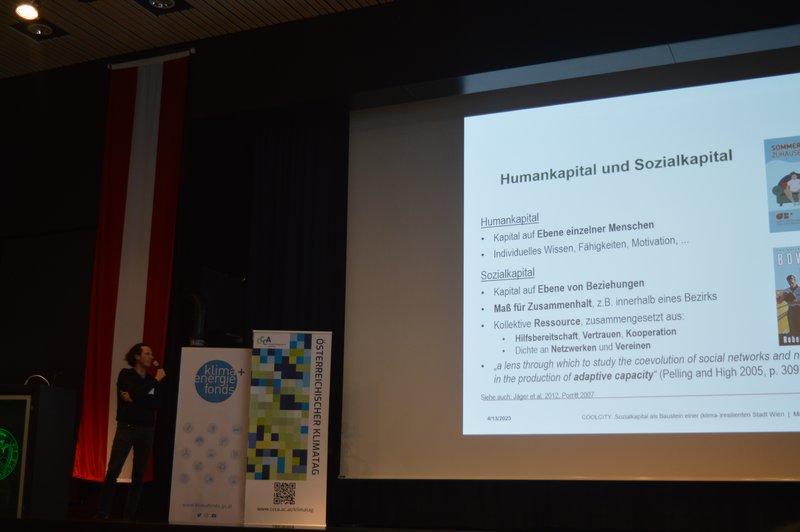
Alongside the five scientific sessions Mitigation, Land & People, Impacts & Observations, Mobility & Infrastructure and Transformation, ACRP research activities funded by the Climate and Energy Fund were once again presented on 12 & 13 April in ACRP Session 1 and ACRP Session 2 in the presence of the ACRP Steering Committee, in order to ensure quality assurance of the projects.

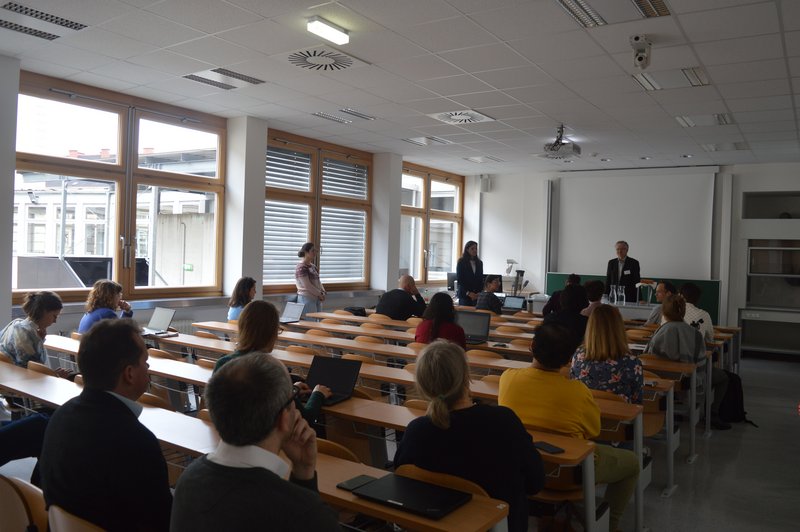
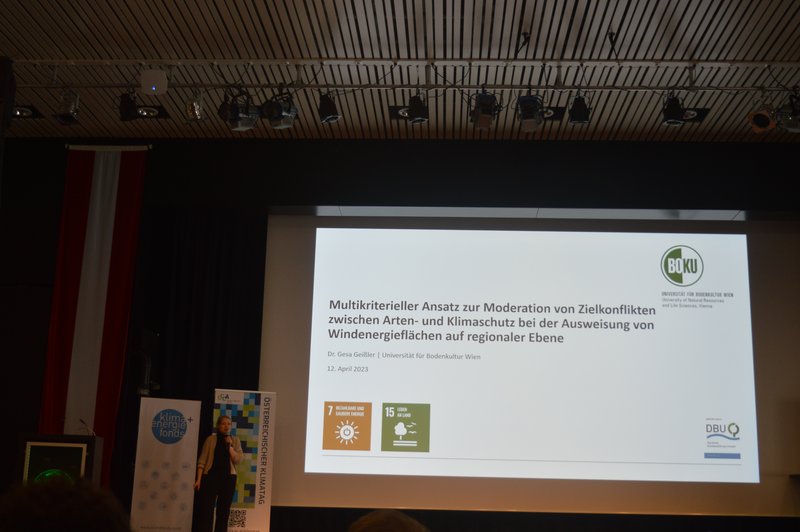
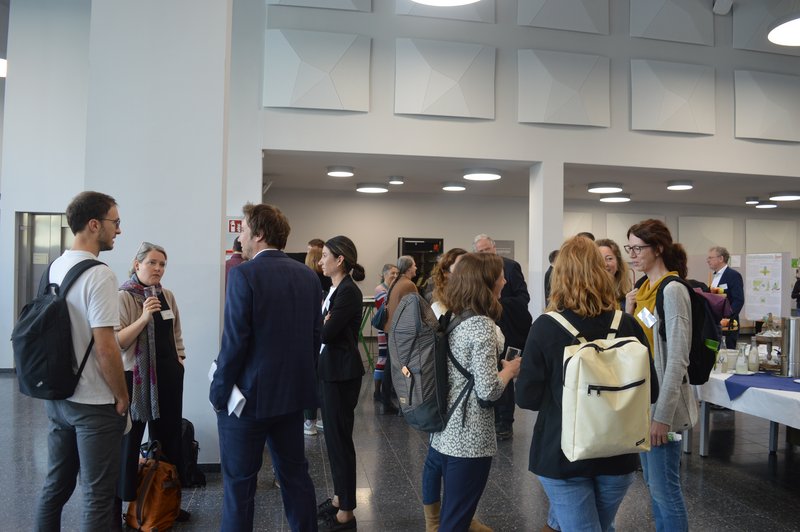
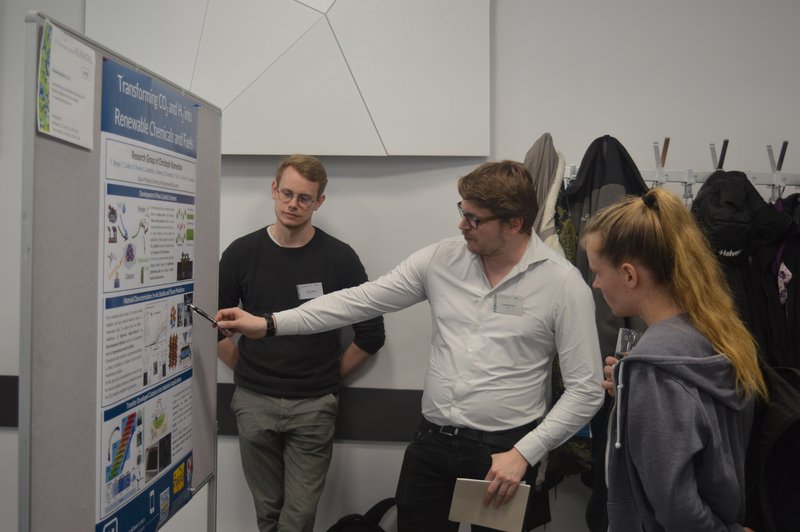
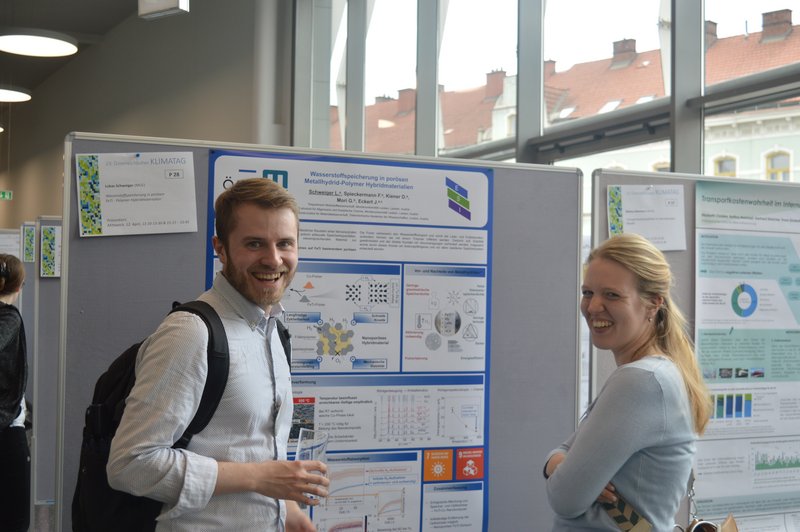
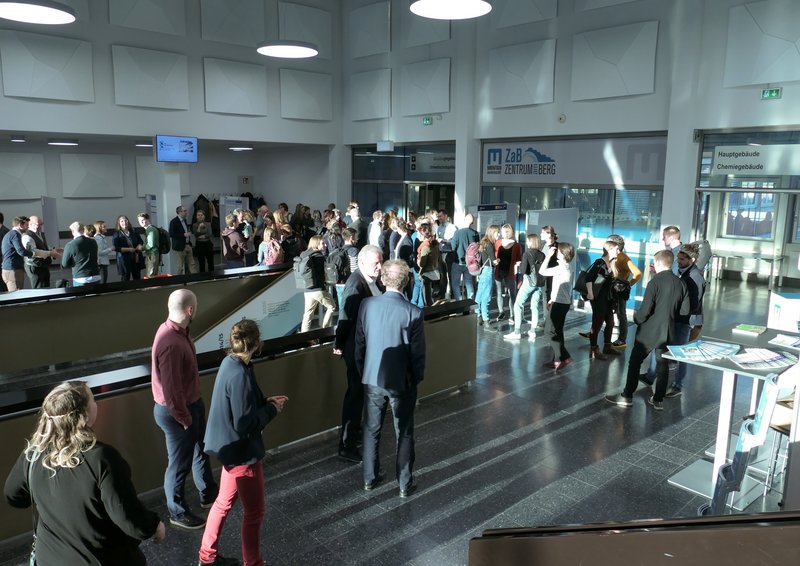
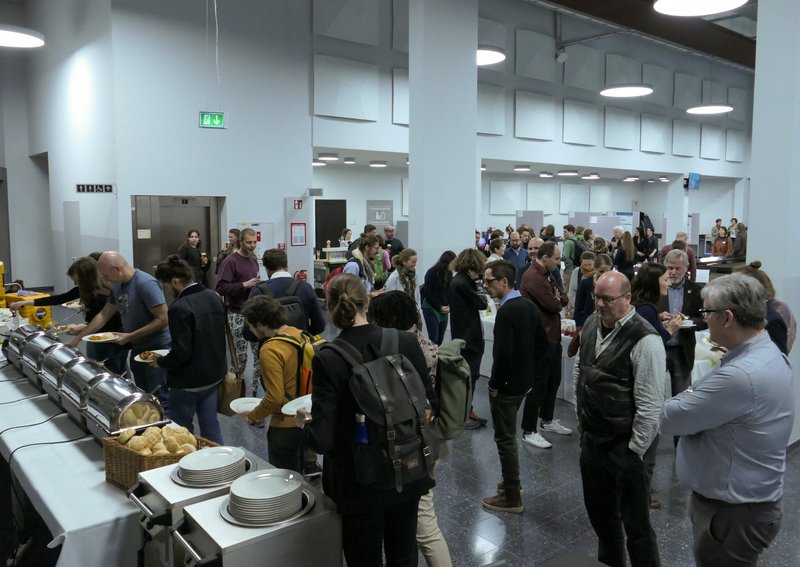
The five scientific sessions each consisted of 5 selected presentations on current climate research, including discussion. In addition, the thematically assigned posters were introduced concisely by the respective session chair. Exchange around the posters took place during the breaks. Conference participants had the opportunity to grab something to eat at the buffet and visit the poster presentations.

The programme and conference proceedings can be viewed HERE.

Participatory Formats

back to overview

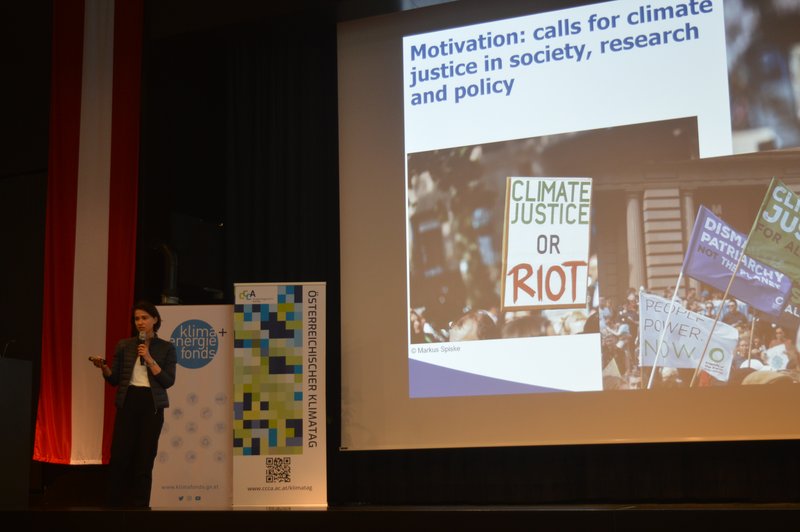
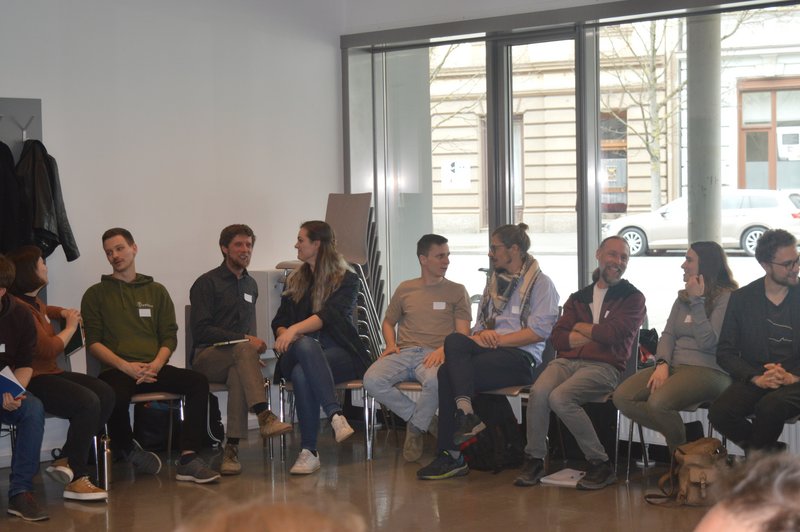
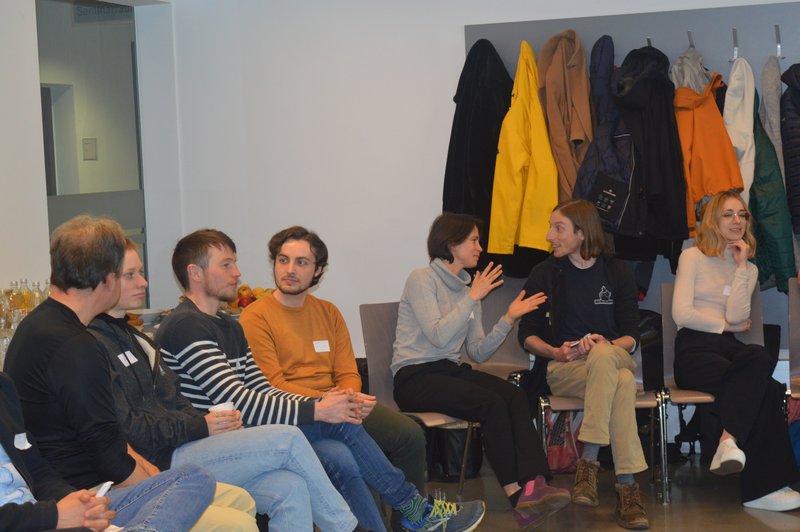
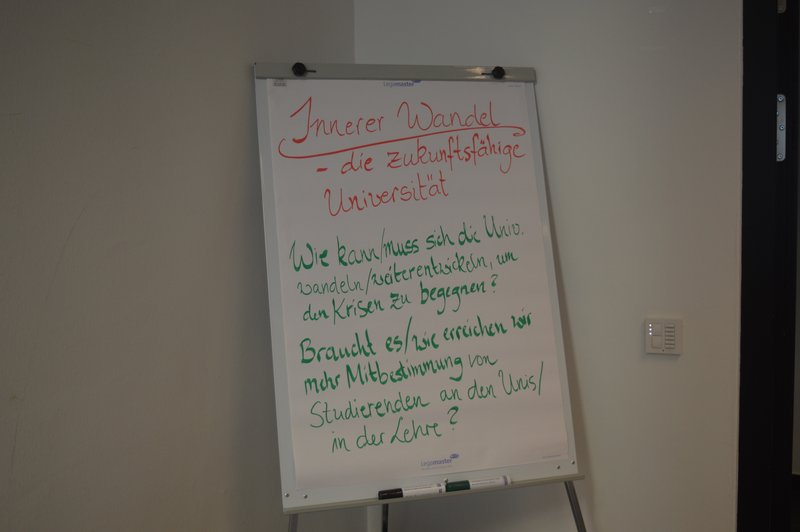
Once again, conference participants were looking forward to interactive and participatory formats. As part of the workshop for early-career researchers on the topic of "Tipping Point Climate Protests – Research & Activism in Transition", experts from research, activism, and civil society were invited to discuss the role of science in society with around 40 participants.

The dialogue between experts and multipliers from public administration — including Andrea Gössinger-Wieser (Climate Protection Coordinator of Styria), Simon Plösch (KLAR! Murraum Leoben), Stefanie Peßenteiner (City of Linz), Dominik Piringer (City of Graz), Bettina Fischer (State of Styria), Renate Renner (MUL), Marianne Bügelmayer-Blaschek (AIT), Claudia Hahn (GeoSphere Austria), Clemens Gattringer (Climate and Energy Fund), and Michael Brenner-Fließer (Joanneum Research) — aimed, at this year's workshop in cooperation with the State of Styria on the topic of "Rural – Urban – Climate: Active Climate Change Adaptation in Dealing with Heat and Natural Hazards", to share experiences in order to support concrete planning and implementation of measures in the area of climate change adaptation across all levels of administration.

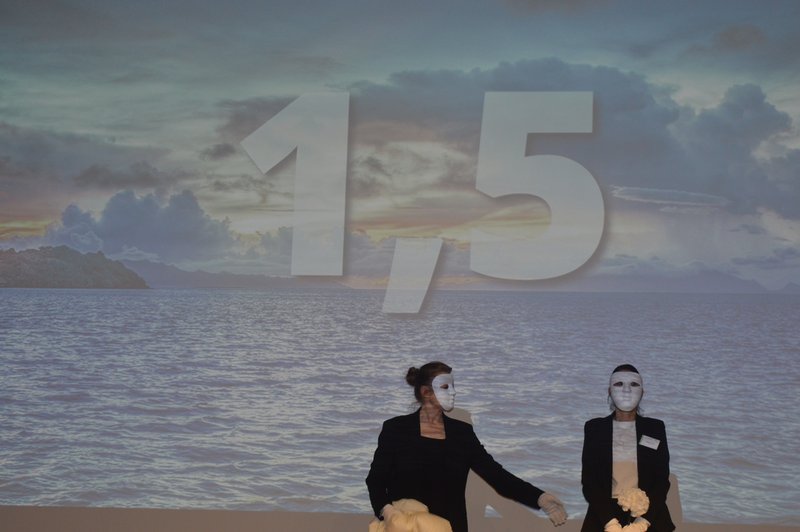
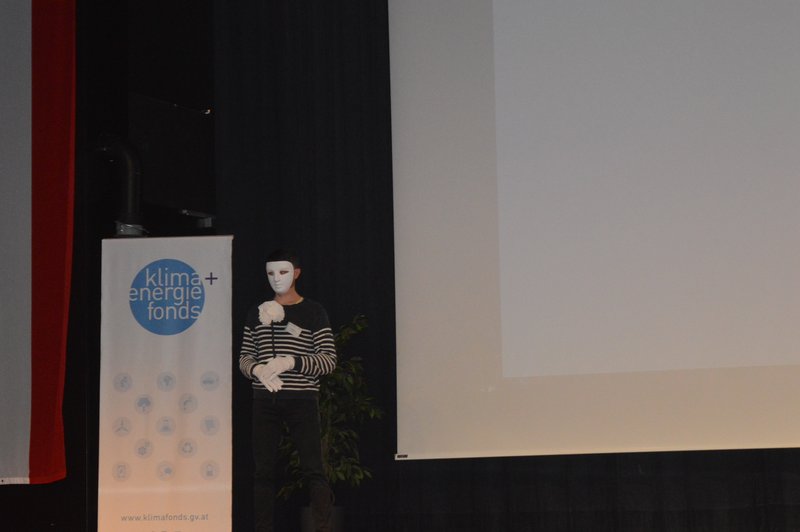
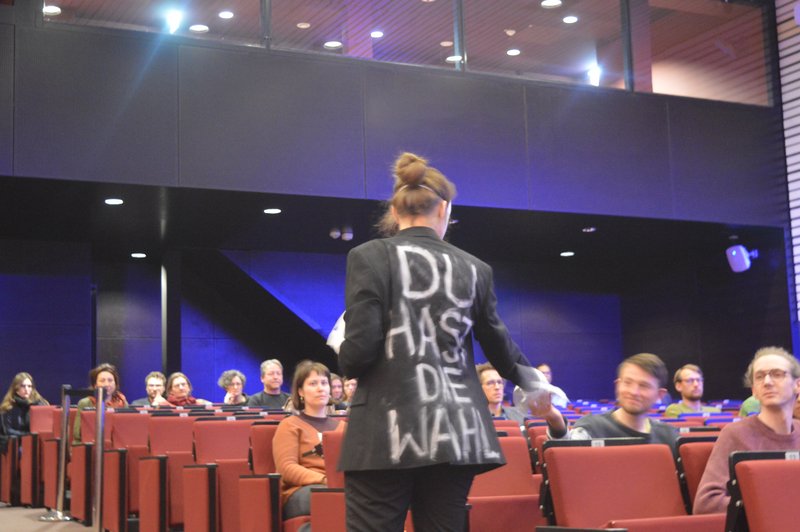
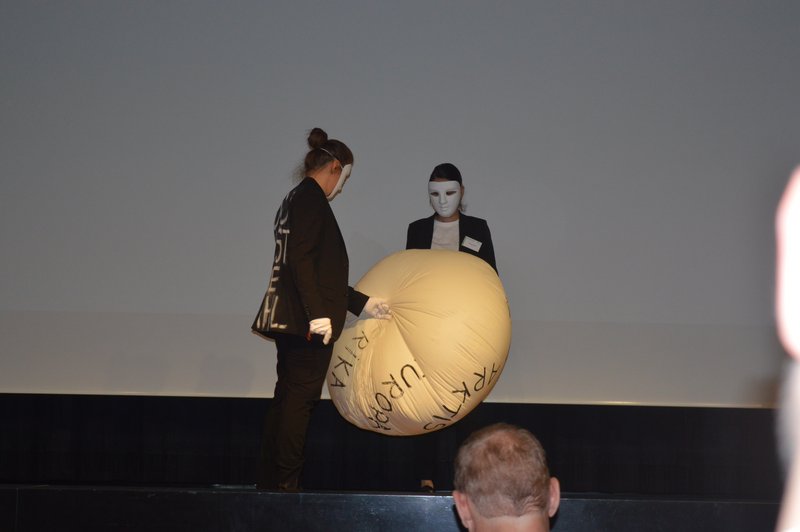
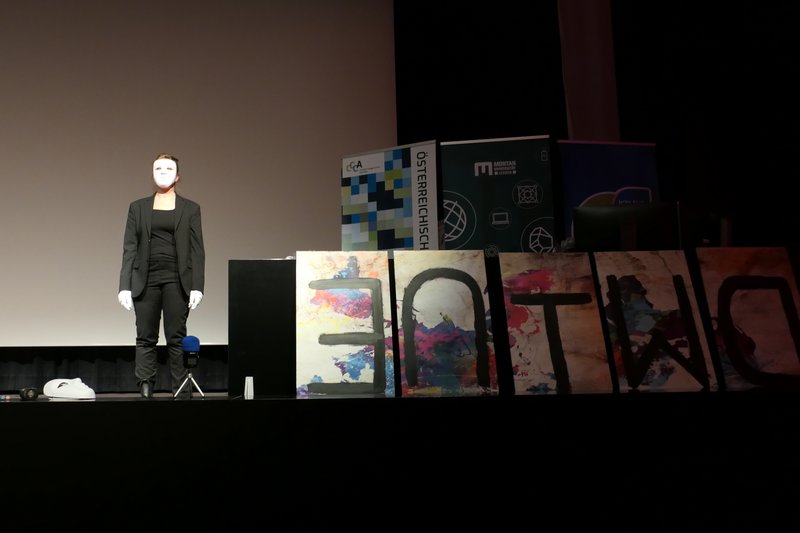
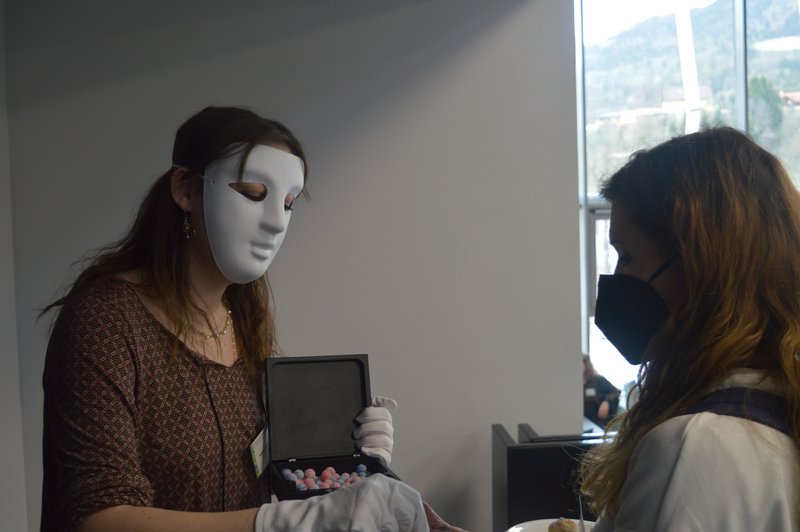
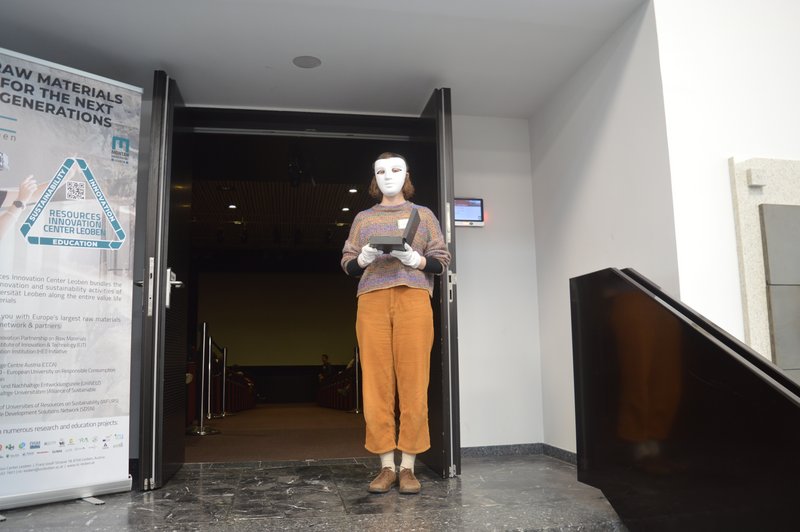
In addition, an art performance by Heide Spitzer — who, alongside her work at the CCCA service centre, also works as a freelance artist — was facilitated under the title "The Beauty of Climate Change". You can find the video of the performance HERE. (Music: Thomas D. "Lektionen in Demut 11.0")

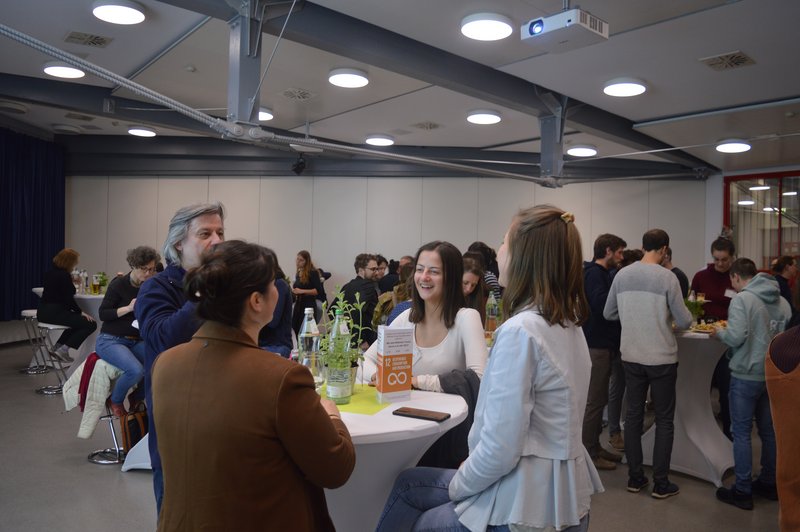
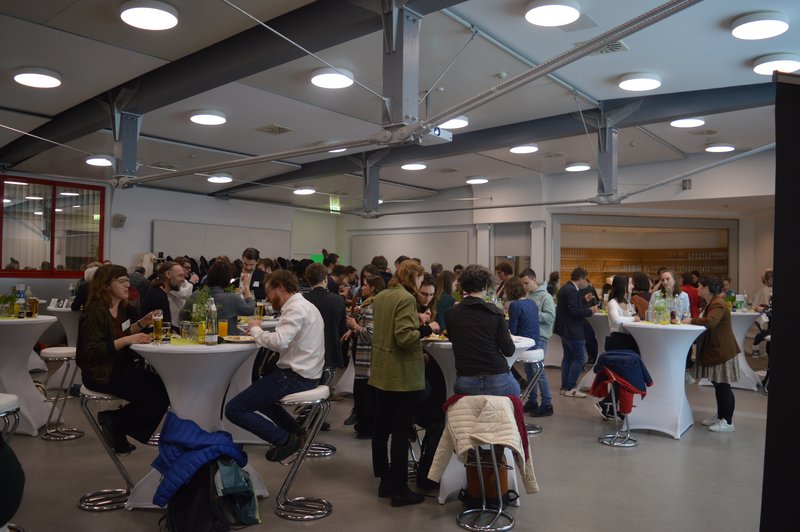
As a networking event, transdisciplinarity is becoming increasingly important alongside interdisciplinarity. The breaks, as well as the icebreaker and the evening event, were used for shared conversations and the exchange of ideas on projects.

Alongside the scientific conference, this year also saw the first-ever "Junior Conference" for pupils in years 11 to 13. In a dedicated programme block on the morning of 12 April, researchers from MUL offered age-appropriate talks and workshops for the young participants. In addition to an engagingly presented glimpse into various research areas, the Junior Conference gave participants an authentic opportunity to connect with researchers and get their first taste of academic life within the framework of an established conference. Around 200 pupils took part.

Impressions from the CCCA Workshop for Early-Career Researchers

Impressions from the art performance "The Beauty of Climate Change"

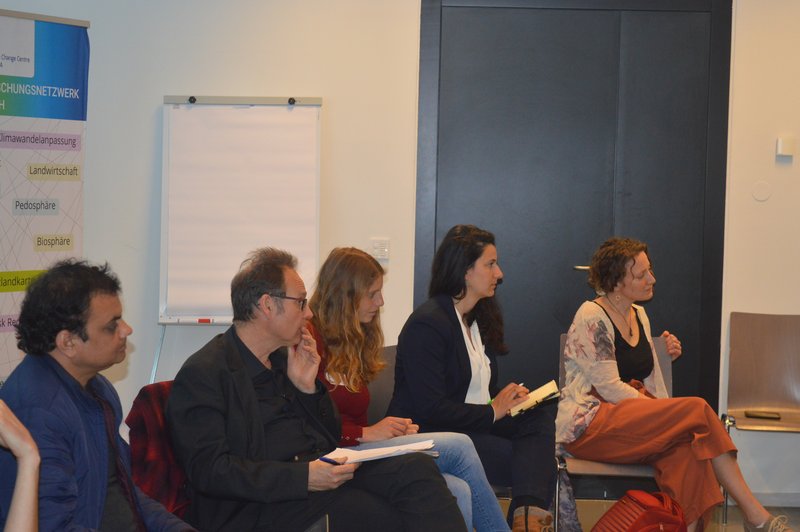
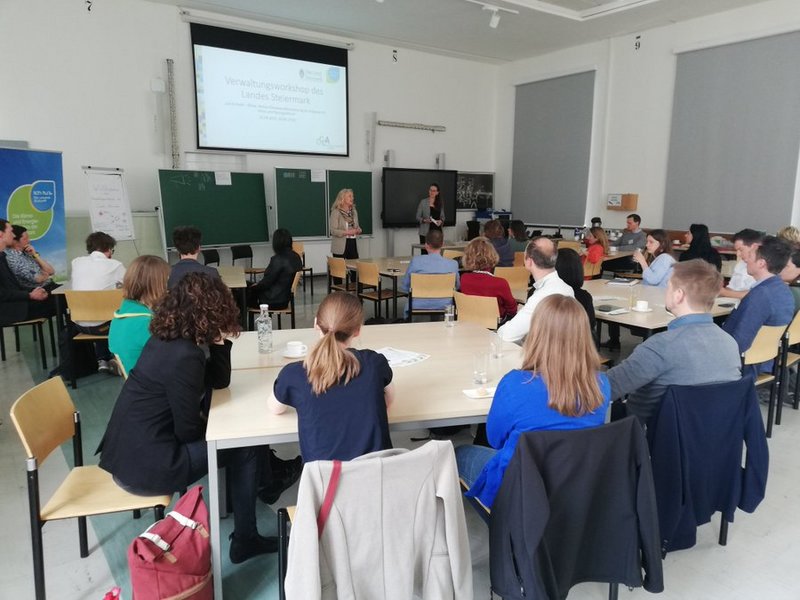
Further impressions from the conference: Workshop in cooperation with the State of Styria, Junior Conference for pupils, poster presentations, and conversations during breaks

Icebreaker in Cooperation with the City of Leoben

back to overview

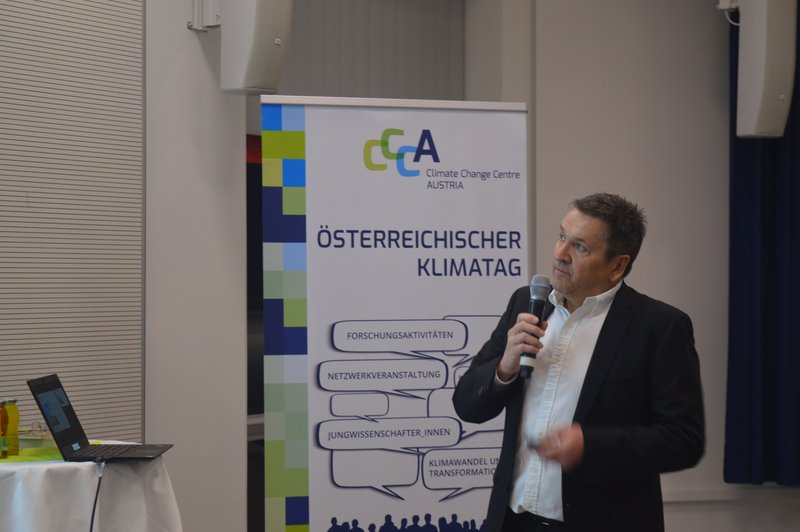
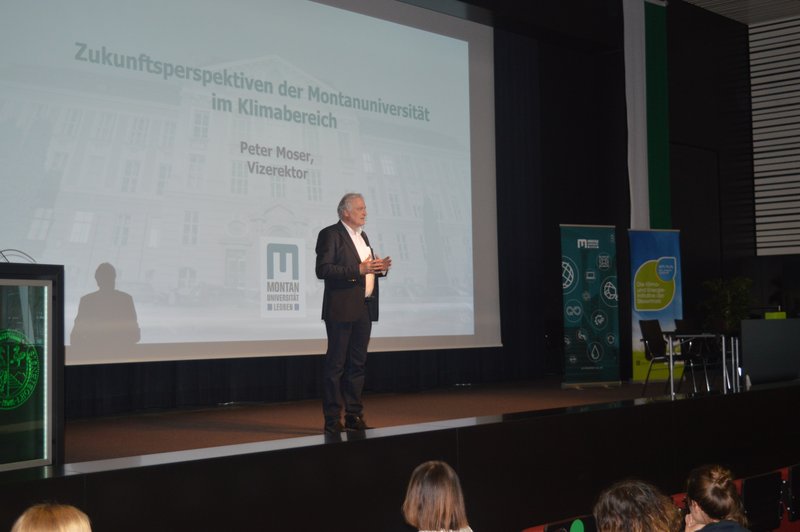
On the evening of 11 April, MUL itself took centre stage, with Peter Moser (MUL) outlining the university's vision for sustainable development. The focus was on the global development of resource use and the associated decoupling of raw materials and growth. Margit Keshmiri (City of Leoben) welcomed conference participants to Leoben on behalf of the Mayor, Kurt Wallner, and highlighted the connections between the City of Leoben and the Klimatag.

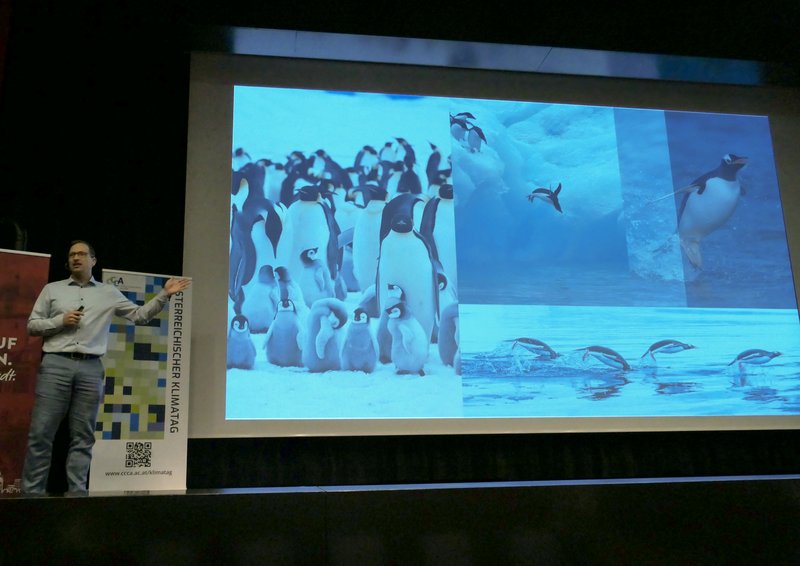
The subsequent talk by Robert Obenaus-Emler (MUL) on the Strategic Core Research Area SCoRe A+ Hydrogen and Carbon explored two key elements with the potential to minimise the impacts of advancing anthropogenic climate change. Around 150 people at MUL are conducting research into this potential. A particular emphasis was placed on the curiosity and, above all, the creativity of young people — qualities that must not only be maintained throughout their education, but actively encouraged, as curiosity and creativity are indispensable for addressing the challenges that still lie ahead of us.

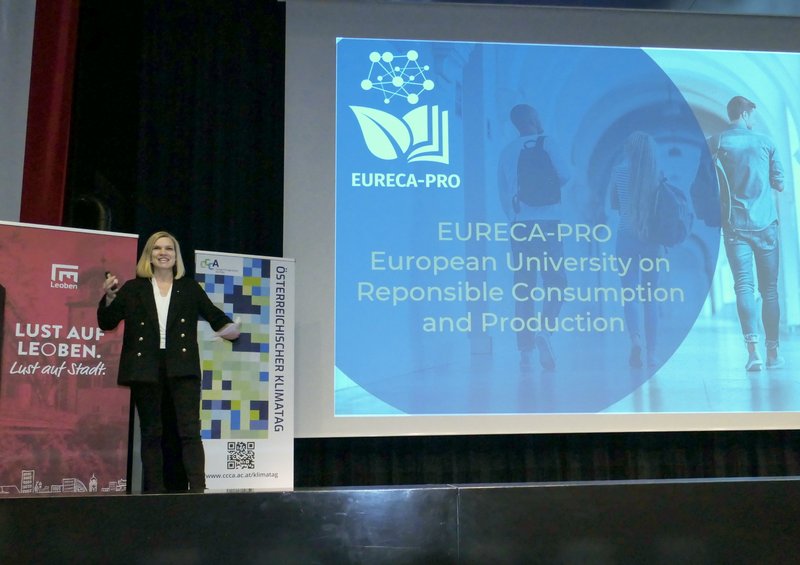
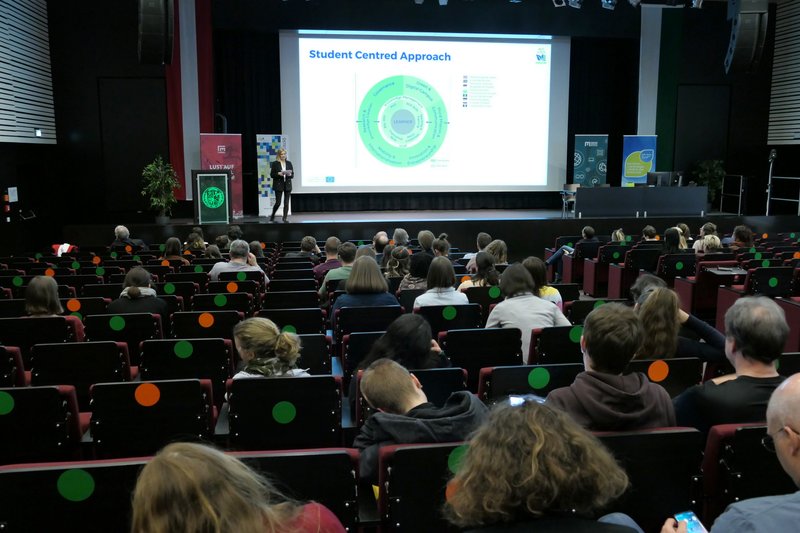
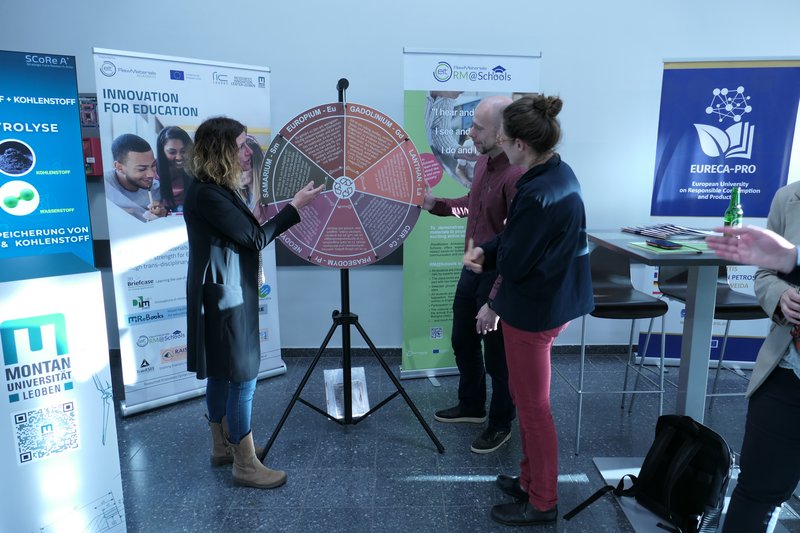
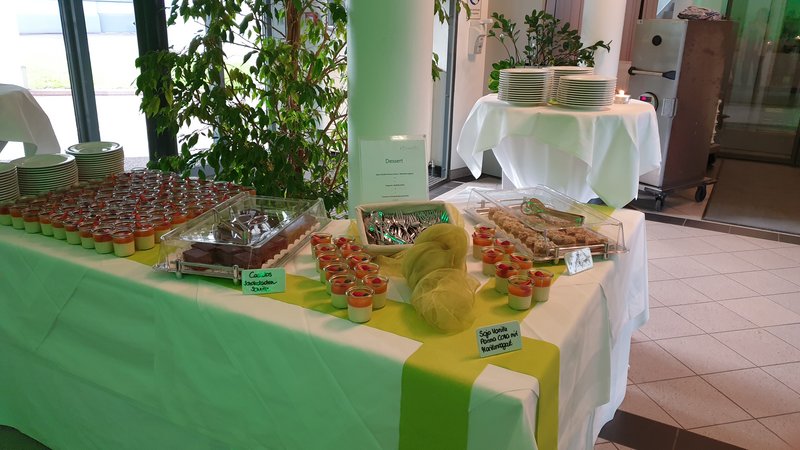
In the following talk by Susanne Feiel (MUL) on EURECA-PRO: The European University on Responsible Consumption and Production, education was also a central theme — as EURECA-PRO has a dual societal and planetary mission. Through its innovative approach, it contributes on one hand to the development of the European Higher Education Area, and on the other to the highly topical issue of sustainable consumption and production under SDG 12. Topics such as SDG 12 call for holistic approaches to education, teaching, and research; the Montanuniversität therefore cooperates within EURECA-PRO with eight partner universities to address all questions relating to consumption, production, and resource use in an interdisciplinary manner. Following the keynote presentations, the host invited participants to a buffet featuring regional delicacies, sponsored by the City of Leoben and catered by Casedo GmbH.

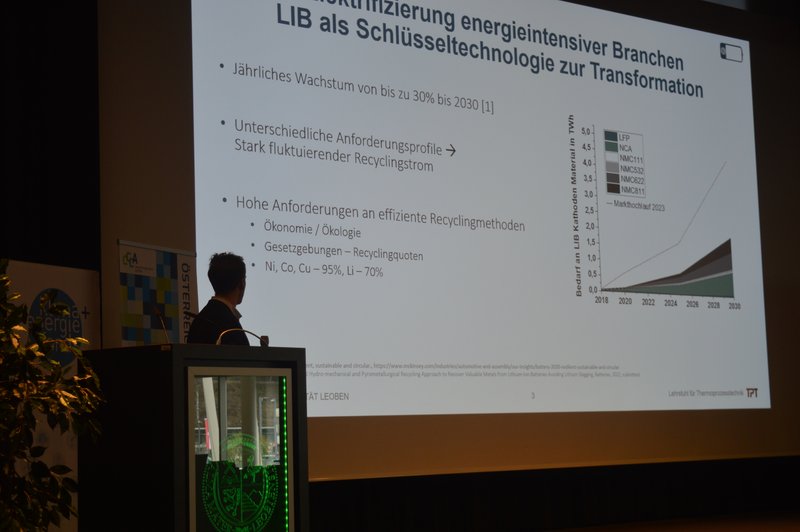
Participants were able to learn about sustainability highlights such as the TripleN Magazine – the sustainability magazine of the Montanuniversität, the RIC Education school projects, the European University EURECA-PRO, the Sustainable Development Panel, and Lightwalls on research focus areas such as hydrogen and plastics, CO2 utilisation, and battery recycling during the networking segment.

The slides from the icebreaker are available in the programme.

Evening Event in Cooperation with voestalpine Metal Engineering Division at the Donawitz Site

back to overview

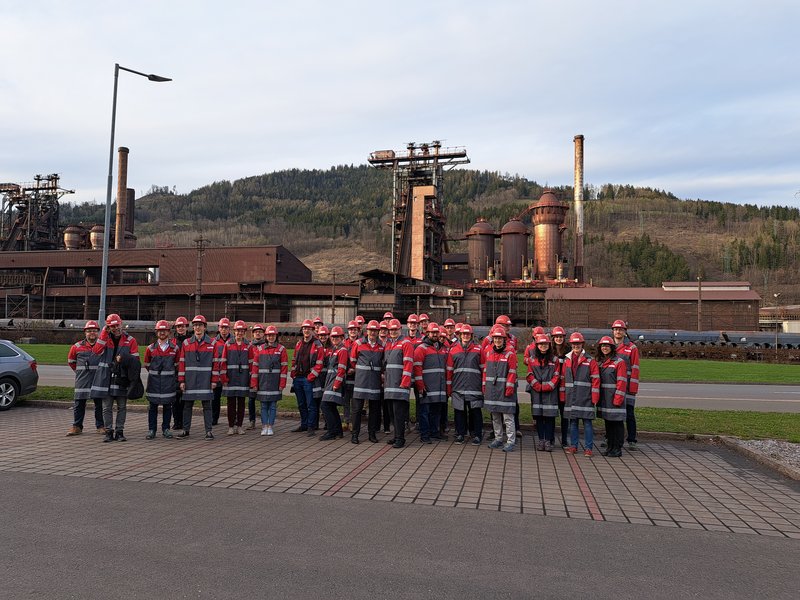
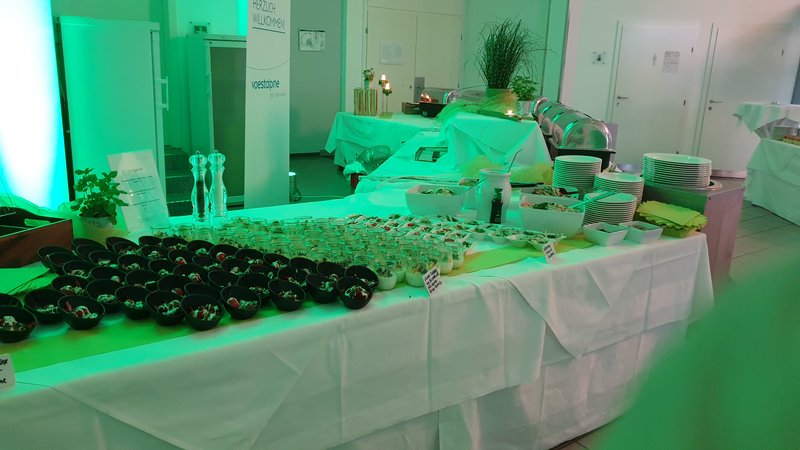
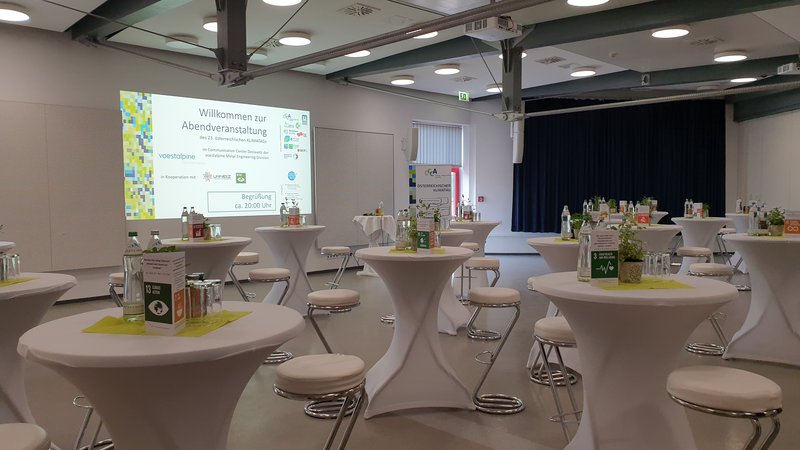
The evening event following the first conference day on 12 April kicked off with a factory tour of the voestalpine plant in Donawitz. Afterwards, all conference participants were treated to a vegetarian/vegan buffet provided by the in-house catering company at the Communication Center Donawitz (CCD) of the voestalpine Metal Engineering Division. This was followed by a brief overview of content highlights from the UniNEtZ SDG 13 project by Ingeborg Schwarzl (CCCA-Geschäftsstelle), as well as a short introduction to voestalpine's sites, products, and the challenges posed by the planned transition from blast furnaces to electric arc furnaces by Thomas Starzer (Senior Vice President, voestalpine Metal Engineering GmbH) — which, complemented by quiz questions on the Sustainable Development Goals (SDGs), sparked lively discussions at the standing tables.

Further information about voestalpine's transition towards more climate-friendly production can be found here.

CCCA Awards

back to overview

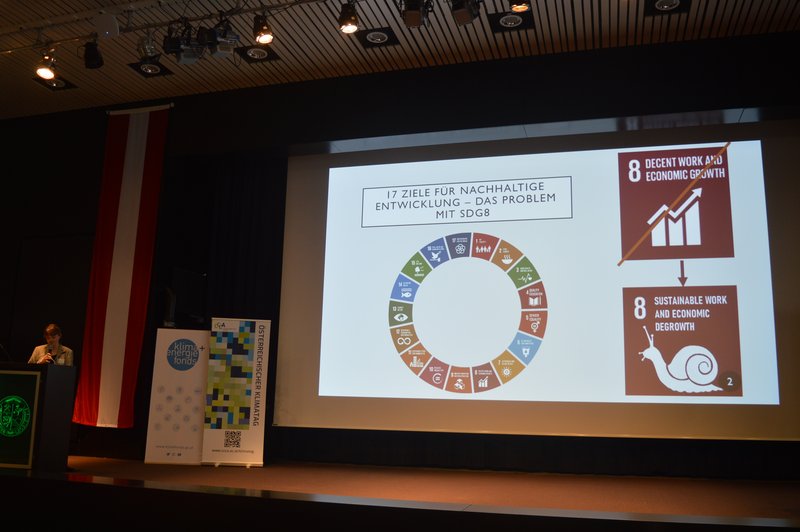
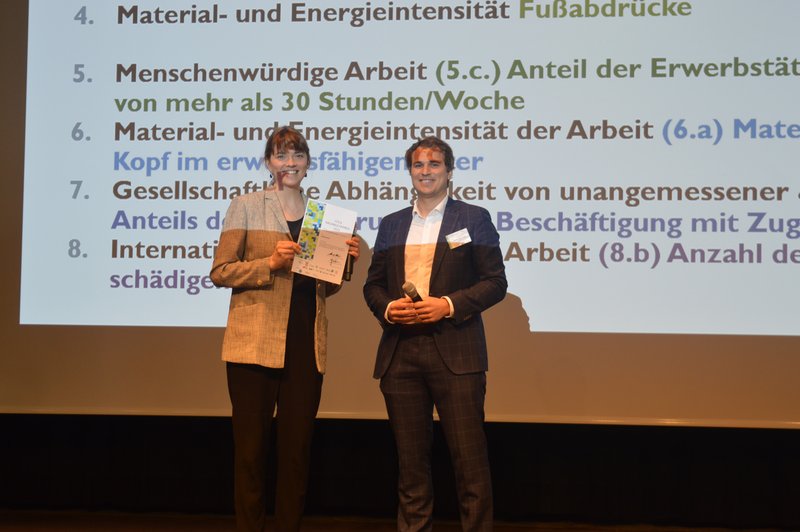
The early career award for 2023 was presented to Halliki Kreinin (WU/WWU) for the paper From "Decent work and economic growth" to "Sustainable work and economic degrowth": a new framework for SDG 8.

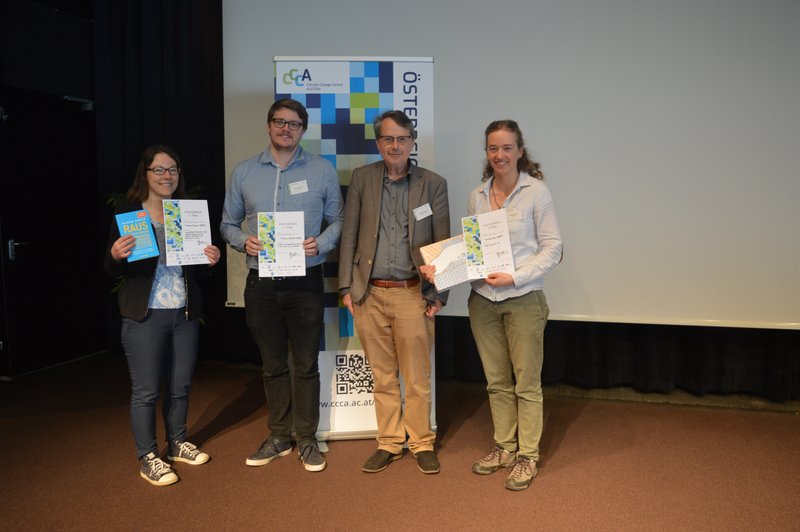
The CCCA Poster Award was once again a fixed part of this year's conference. All participants were able to rate the displayed posters throughout the event. On this basis, a jury consisting of Gerhard Wotawa (GeoSphere Austria & CCCA Board), Markus Ellersdorfer (MUL) and Elisabeth Worliczek (CCCA International) presented the poster award.

The following posters were voted into the top 3 places:

Supporters of the 23rd Austrian Climate Day

back to overview

The 23rd Austrian Climate Day was made possible through the support of the following institutions, whom we would like to warmly thank on behalf of the entire CCCA: