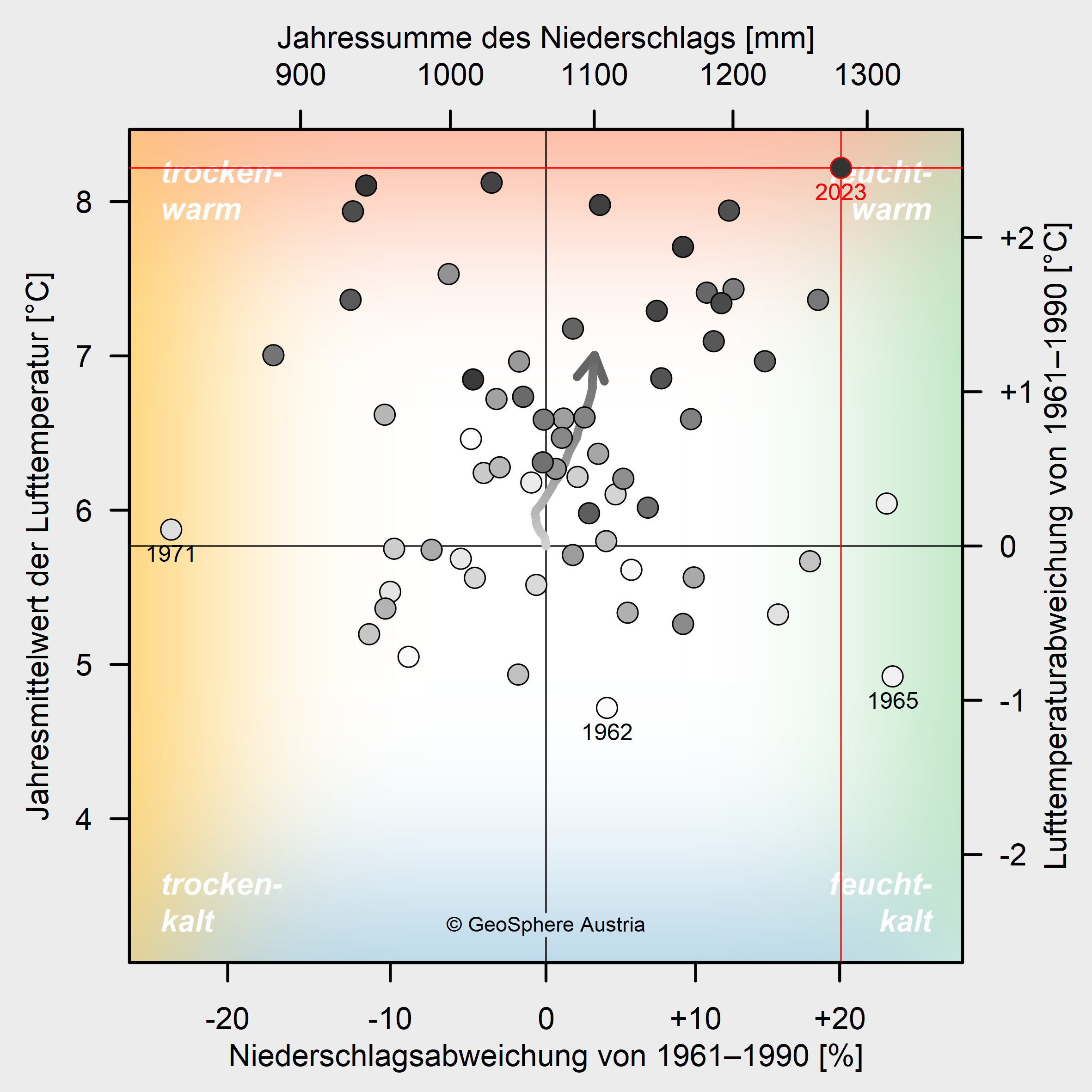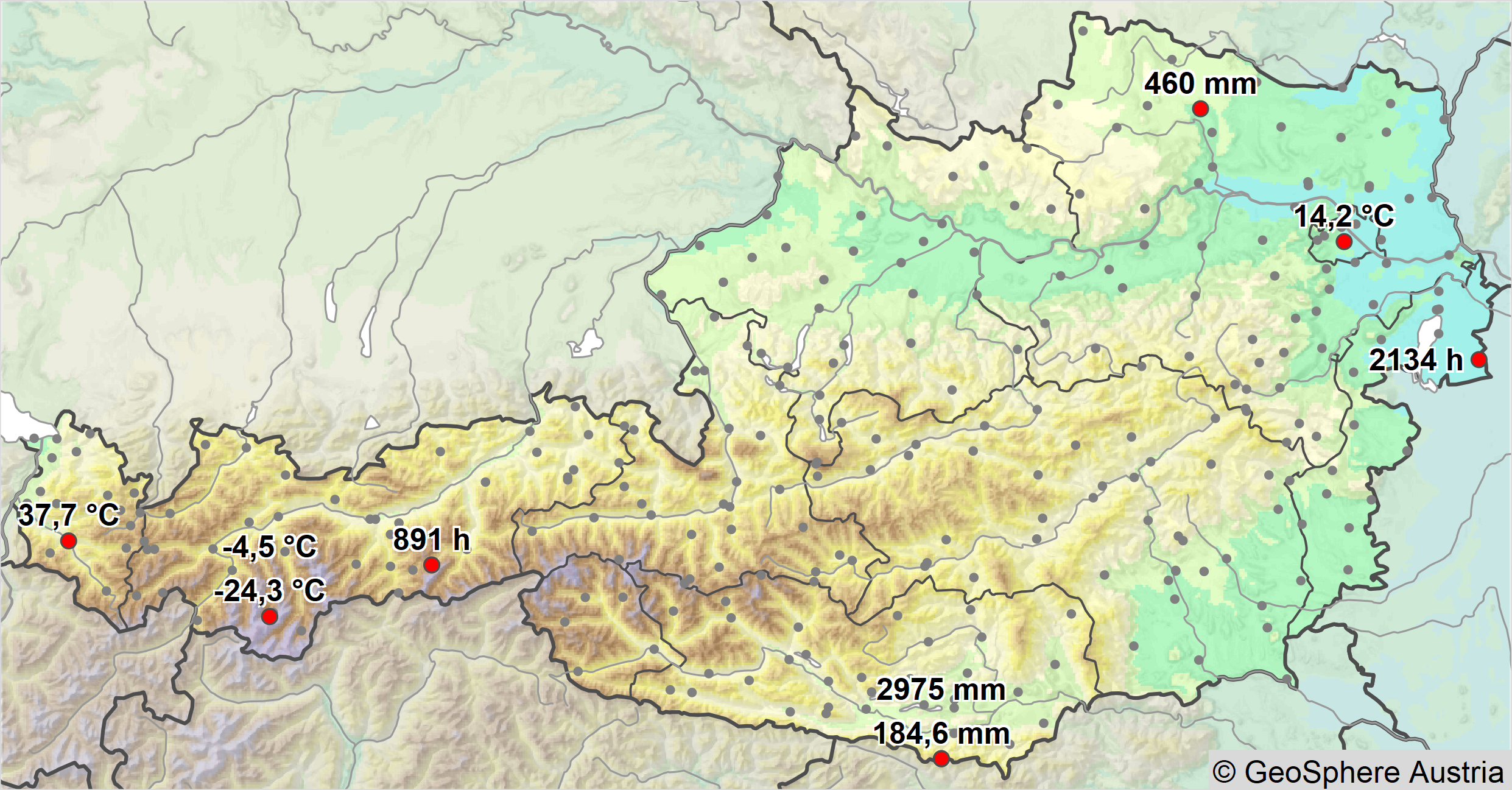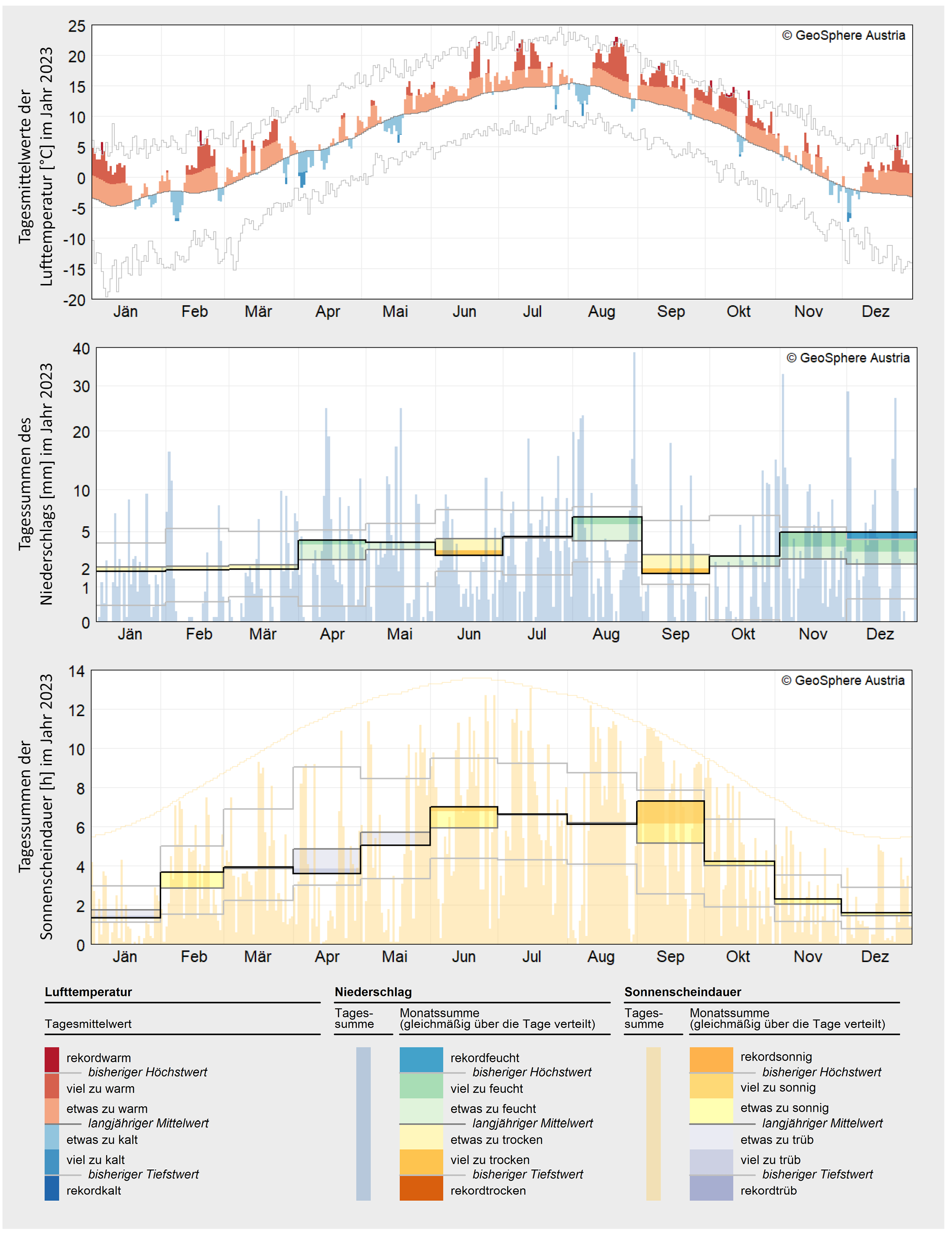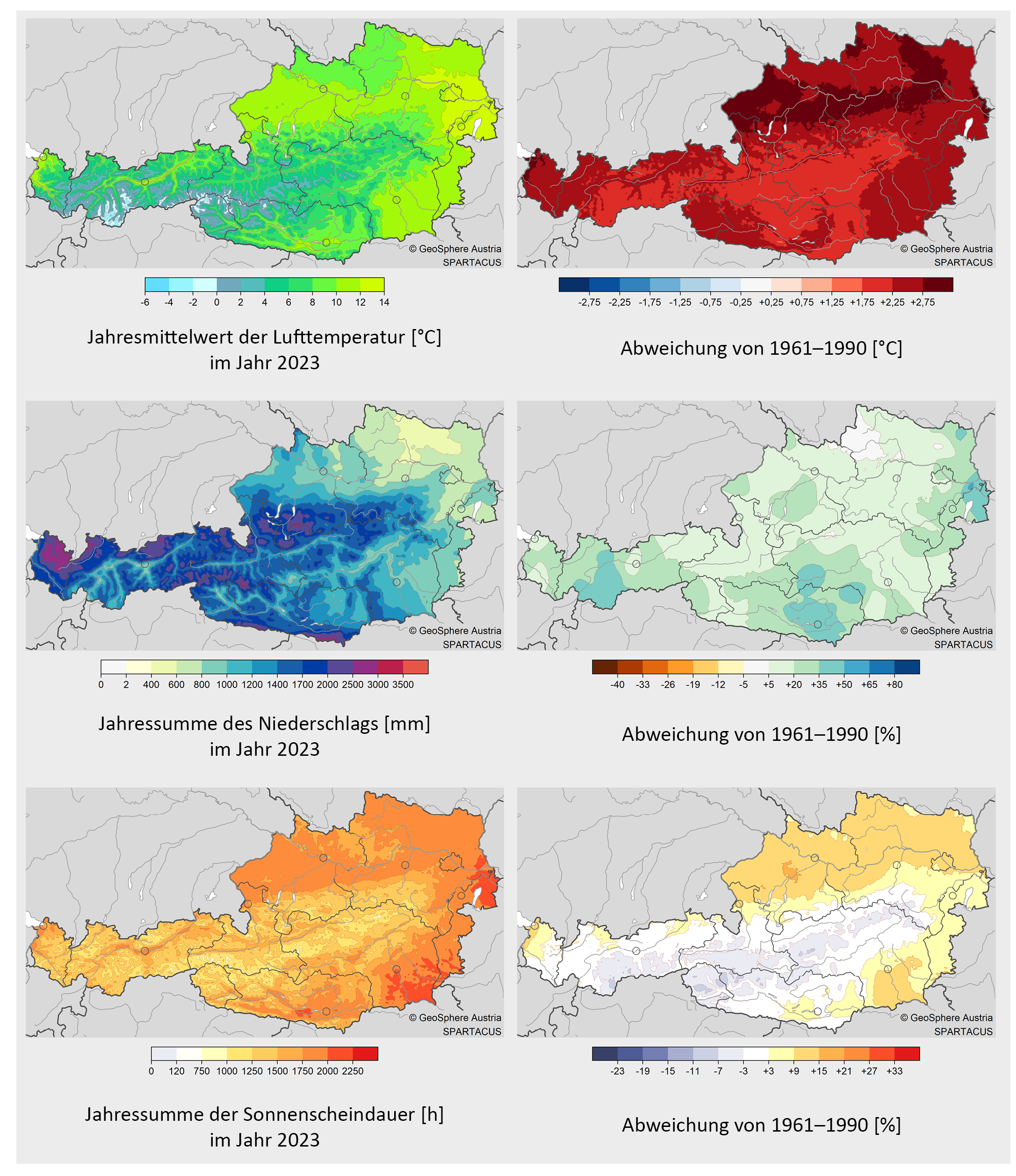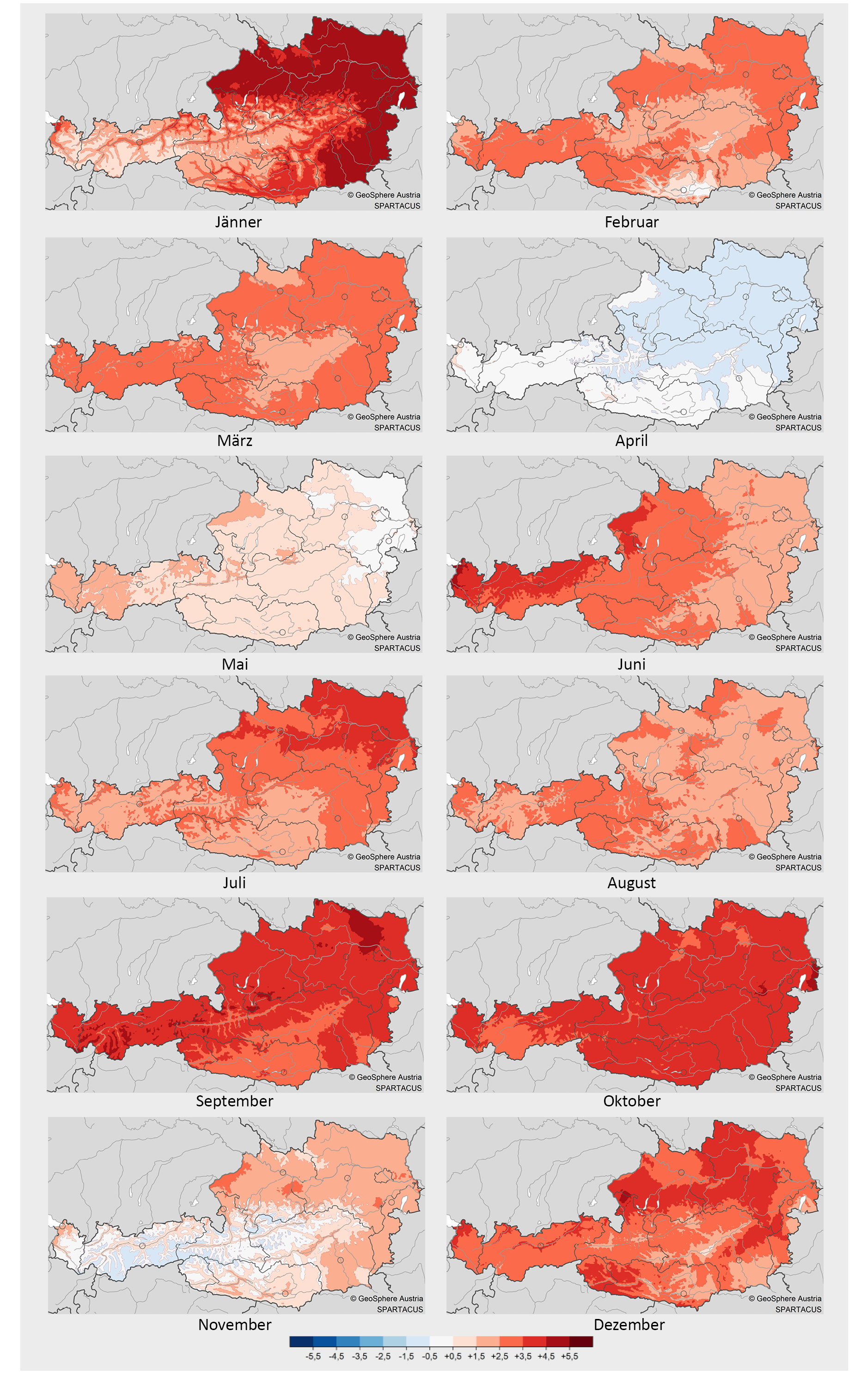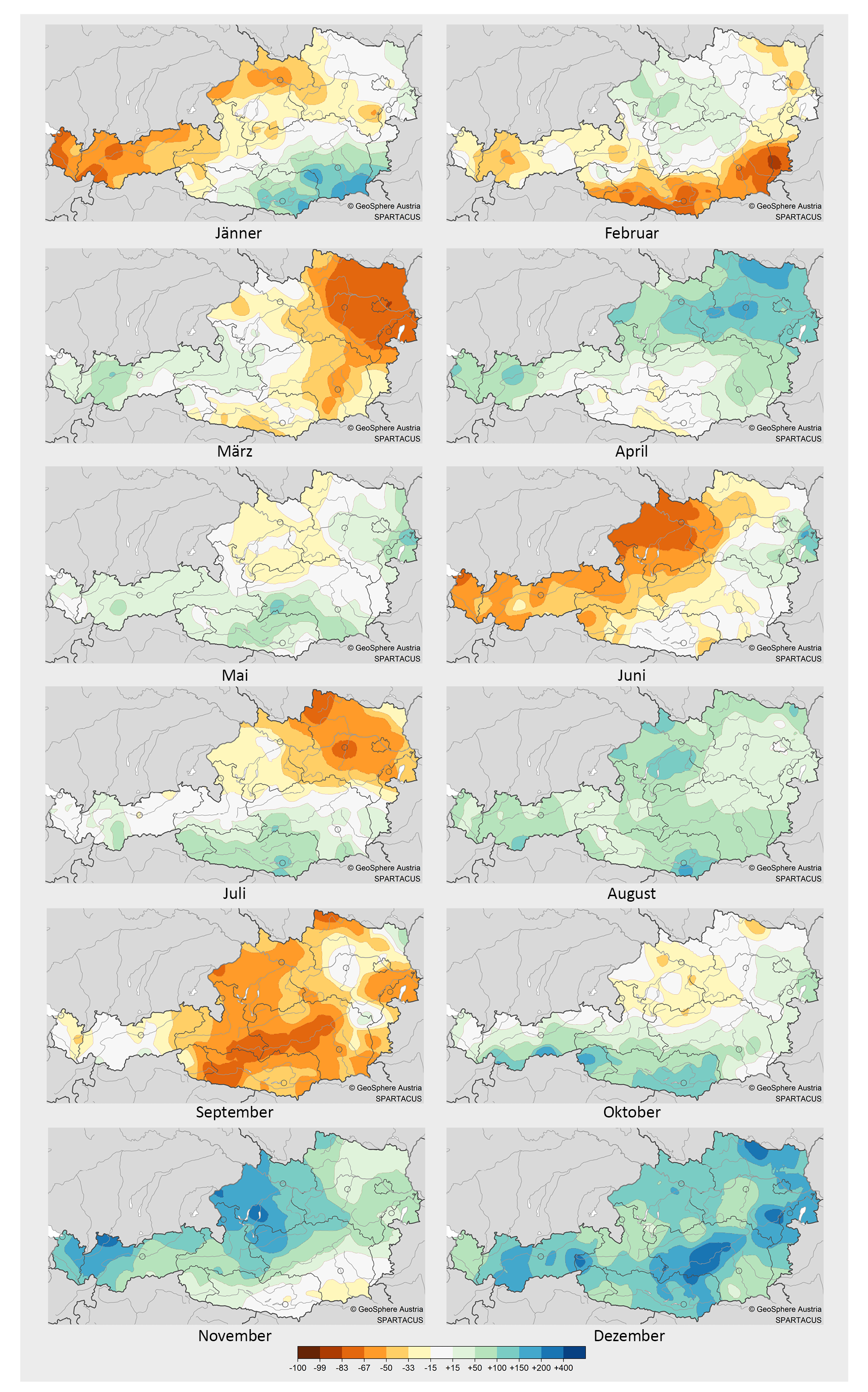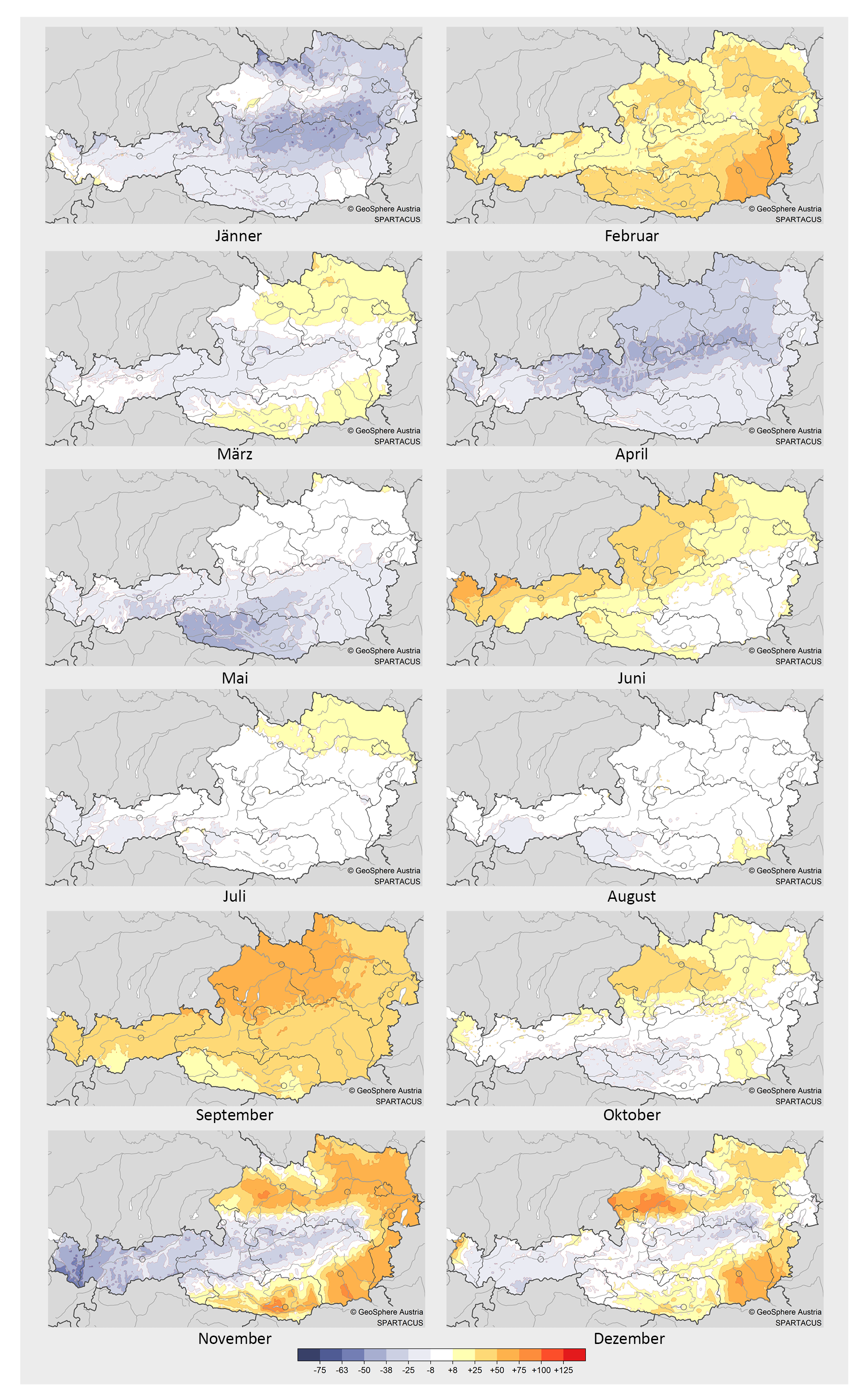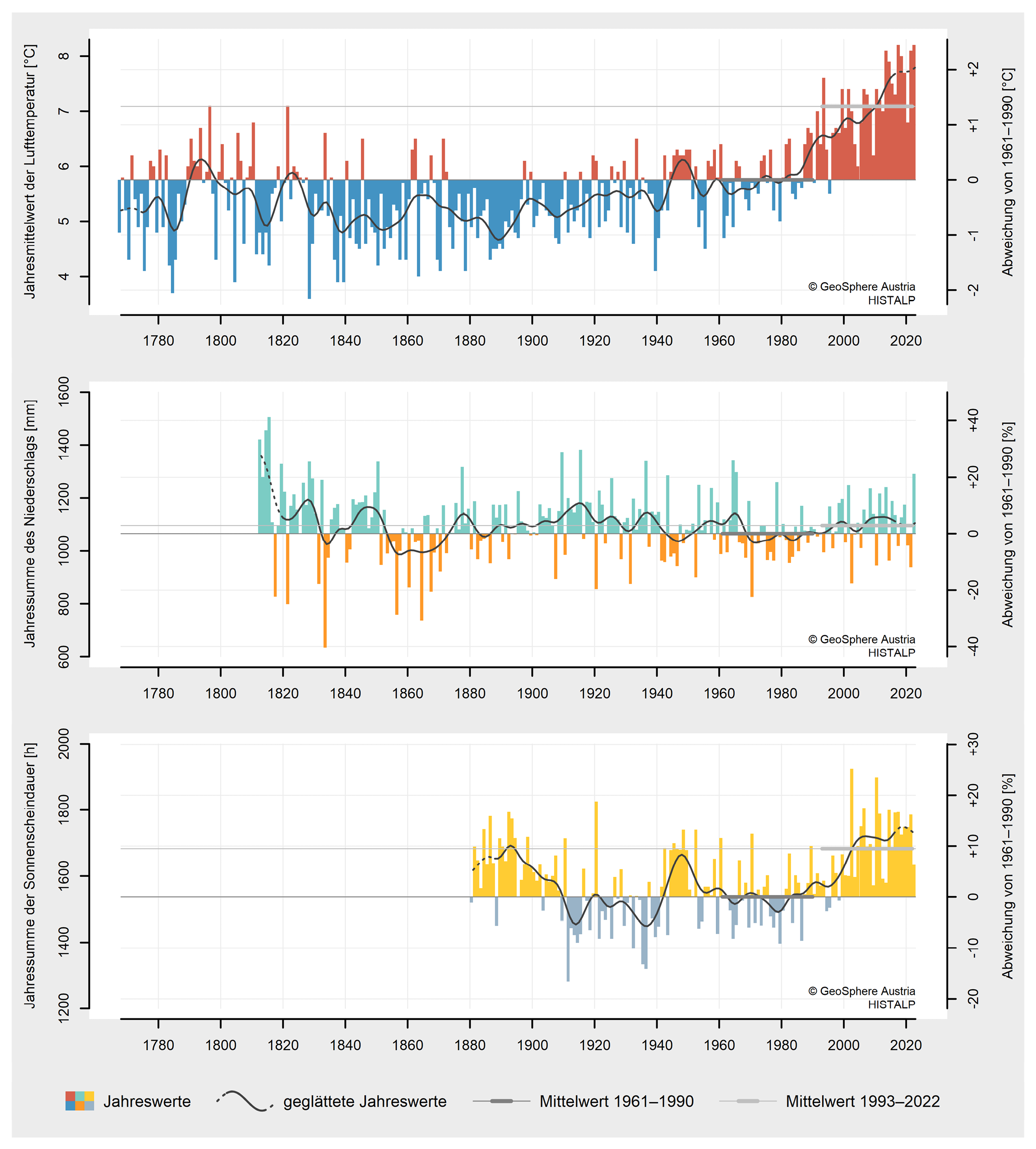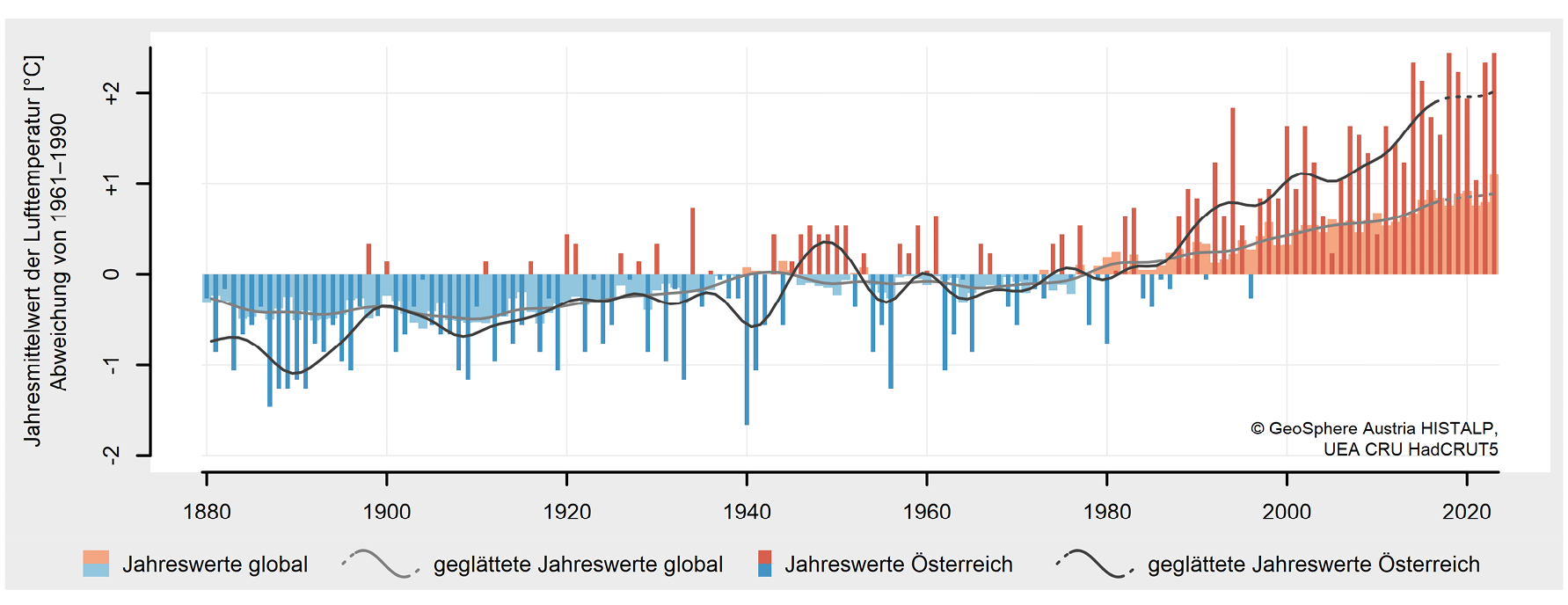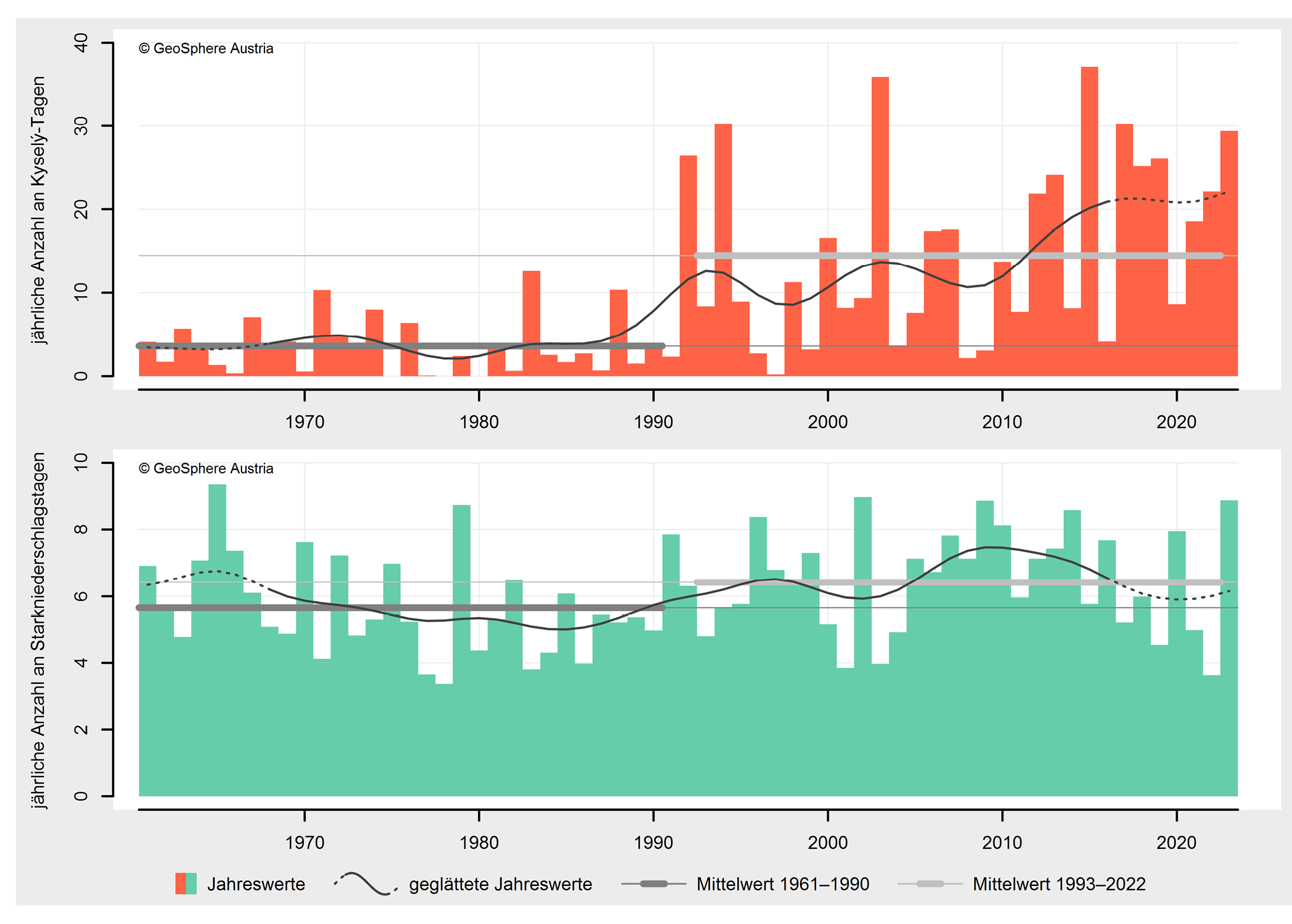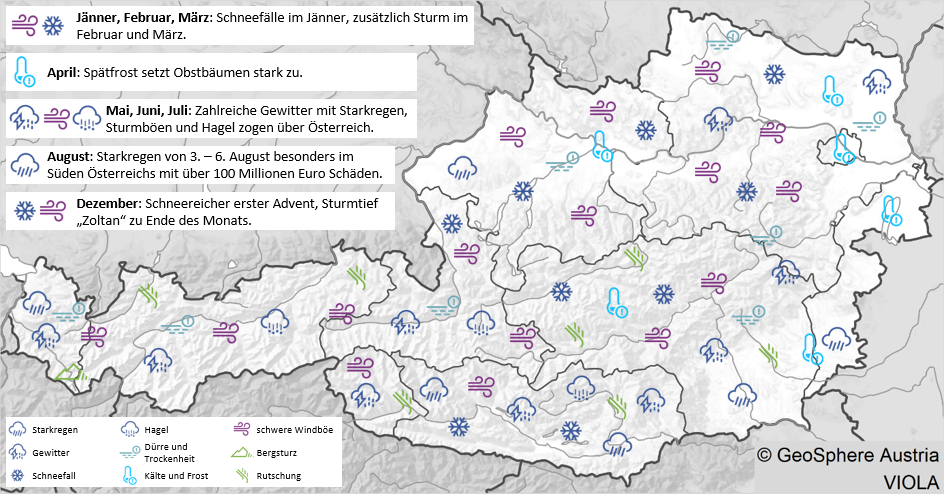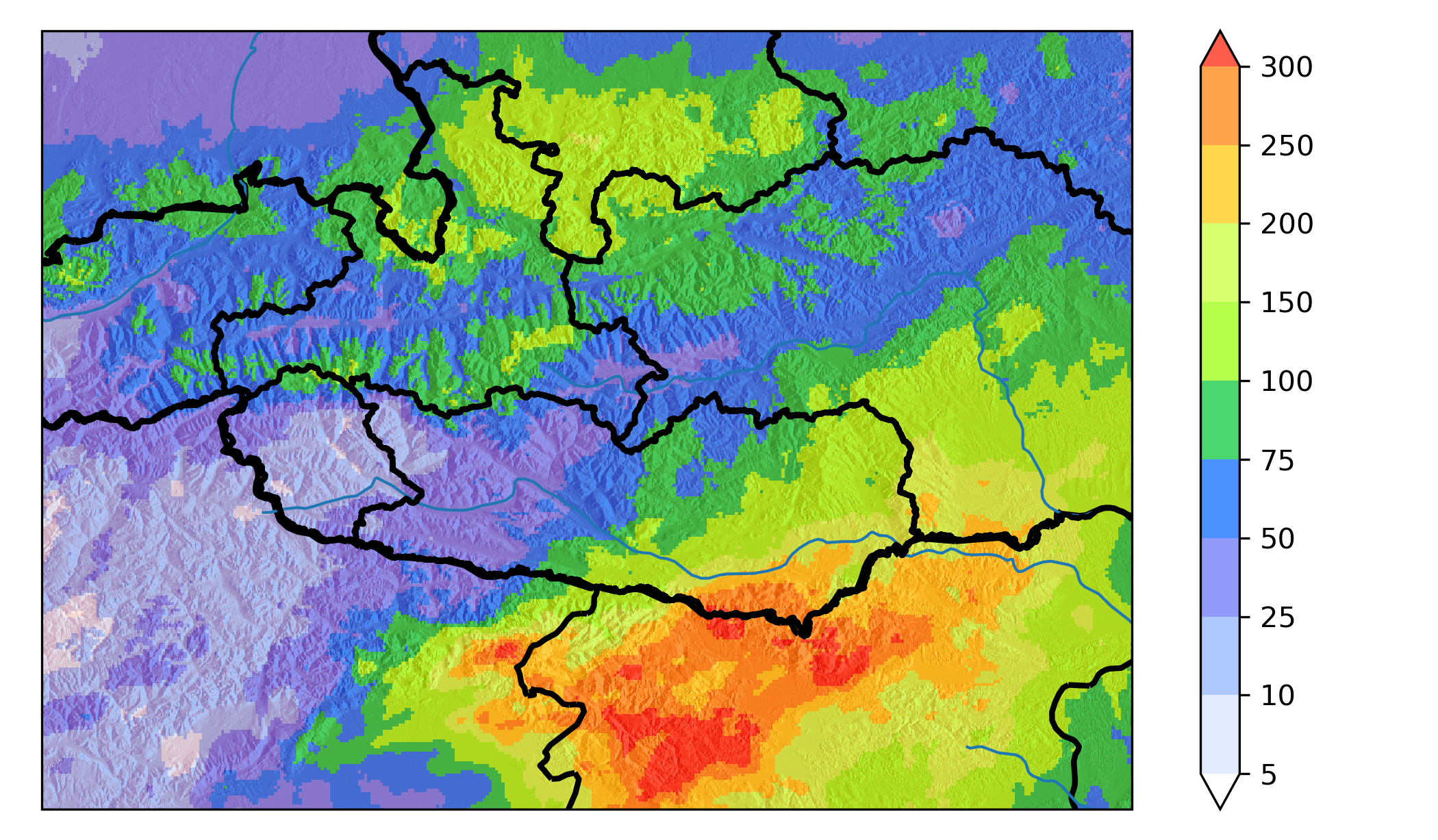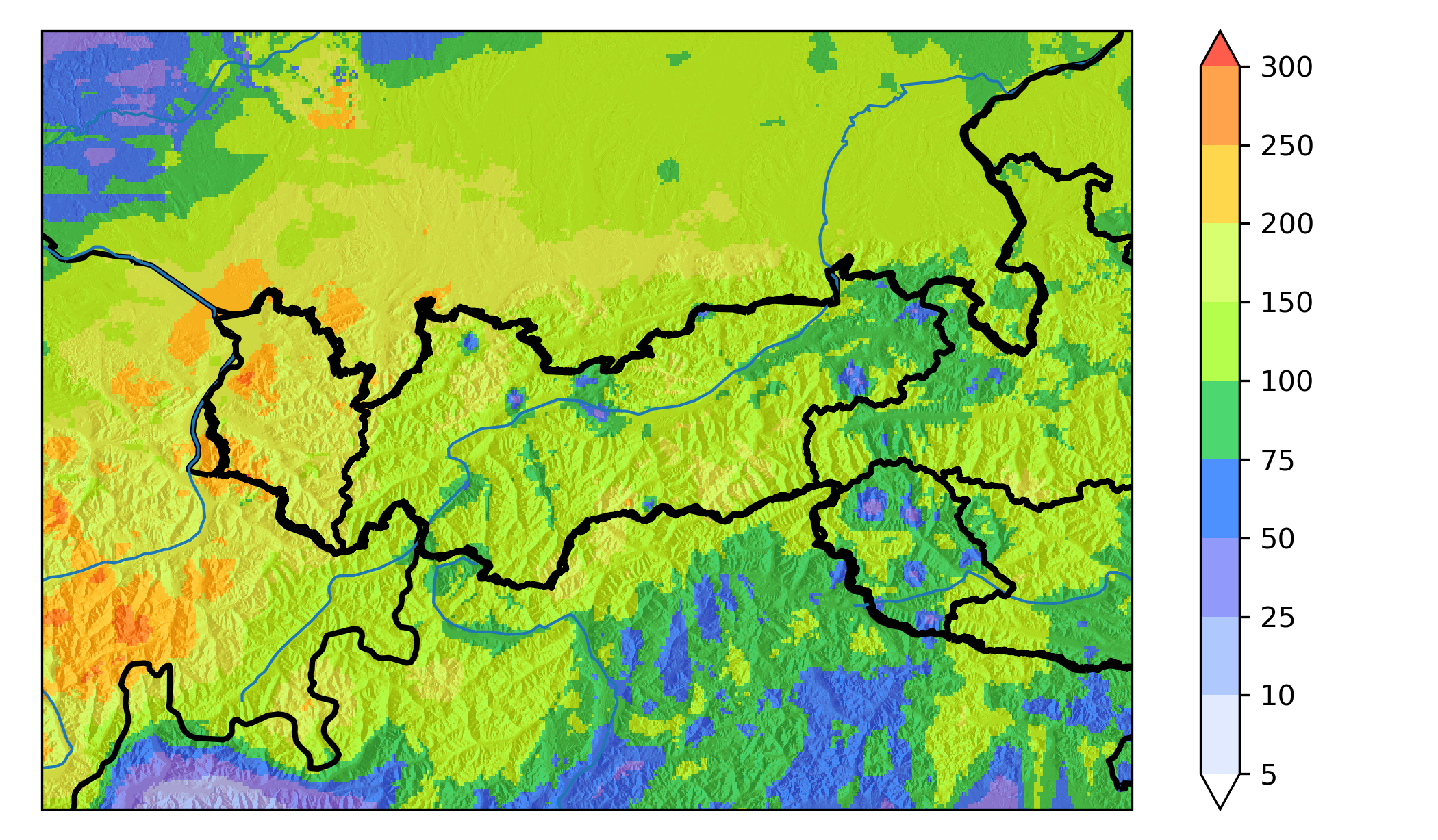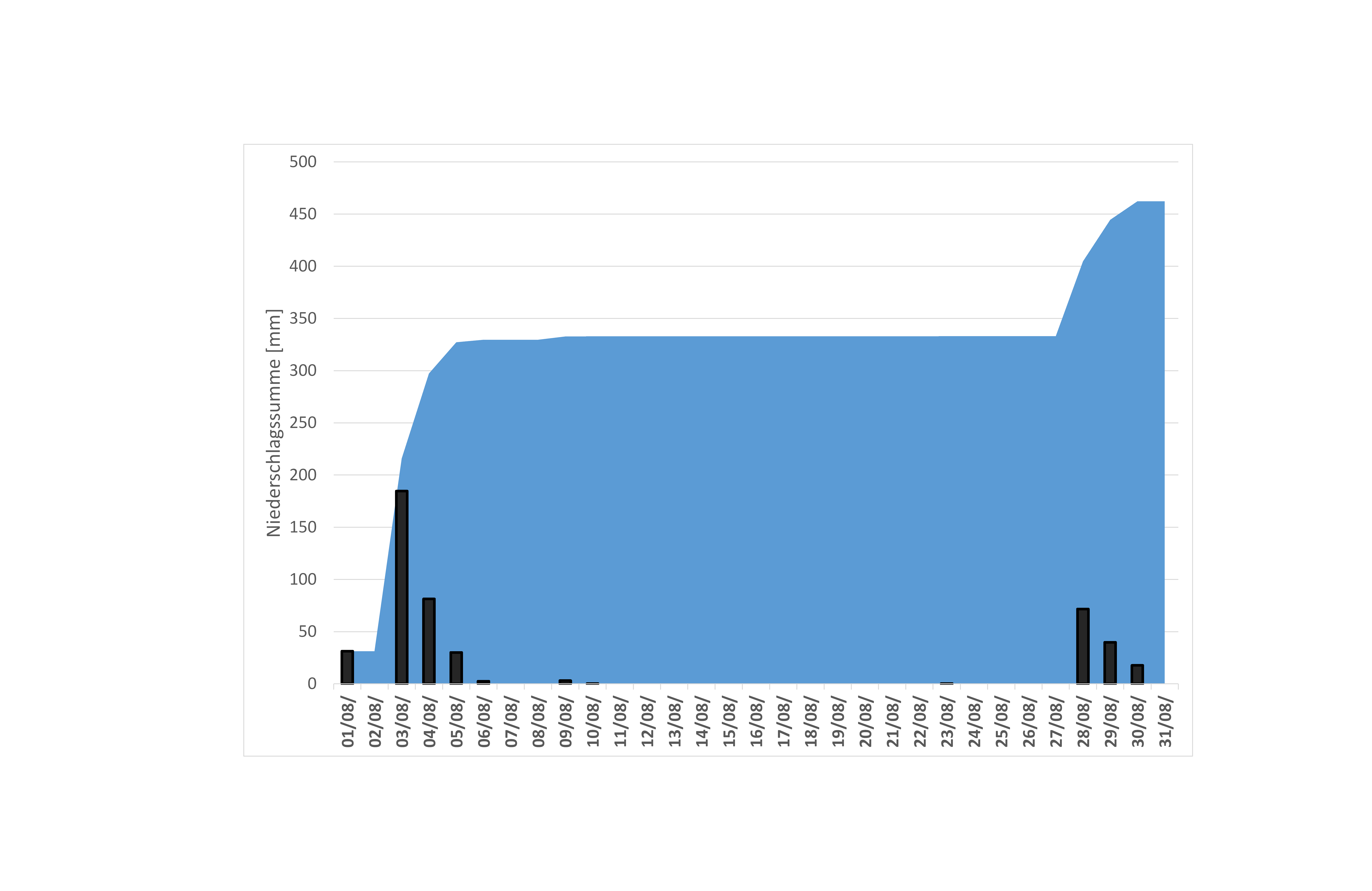


With a temperature anomaly of +2.5 °C compared to the climate mean, the year 2023 once again confirms that the warming driven by human-caused climate change is advancing rapidly in Austria too. Averaged across Austria, 2023 was the warmest year on record. Alongside extended periods of heat, the year was also characterised by an unusually high amount of precipitation and heavy precipitation events. Overall, precipitation totals averaged across Austria were 20% above the expected value. Particularly consequential for Austria were the prolonged and intense heavy precipitation events at the beginning and end of August. During both events, more than 200 mm of precipitation fell across large areas within just a few days, with localised totals exceeding 300 mm. The result was flooding and high water, surface run-off, landslides and debris flows, as well as elevated lake and groundwater levels, which led to risks to the population on one hand and enormous damage to agriculture, forestry and infrastructure on the other. Not only the extent of the damage, but also the hazard potential for the population will continue to increase in the future. It is therefore essential, on one hand, to put in place appropriate precautionary and adaptation measures, whilst on the other hand doing as much as possible to slow the further progression of climate change through clear political, structural and individual measures.
The climate review has also been prepared for all nine federal states:
Burgenland, Carinthia, Lower Austria, Upper Austria, Salzburg, Styria, Tyrol, Vorarlberg and Vienna
The annually published Climate Status Report Austria is produced on behalf of the Climate and Energy Fund and all nine federal states by the Climate Change Centre Austria (CCCA) in collaboration with GeoSphere Austria (GSA) and the University of Natural Resources and Life Sciences (BOKU), with contributions from numerous other research institutions.