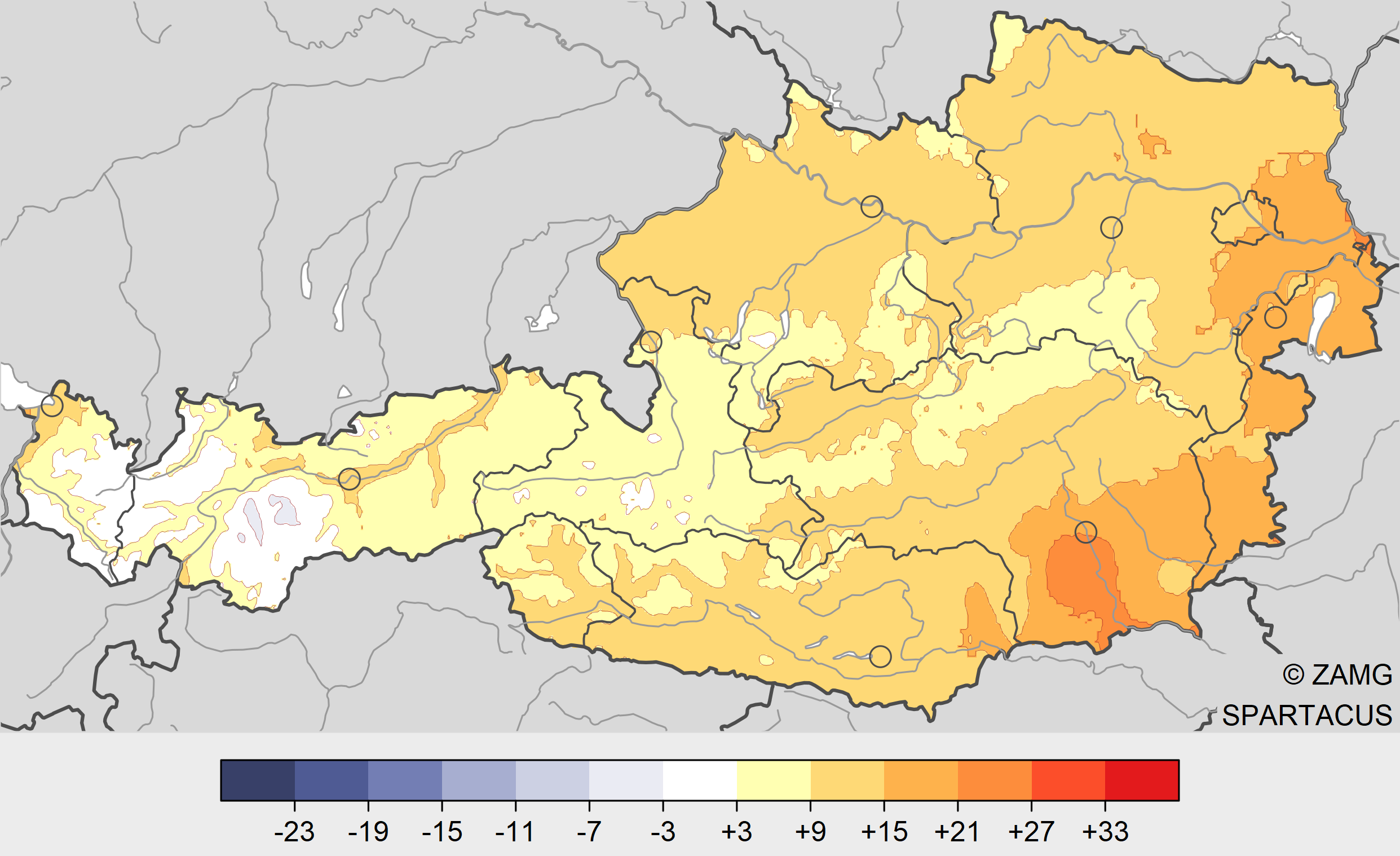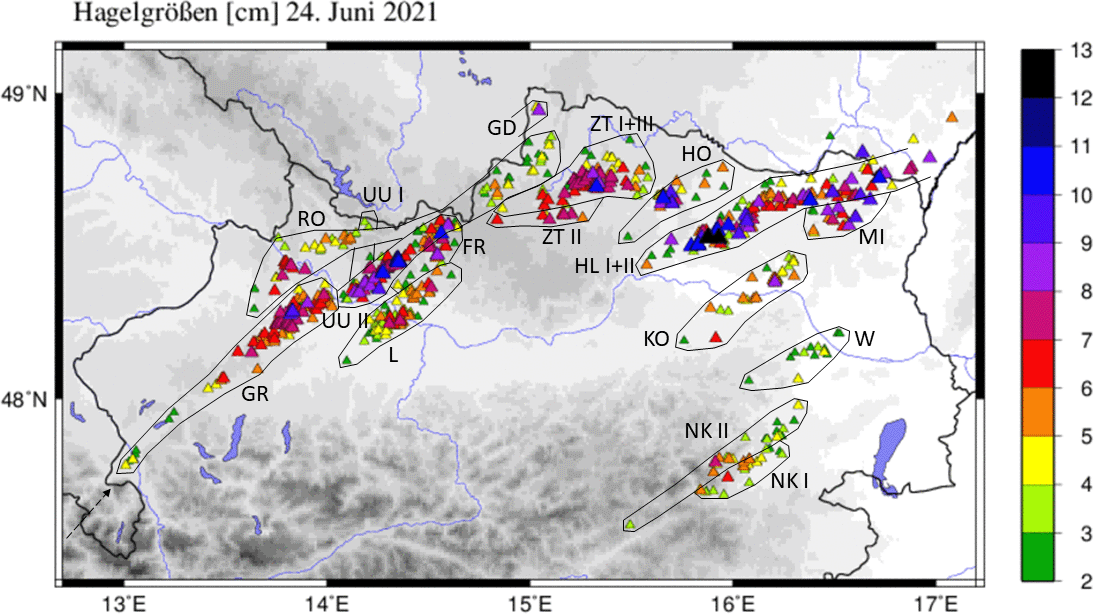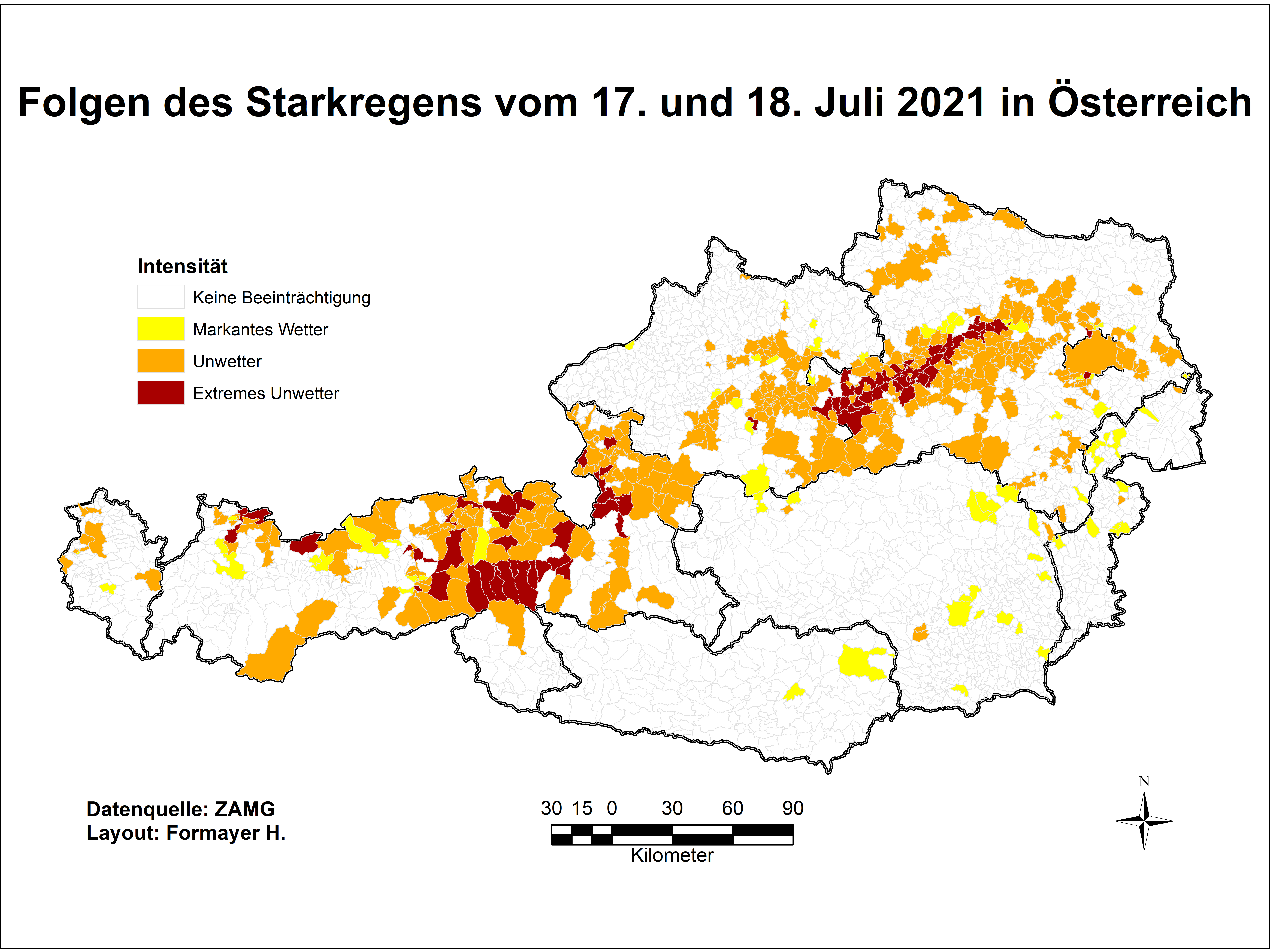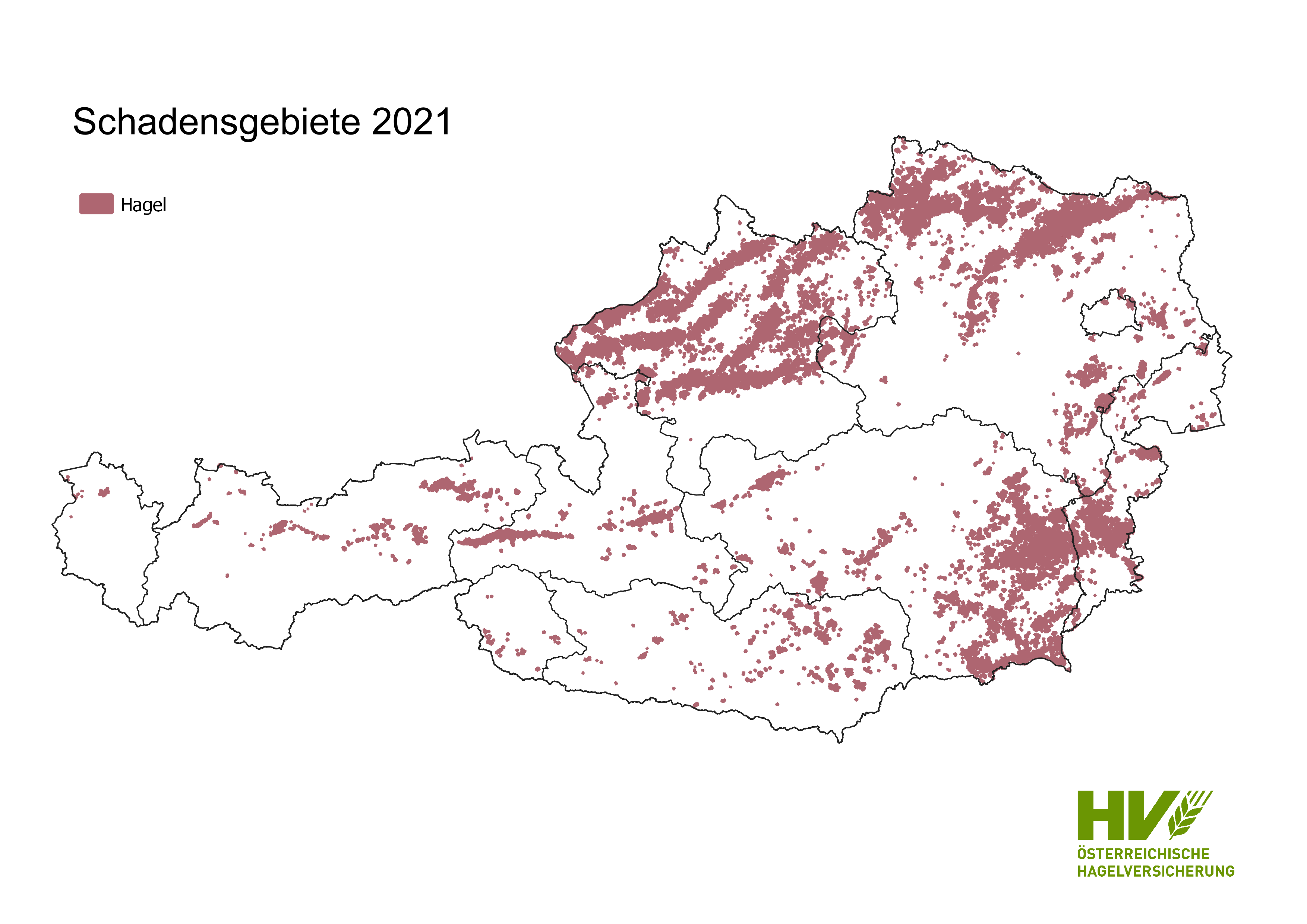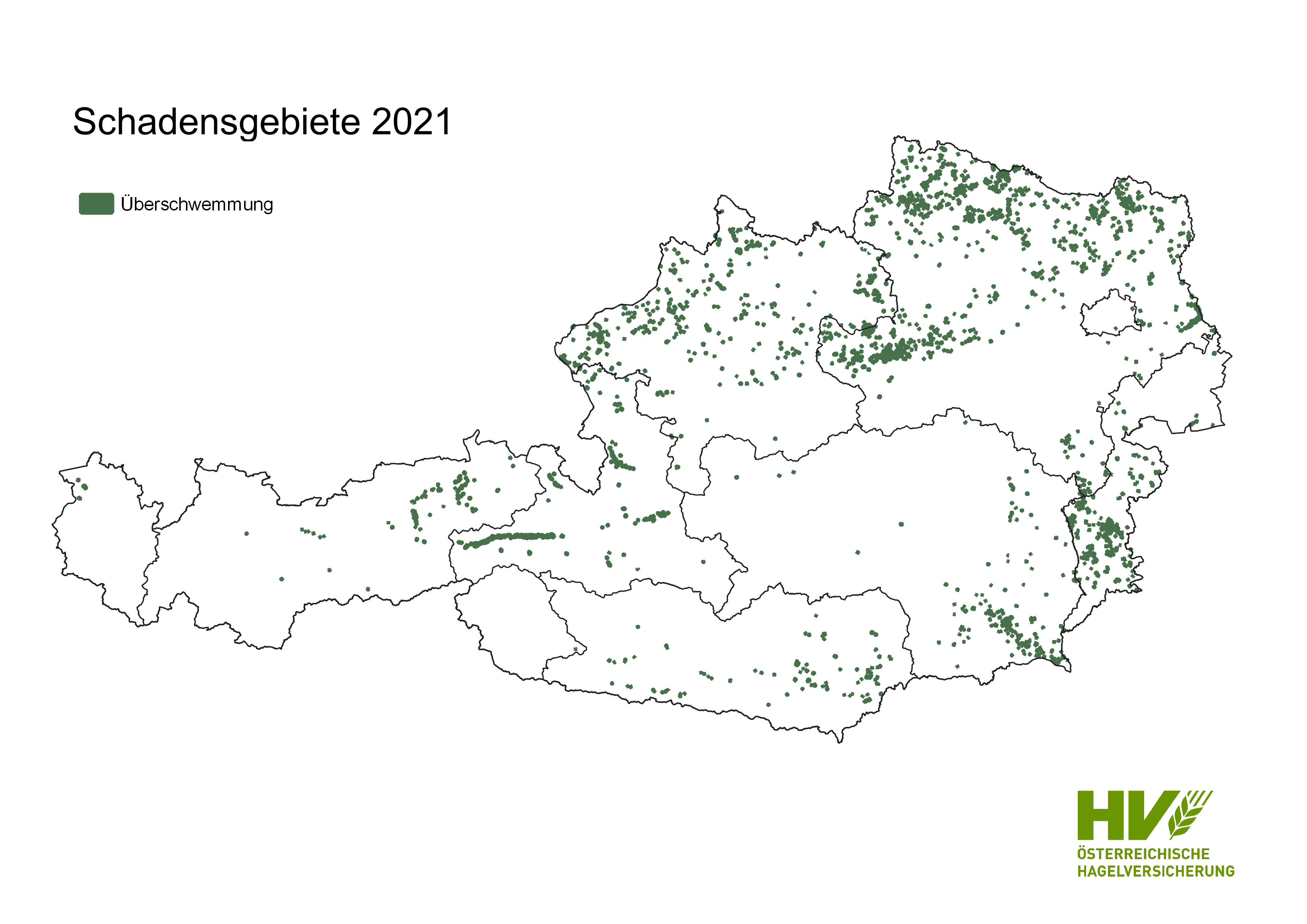


In 2021, the Austrian population was severely affected by local, intense thunderstorms. Local thunderstorms are not only difficult to predict, they also frequently cause major damage in combination with hail, storms, flooding, or mudslides. Flash floods in particular, triggered by local heavy rainfall events and capable of occurring away from bodies of water, pose a major challenge for those affected and emergency services alike, due to their difficulty to forecast and high damage potential.
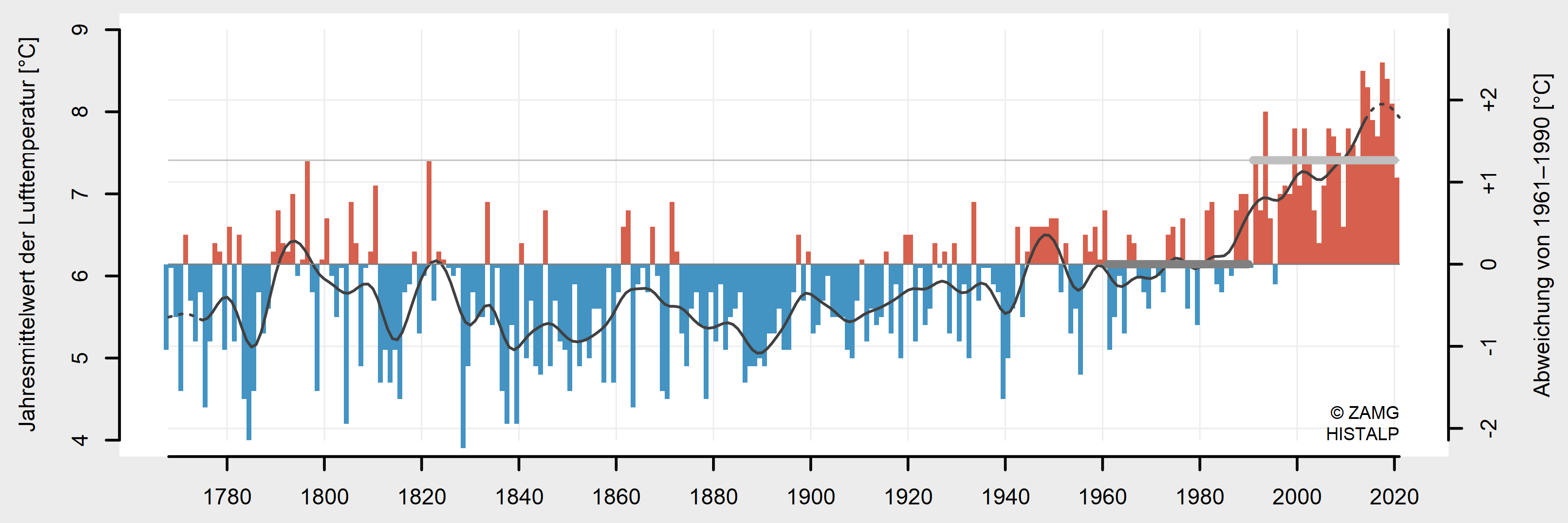
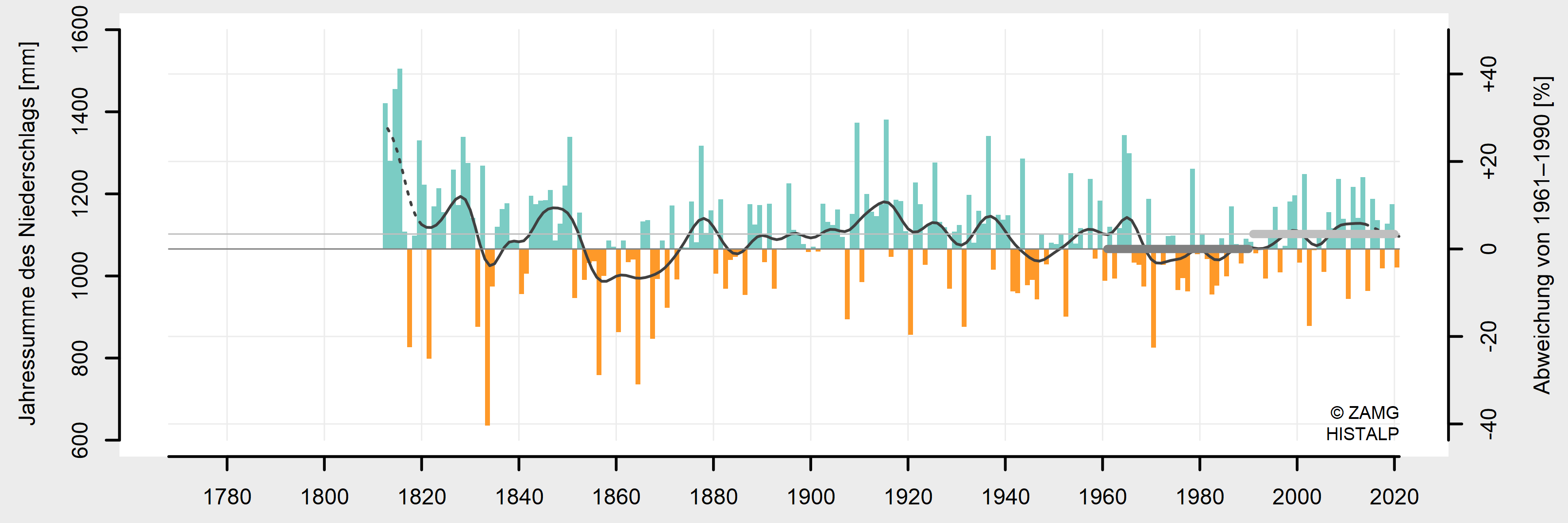
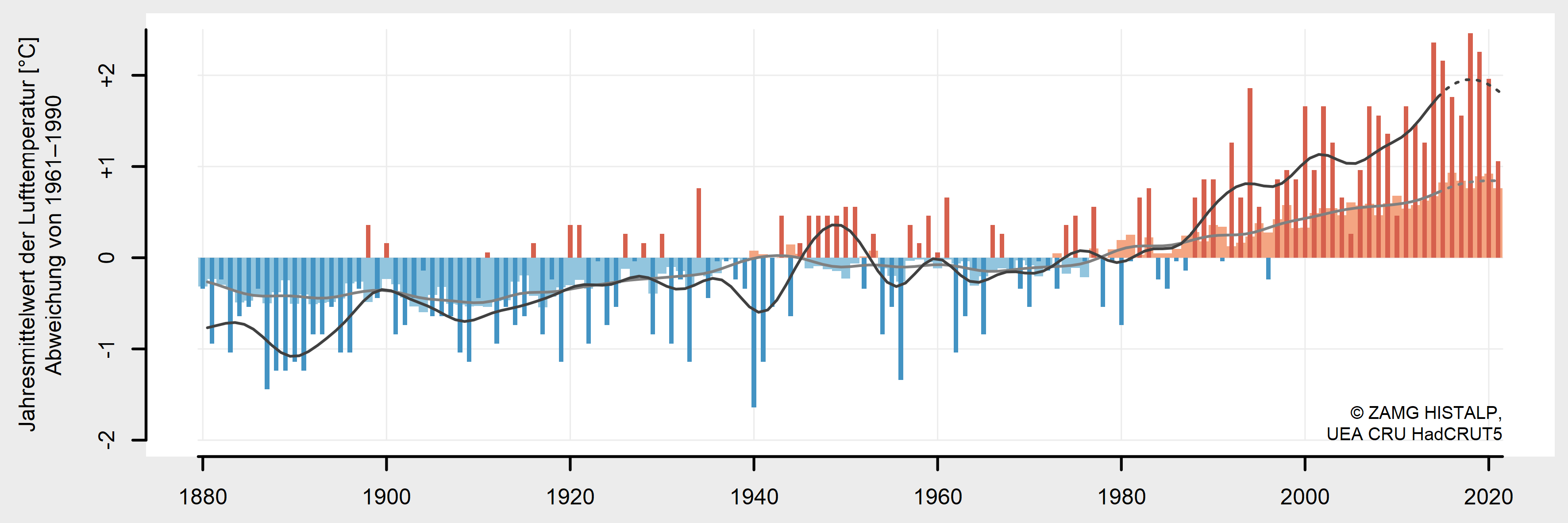
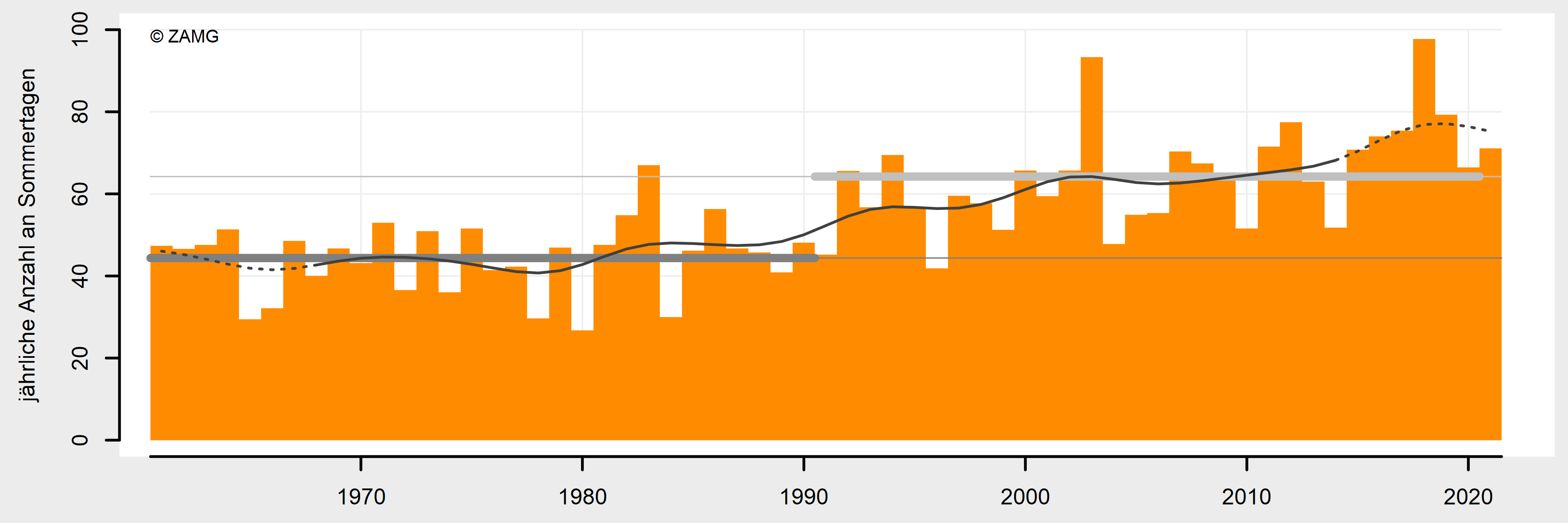
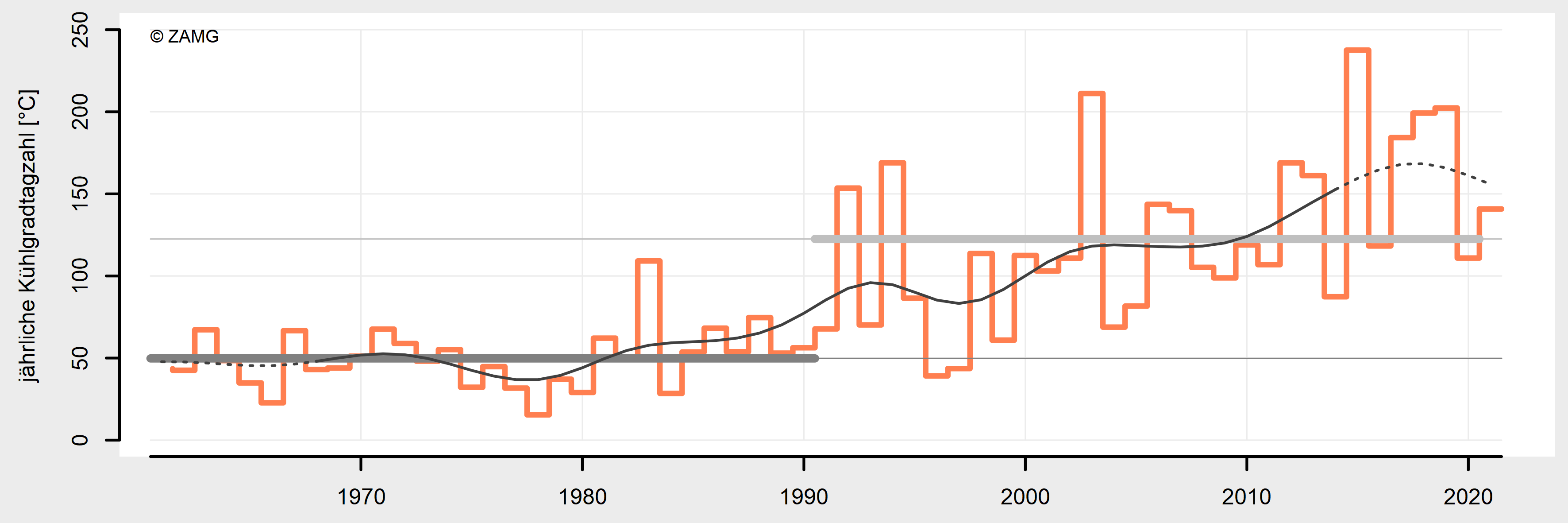
The intensity and frequency of small-scale heavy precipitation events are on the rise in Austria as the climate warms. By the end of the 21st century, a further increase in severe, damage-causing thunderstorms in Austria is to be expected. This increase will be all the more pronounced the more greenhouse gases are emitted.
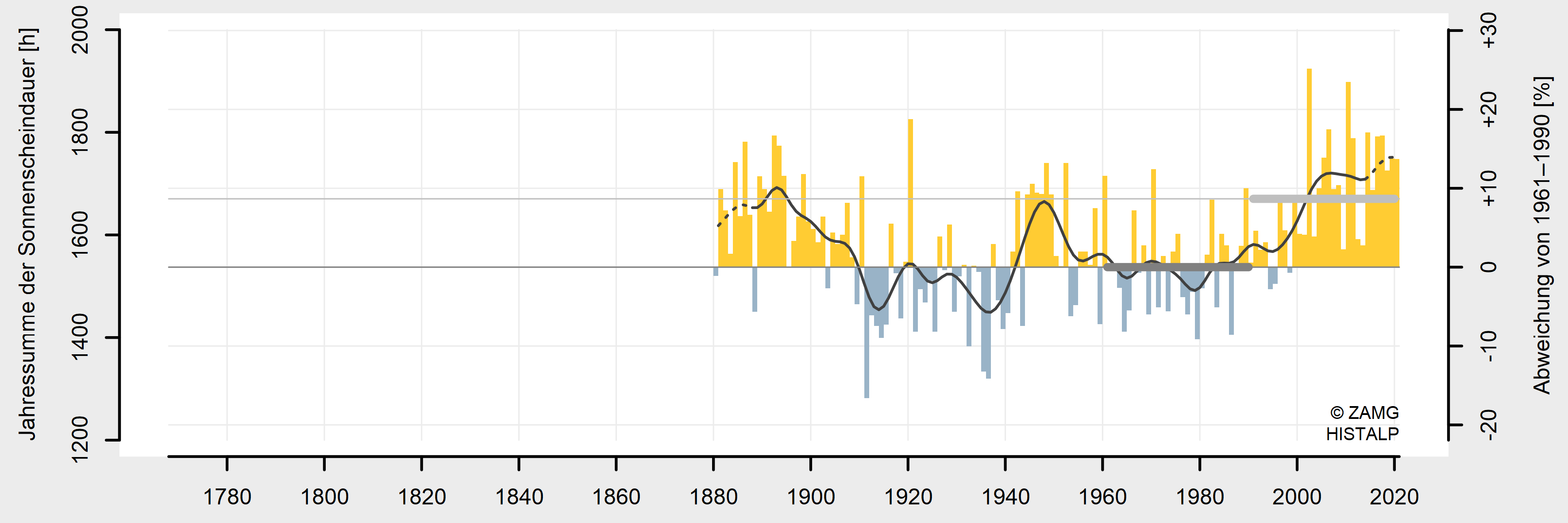
The extent of the damage caused by thunderstorms in the summer of 2021, and how these extreme weather events relate to climate change, is shown in this year's Austrian Climate Status Report 2021. The report not only addresses the impact on the Austrian population, but also looks at what adaptation options and courses of action are available to prevent or mitigate the negative consequences of heavy rainfall events. Finally, it includes a compilation of further resources (guidelines, fact sheets, research projects, etc.) on adaptation and precautionary measures.
The climate review has also been prepared for all nine federal provinces:
Burgenland, Carinthia, Lower Austria, Upper Austria, Salzburg, Styria, Tyrol, Vorarlberg, Vienna