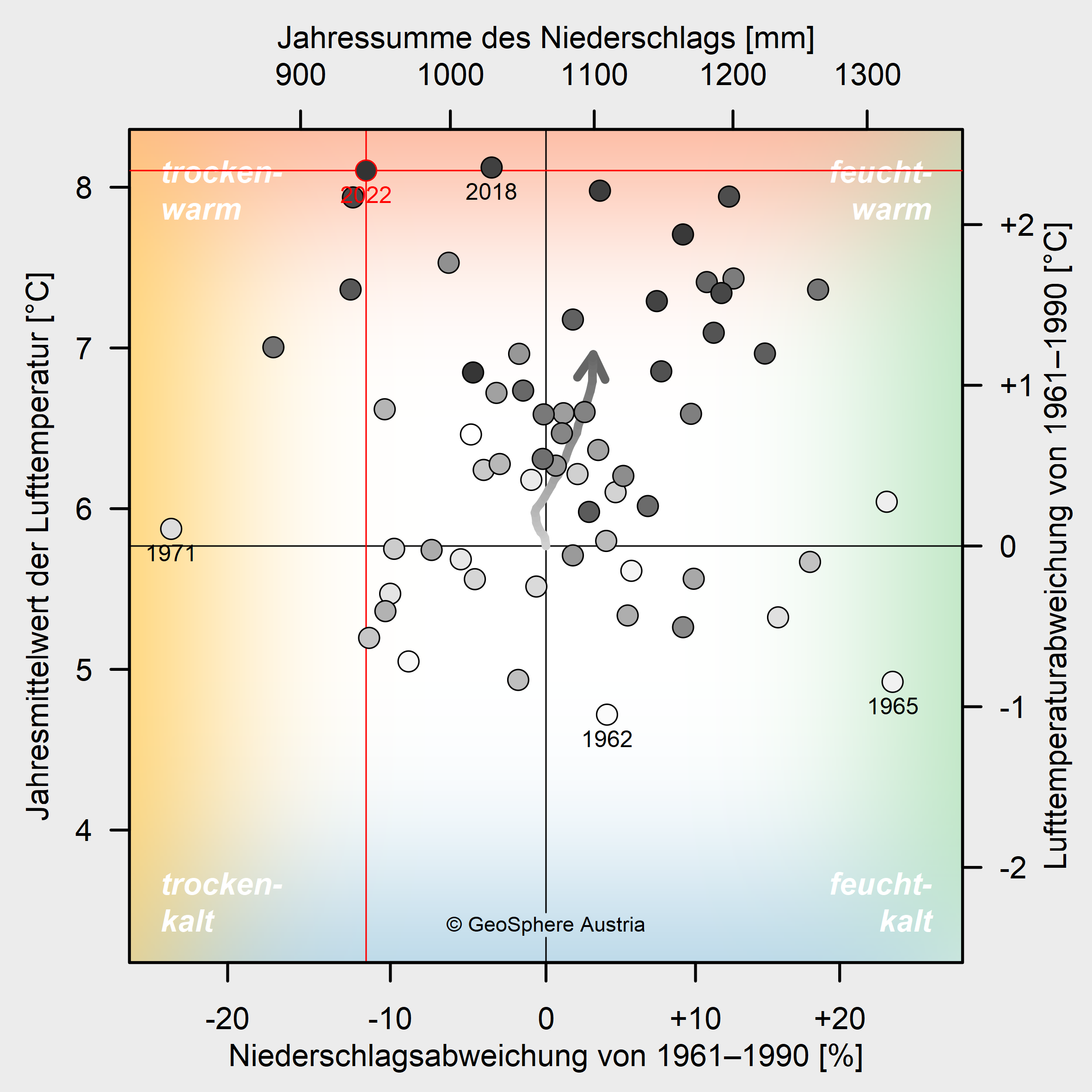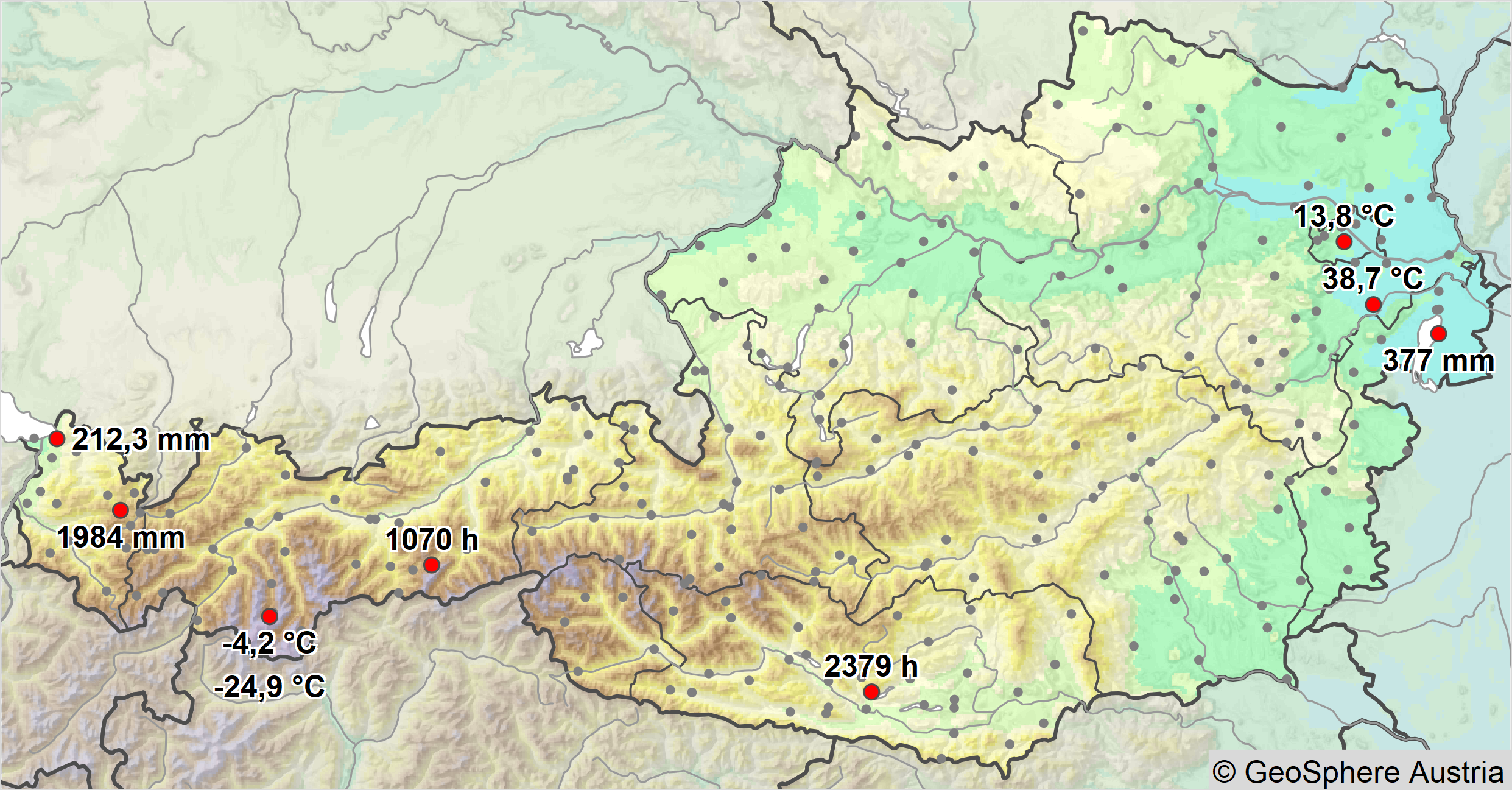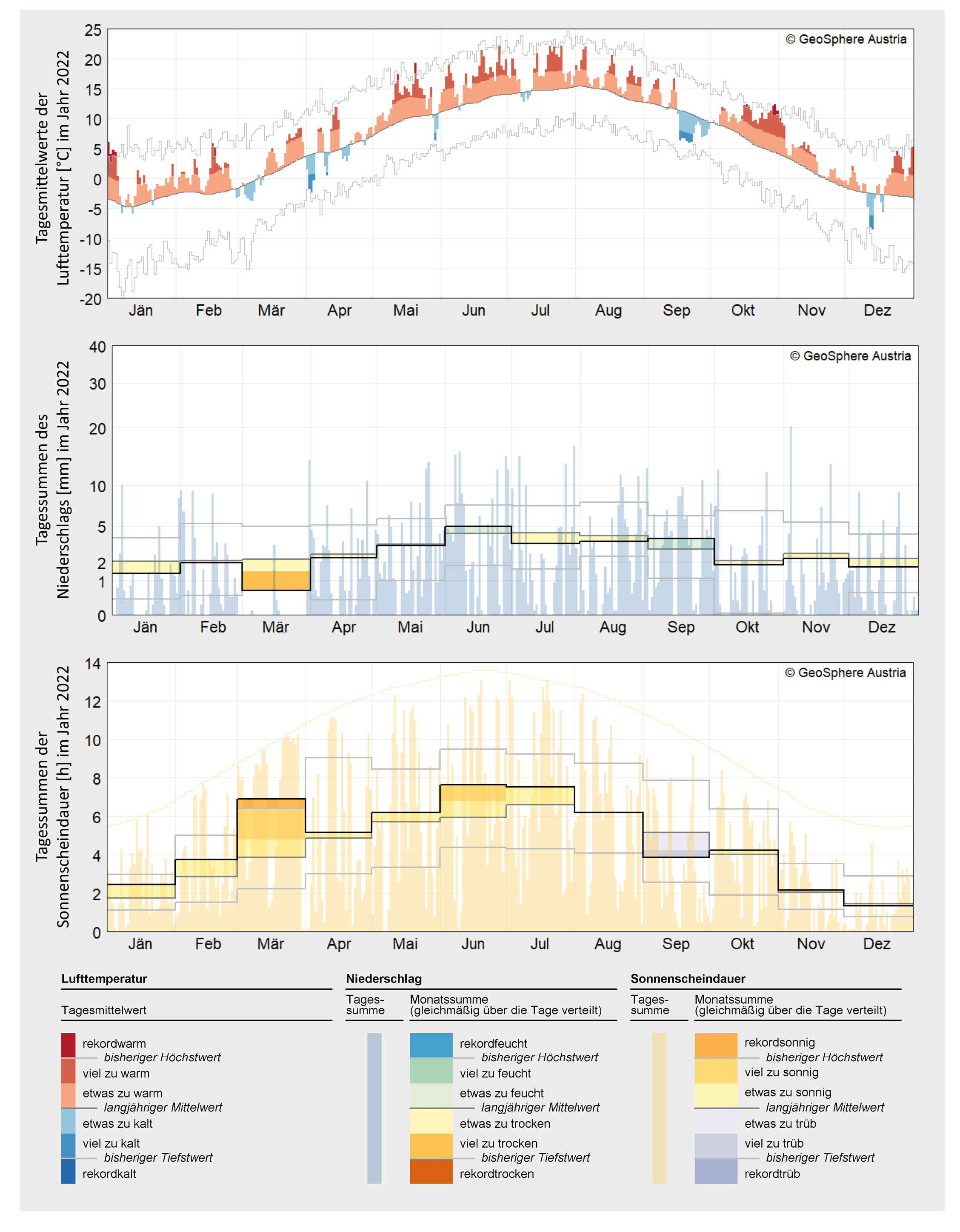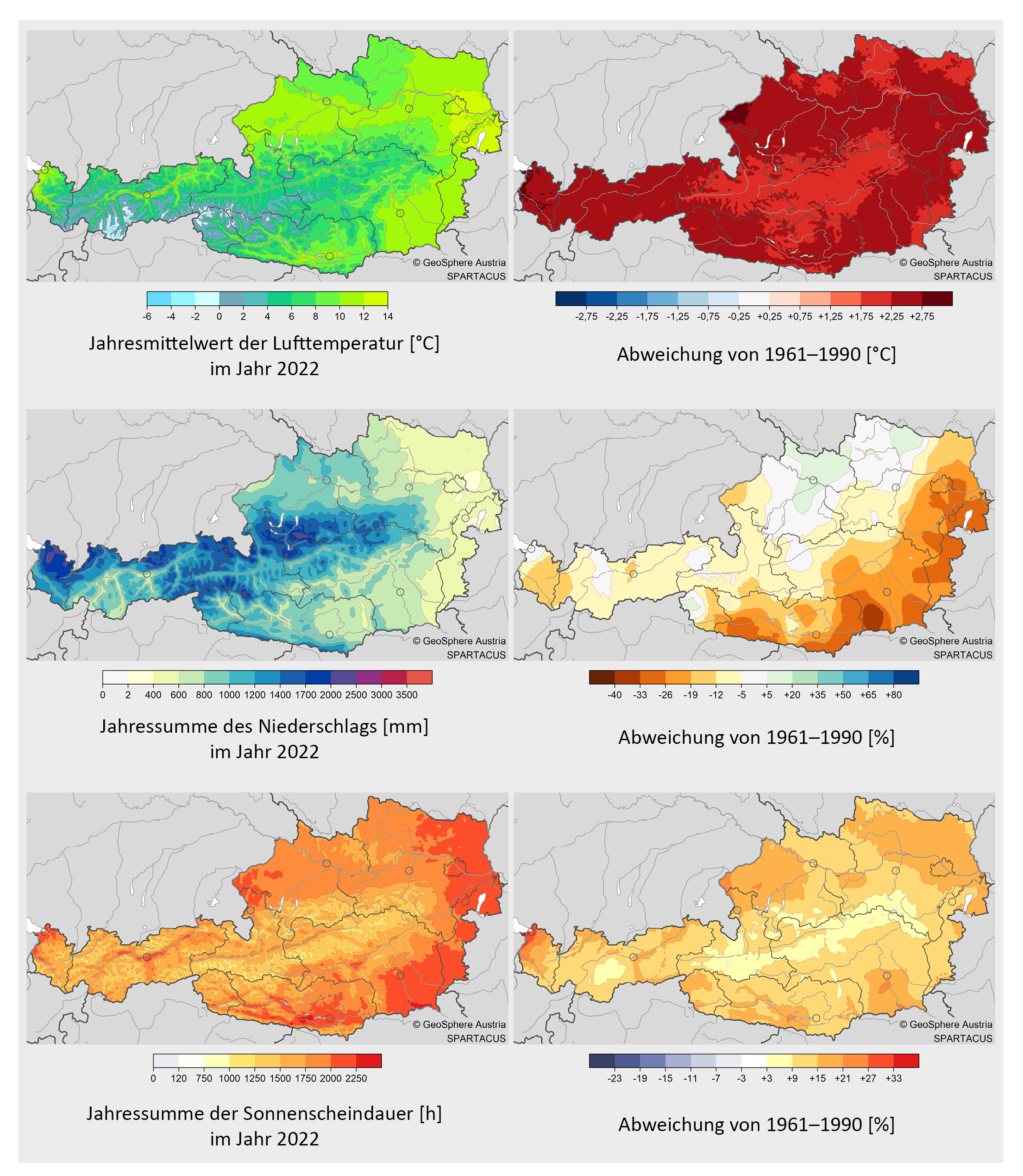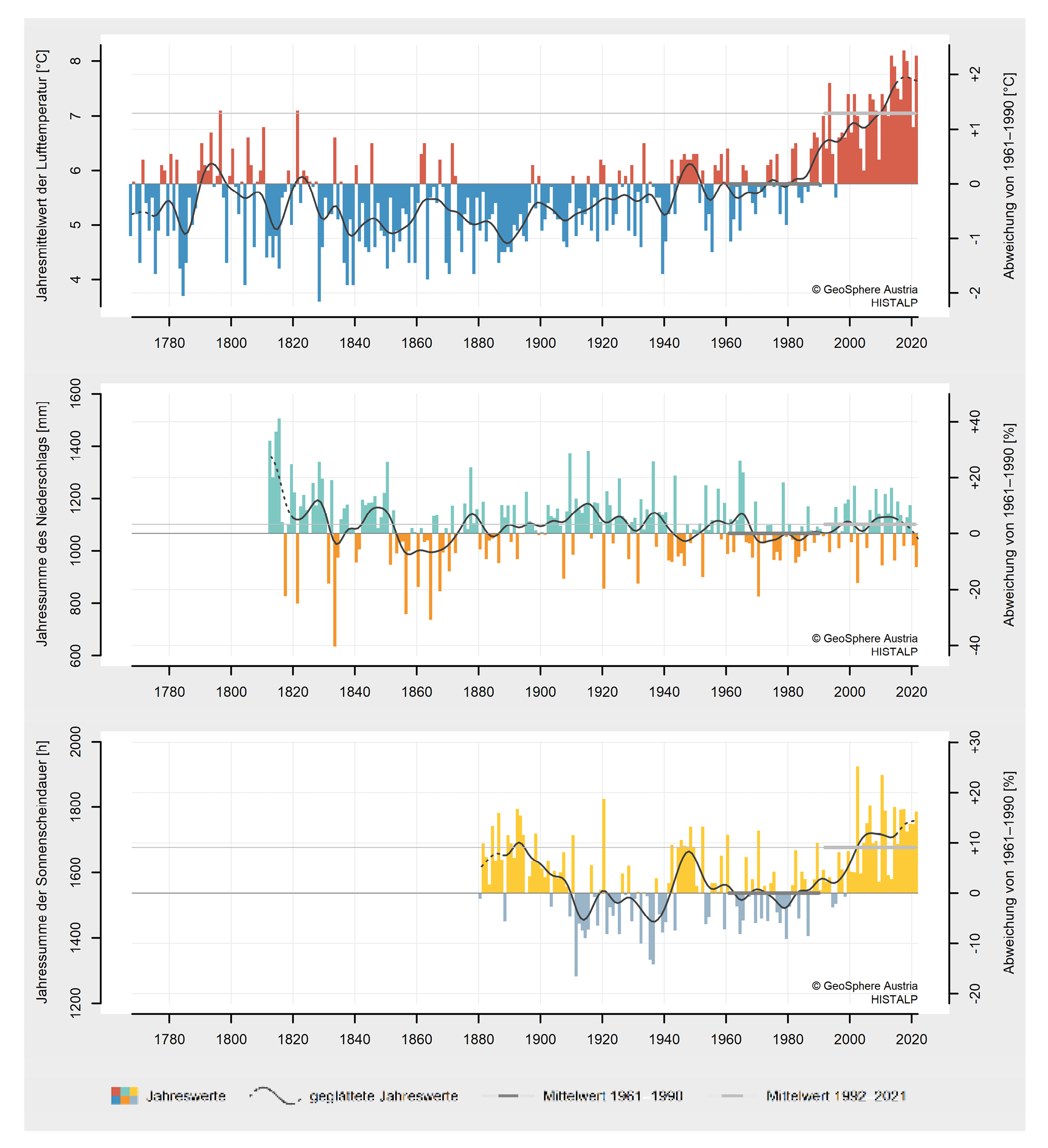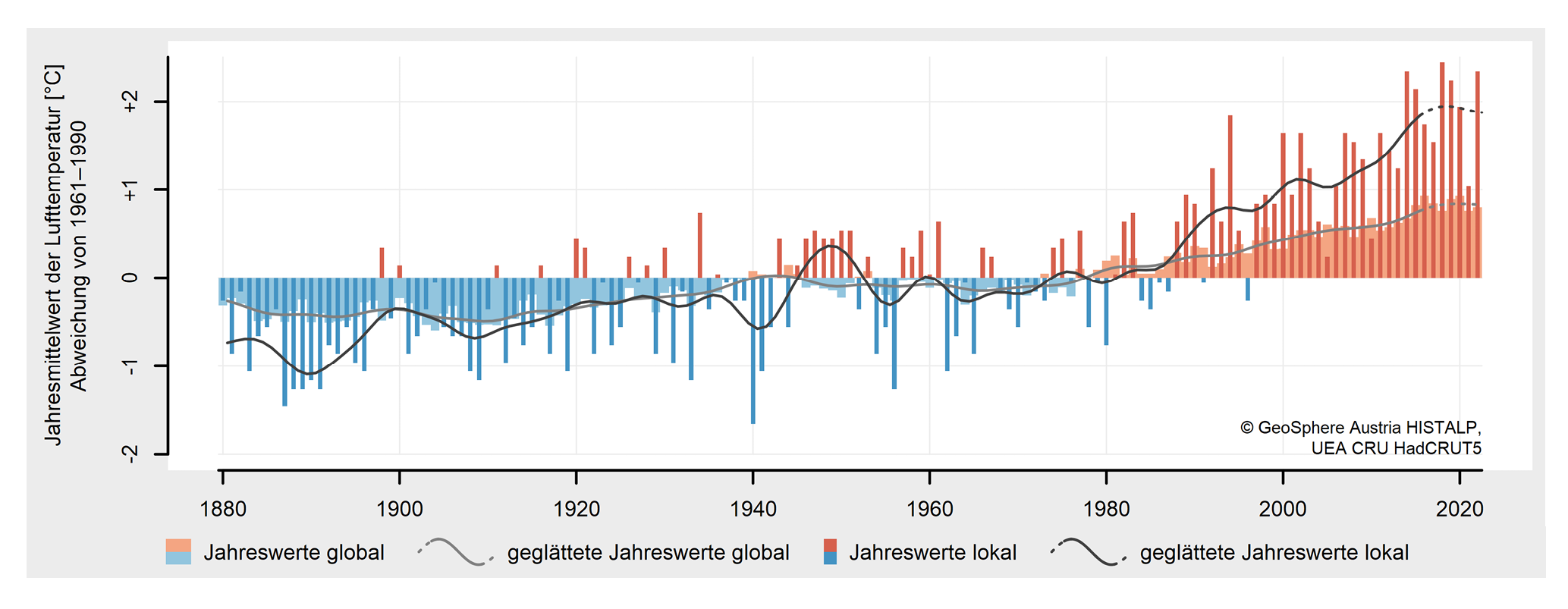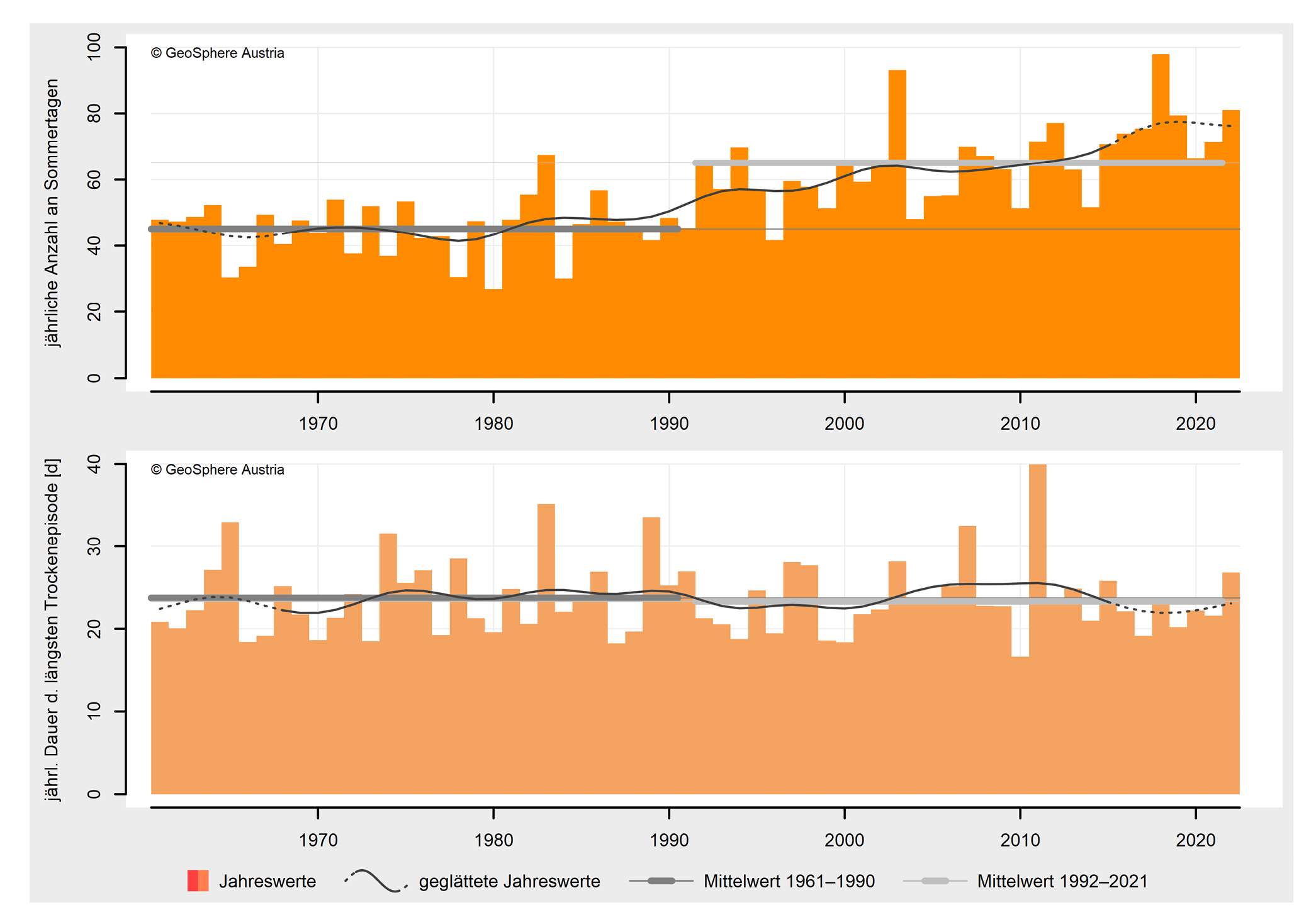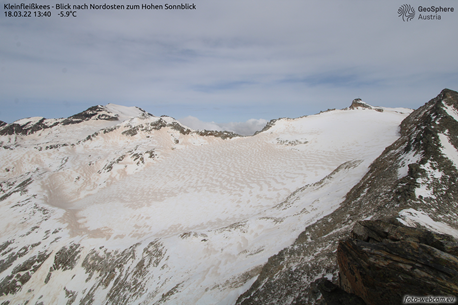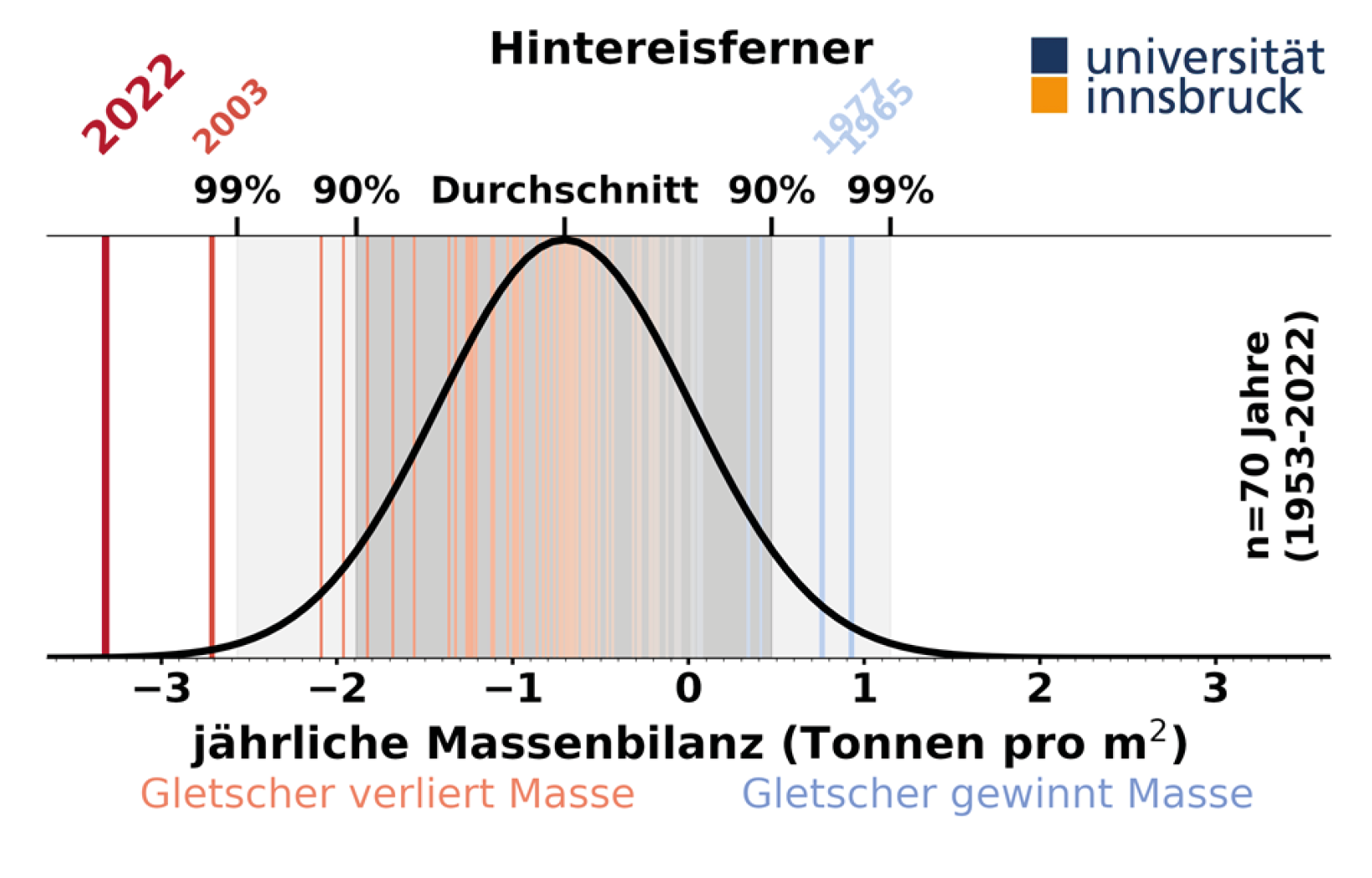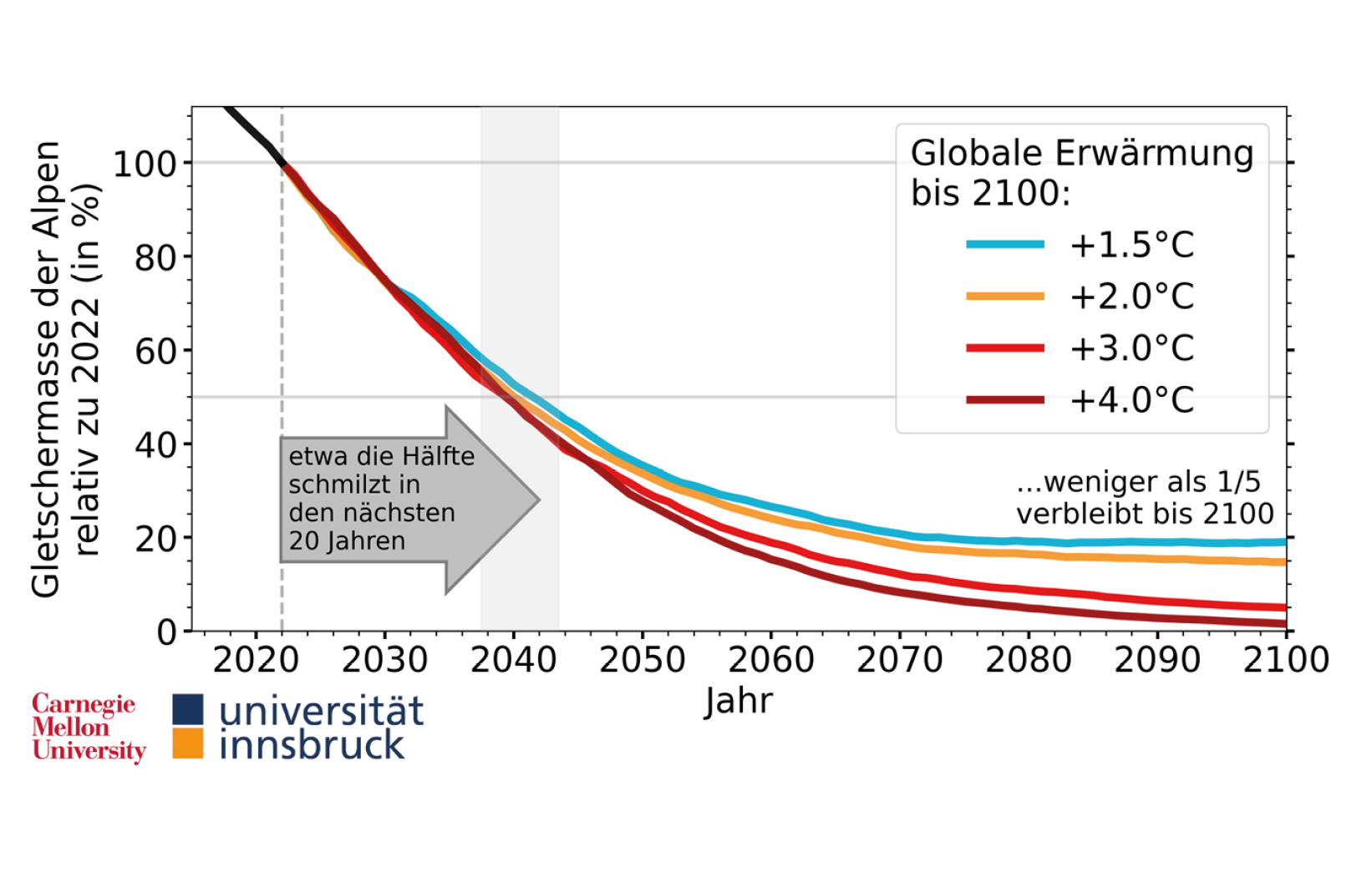


In the summer of 2022, Austrian glaciers lost around twice as much mass as the average over the last 30 years. According to GeoSphere Austria's climate balance, 2022 was the warmest year on record in the mountains. On top of that, 2022 was one of the sixteen driest and eight sunniest years since measurements began — a pretty unfavourable combination for our glaciers.
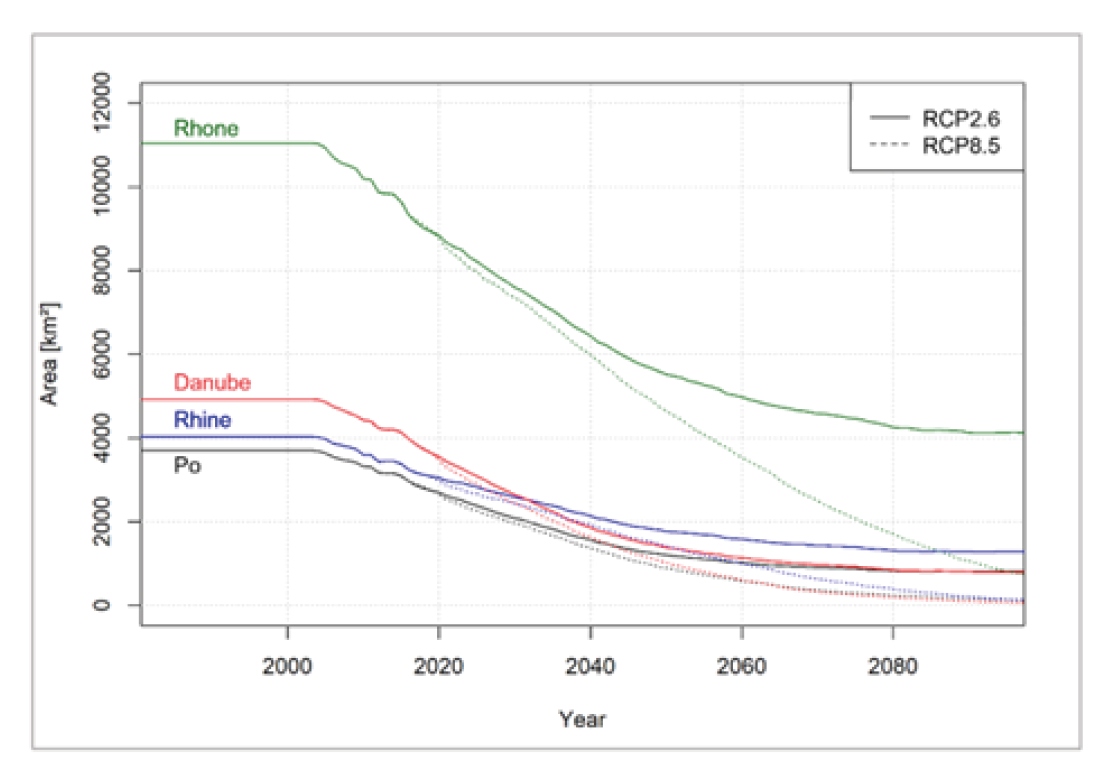
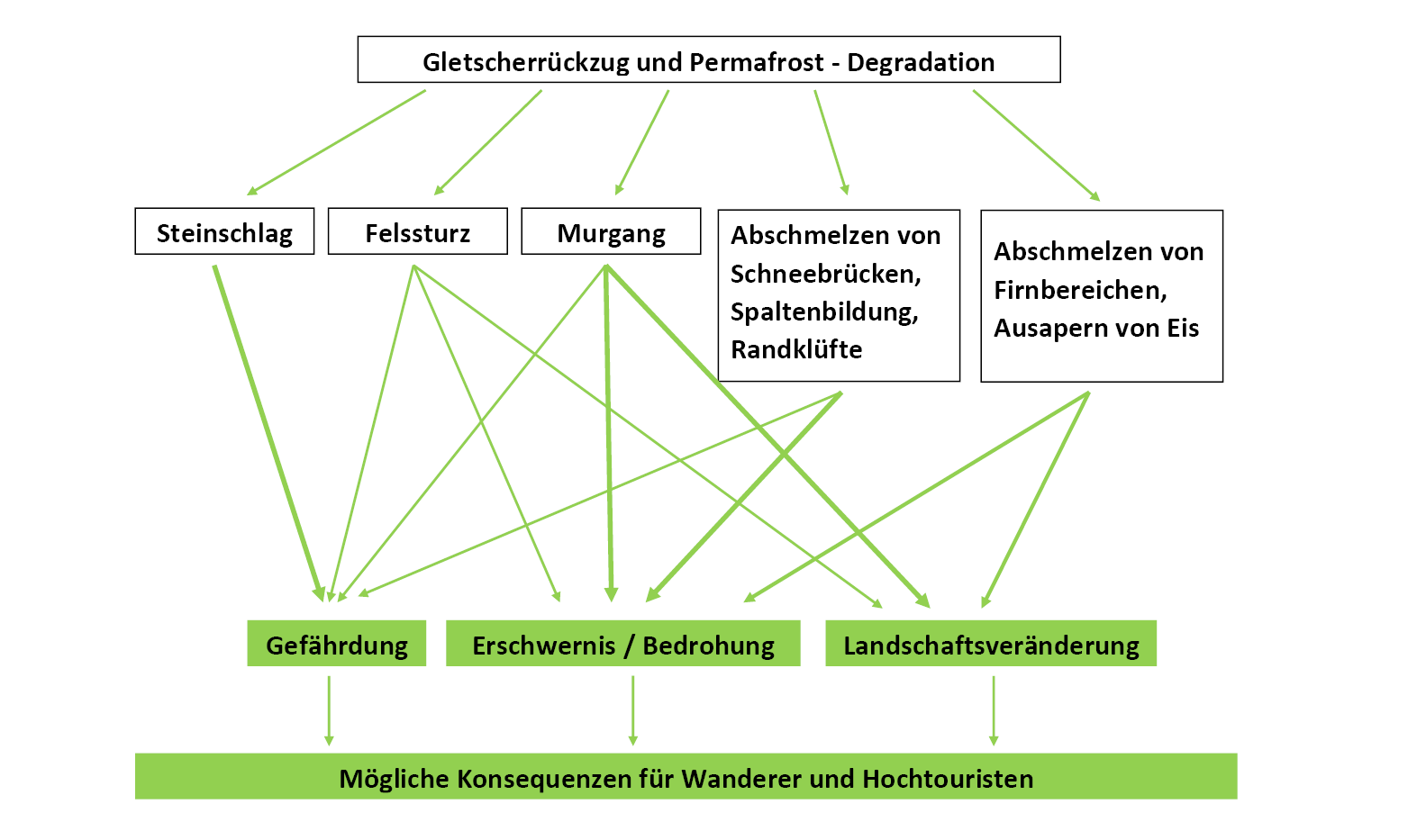
This year's Climate Status Report 2022 highlights what the melting of glaciers means for Austria. It's not just about a change in the landscape and consequences for (ski) tourism. The impacts are also being felt far beyond the high mountains. Glaciers and permafrost stabilise the ground in alpine areas. Melting ice and thawing permafrost soils can lead to rockfalls and debris flows, which pose a threat not only to alpine infrastructure but also to permanent settlement areas. In addition, mountain landscapes play an important role in the water cycle through snowmelt and glacial melt, and consequently for water and energy management. As glaciers shrink, there will be significant changes in meltwater volumes, as well as in water quality and the ecology of watercourses in mountain streams and downstream rivers. The Climate Status Report looks at what adaptation options and courses of action are available to prevent or mitigate negative impacts in the most severely affected areas.
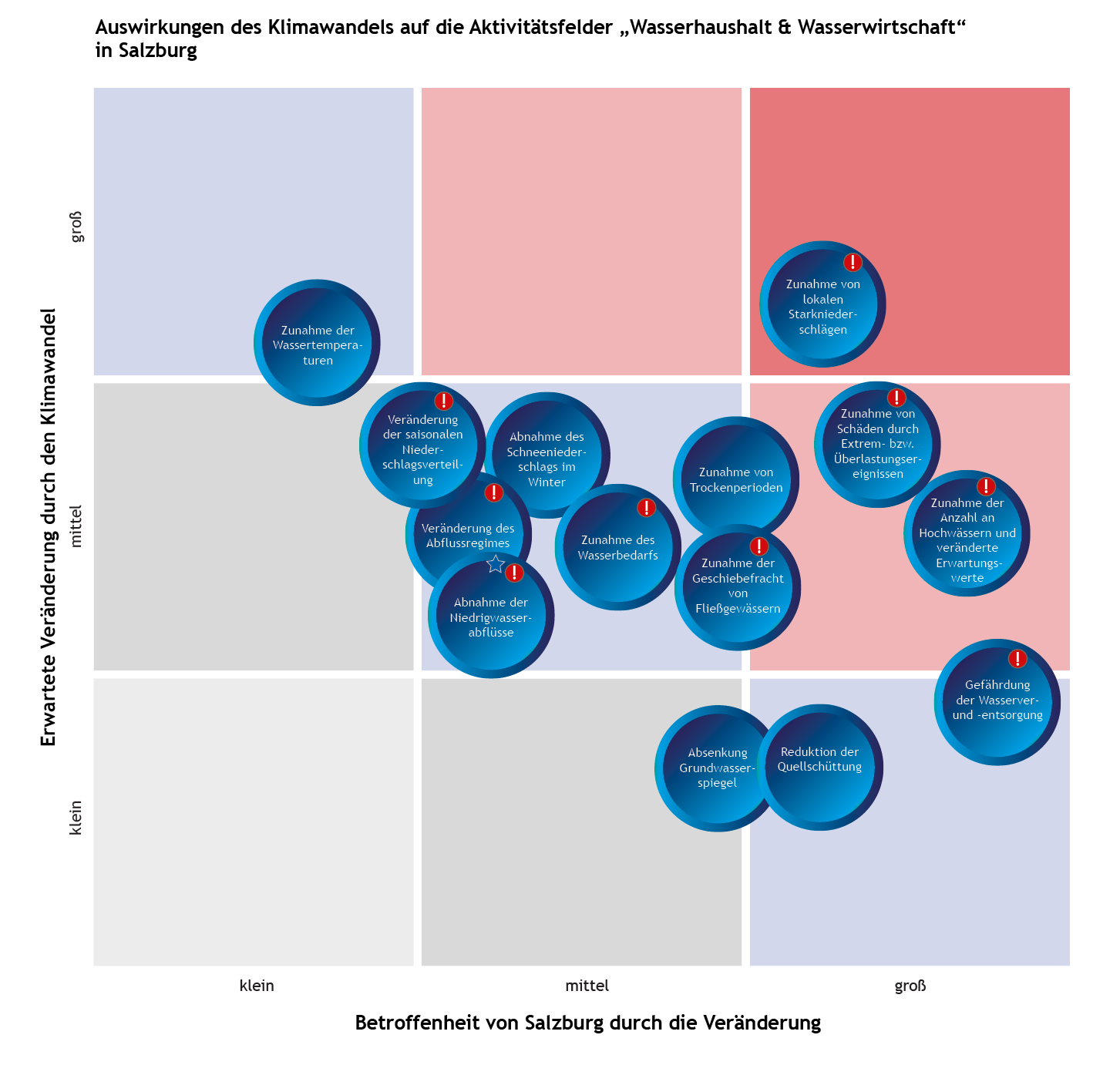
The climate review has also been compiled for all nine federal provinces:
Burgenland, Kärnten, Niederösterreich, Oberösterreich, Salzburg, Steiermark, Tirol, Vorarlberg and Wien
The annually published Climate Status Report Austria is produced on behalf of the Climate and Energy Fund as well as all nine federal provinces by the Climate Change Centre Austria (CCCA) in collaboration with GeoSphere Austria (GSA) and the University of Natural Resources and Life Sciences (BOKU), with the involvement of numerous other research institutions.