

21st Austrian Climate Day "Clash of Cultures? Climate Research Meets Industry!"
12–13 April 2021, online
After the anniversary year 2019 (20th Climate Day) and COVID-related postponements in 2020, the 21st Austrian Climate Day once again had a special character. It took place on 12–13 April for the first time in cooperation with the Montanuniversität Leoben (MUL), one of the newest member organisations of the Climate Change Centre Austria (CCCA), in a digital format. This year the format attracted over 200 participants from science, research funding, politics & public administration, and business & industry to a virtual exchange.
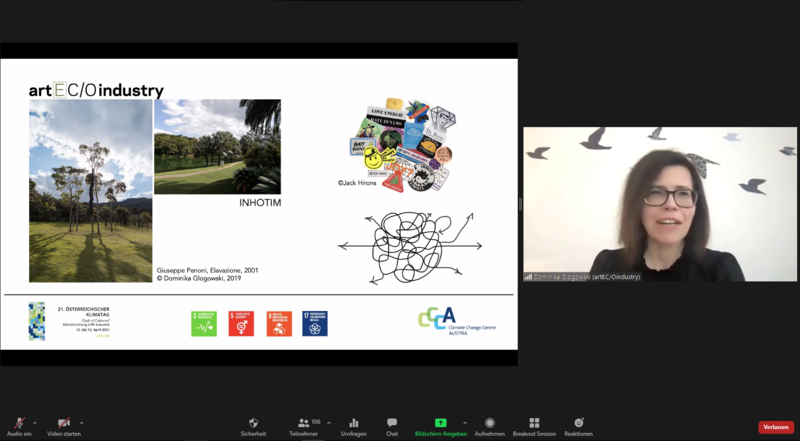
As the university city of Leoben is often also referred to as an industrial city, this year's Climate Day was held entirely under the motto "Clash of Cultures? Climate Research Meets Industry?". MUL provided the ideal setting for this: as one of the TU Austria universities, it brings together, among other things, technology with science and all areas of raw materials science. Sustainability research is also gaining ever greater importance, not least through the establishment of the Resources Innovation Center Leoben (ric-Leoben).
Together with the programme committee, co-organisers, and funders, an attractive conference programme was put together for the first-ever online edition of the Climate Day, which also included time for (virtual) networking. In addition to the five scientific sessions Cities & Municipalities, Impacts & Observations, Mitigation, Energy and Adaptation, ACRP research activities funded by the Climate and Energy Fund were once again presented in the presence of the ACRP Steering Committee.
Opening, Keynote and Discussion
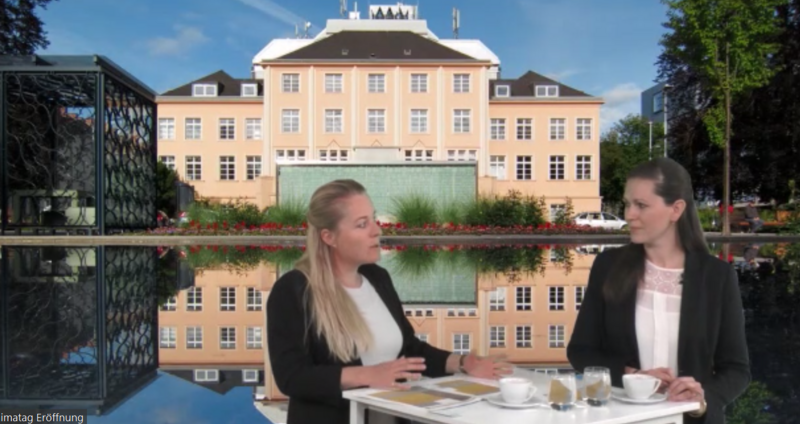
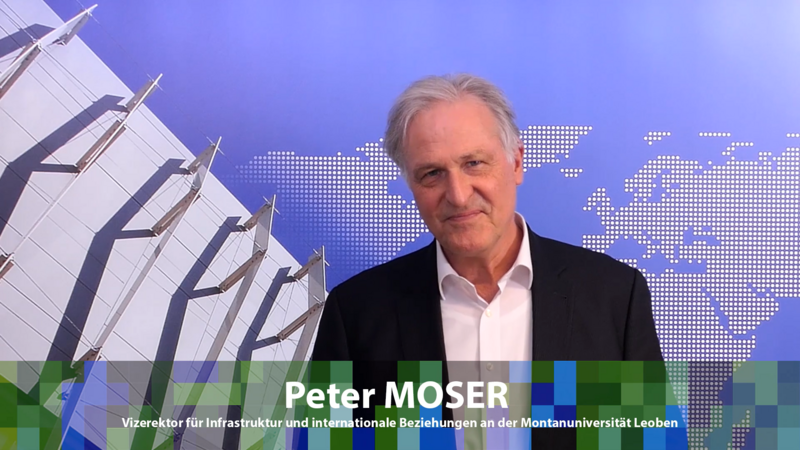
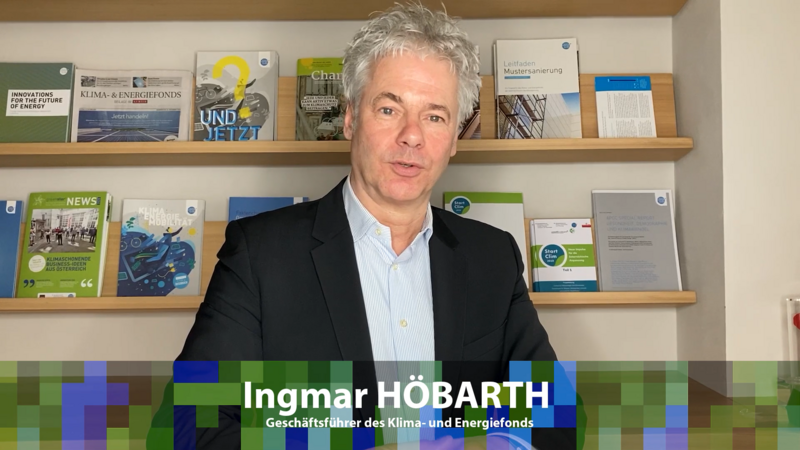
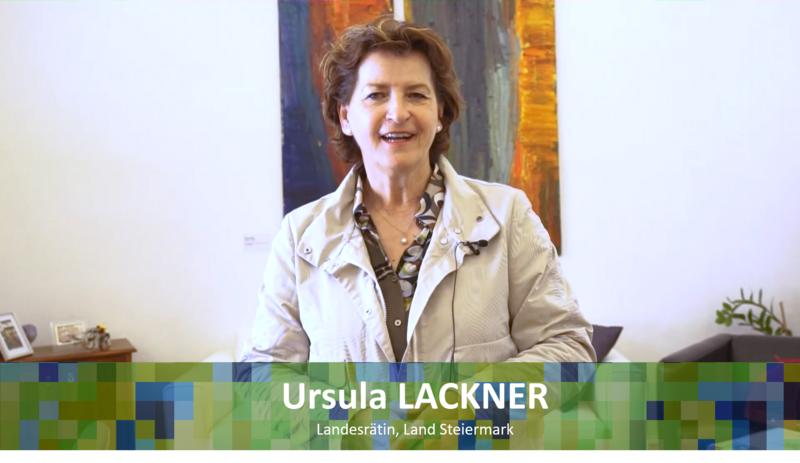
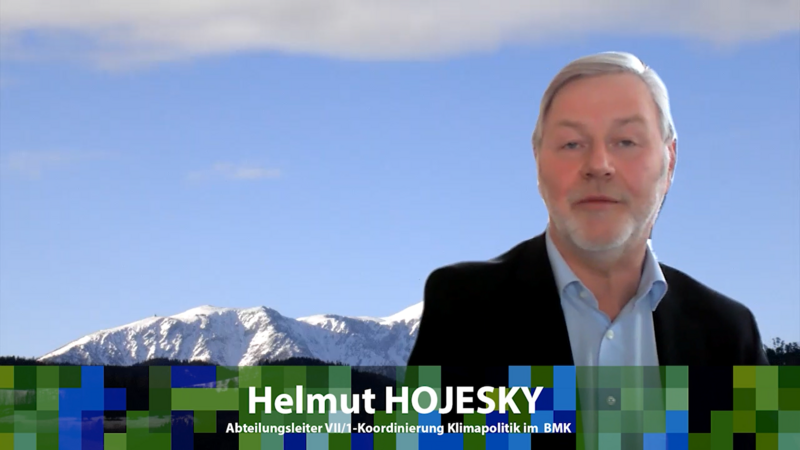
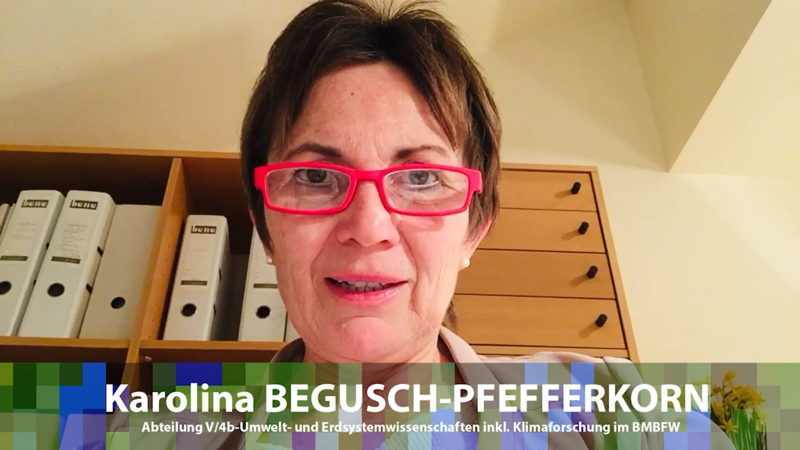
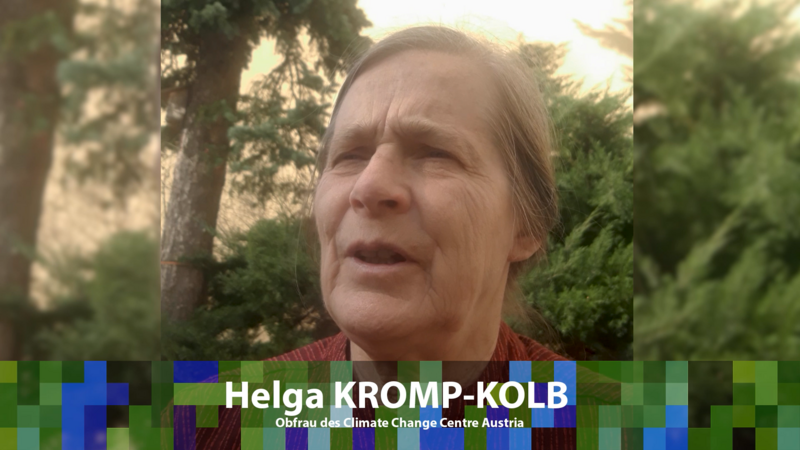
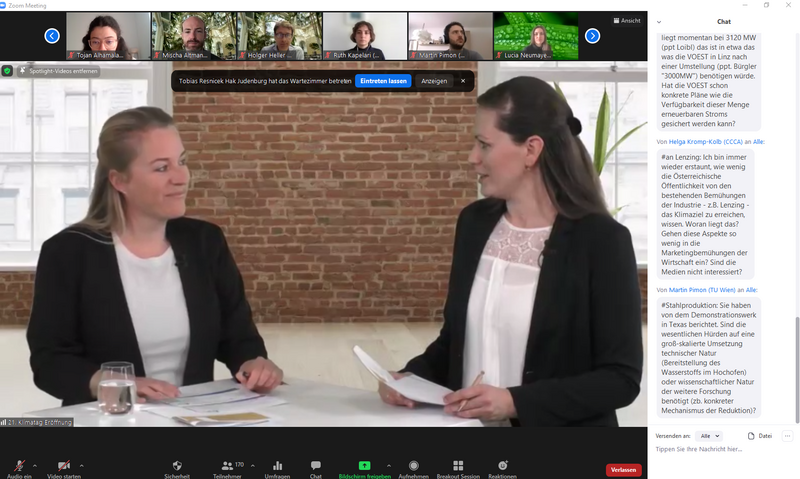
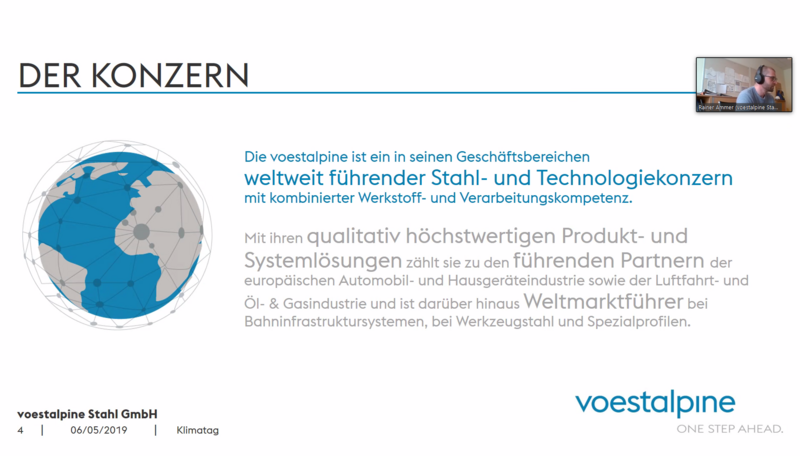
Before the scientific sessions got underway on 12 April, the official opening with Peter Moser (MUL), Ingmar Höbarth (Climate and Energy Fund), Ursula Lackner (State of Styria), Helmut Hojesky (BMK), Karolina Begusch-Pfefferkorn (BMBWF) and Helga Kromp-Kolb (CCCA) was followed by the keynote and subsequent discussion, which was very much in keeping with the theme of the 21st Climate Day. Speakers included Lukas Meyer (Professor of Philosophy and Head of the Practical Philosophy research unit at the Institute of Philosophy, University of Graz), Thomas Bürgler (Head of R&D Pig Iron and CEO of K1-MET GmbH at voestalpine Stahl GmbH), K. Christian Schuster (Senior Sustainability Expert at Lenzing Aktiengesellschaft), Stefan Moidl (Managing Director of IG Windkraft Austria) and Sigrid Stagl (Founder of the Institute for Ecological Economics and Head of the Department of Socioeconomics at the Vienna University of Economics and Business).
Scientific Sessions
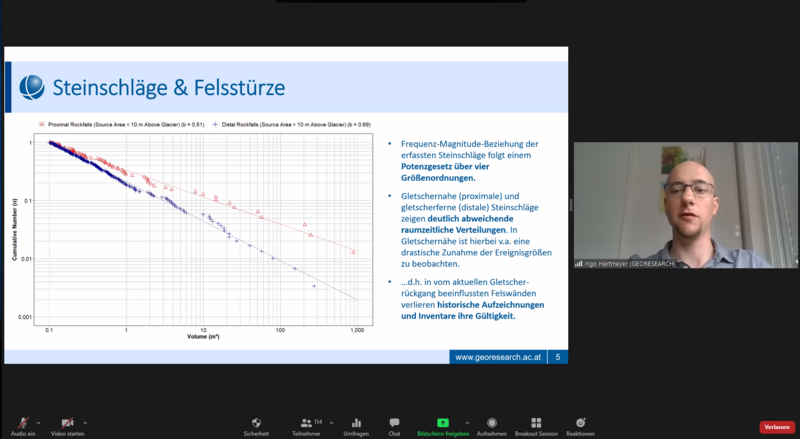
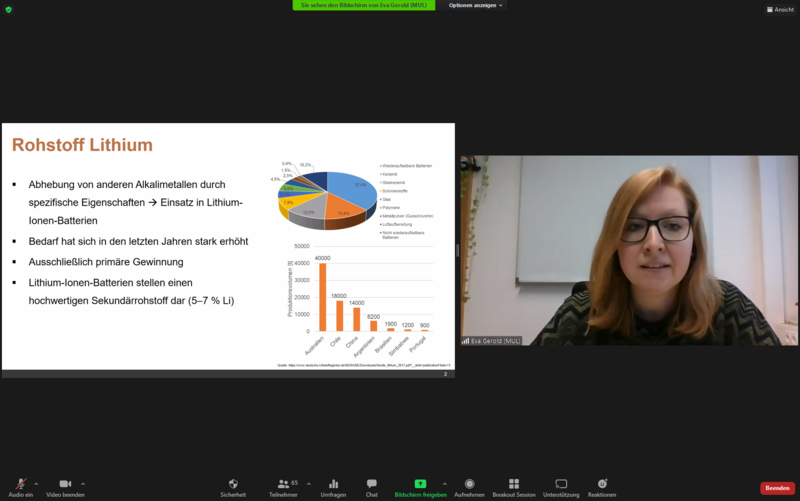
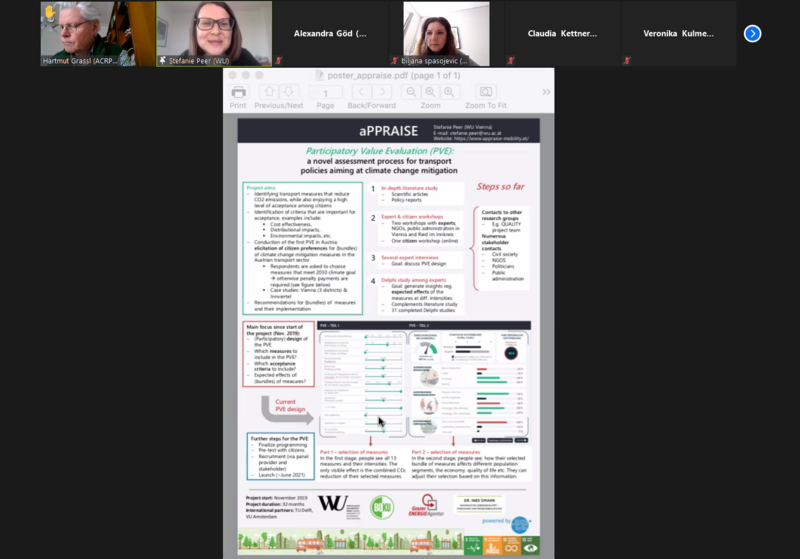
The virtual scientific sessions that followed each consisted of 4 selected presentations on current climate research, including discussion, as well as associated recorded audio poster presentations with a virtual forum for feedback and questions. A highlight this year was the presentation of the Climate Status Report 2020 as part of Session II. On the second conference day, 13 April, the breadth of current findings from Austrian research activities was also presented in an impressive manner.
Participatory Formats
Despite being held online, participatory formats were once again on offer at the Climate Day. Whether it was the workshop for early-career researchers, the workshop with the State of Styria on connecting science and public administration, the workshop for pupils with Klimabündnis Steiermark, or the virtual reception as an evening event in cooperation with the UniNEtZ project — virtual speed dating during the coffee breaks also ensured plenty of networking opportunities.
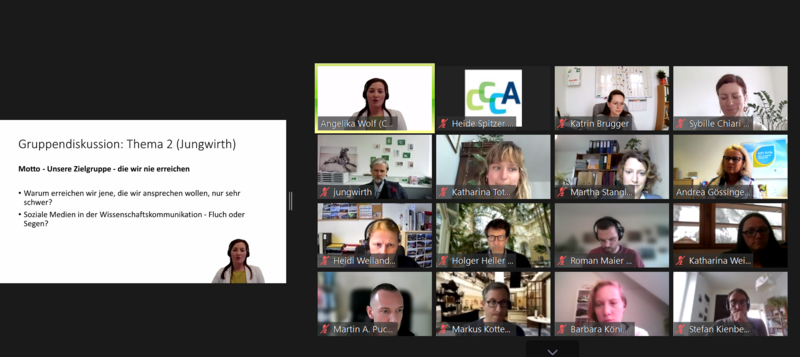
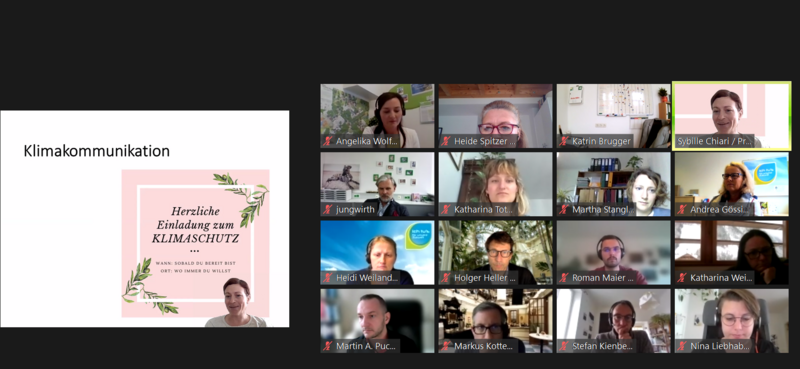
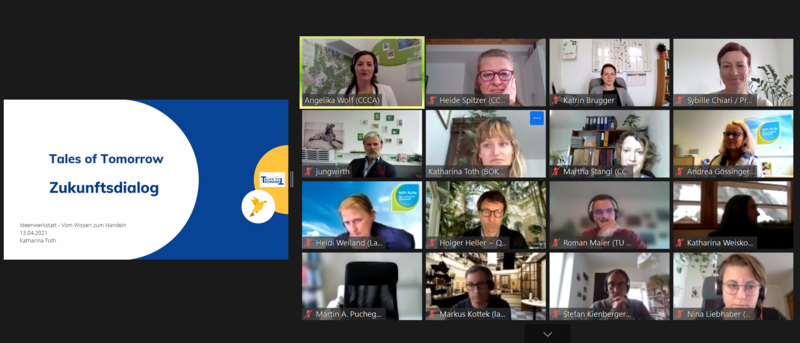
At the workshop with the State of Styria, around 30 experts and multipliers from practice were invited to discuss new approaches and ideas for the (further) development of measures and programmes together with Helmut Jungwirth (University of Graz), Sybille Chiari (Werner Lampert GmbH) and Katharina Toth (BOKU).
The workshop for early-career researchers, led by Thomas Schinko (IIASA), focused — very much in the spirit of the Climate Day motto — on possible career options for researchers in the fields of climate change and sustainability in the private sector. Rainer Ammer (voestalpine Stahl GmbH), Johannes Naimer-Stach (Climate-KIC) and Lil Reif (FFG) were invited to discuss with the approximately 20 participants.
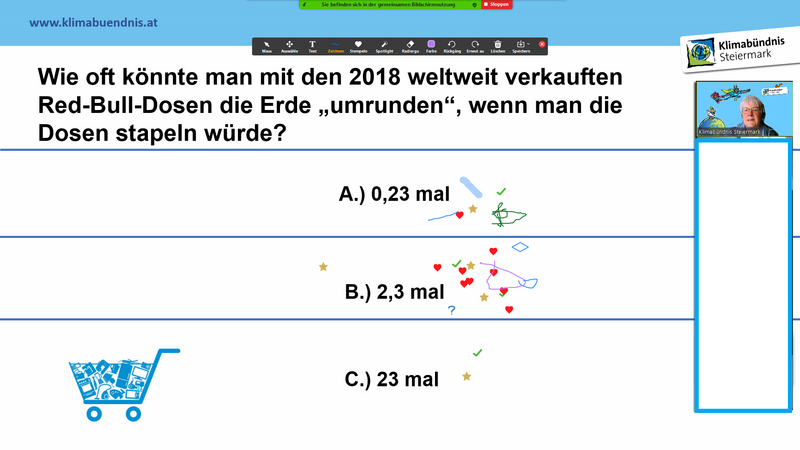
As part of this year's pupils' workshop, 25 pupils from HAK Judenburg first had the opportunity to follow the opening of the 21st Climate Day including the keynotes live. This was followed by a virtual climate quiz in cooperation with Klimabündnis Steiermark, in which the pupils had the chance to test their existing knowledge of climate change and discuss the key themes from the Climate Day opening and keynotes.
Evening Event
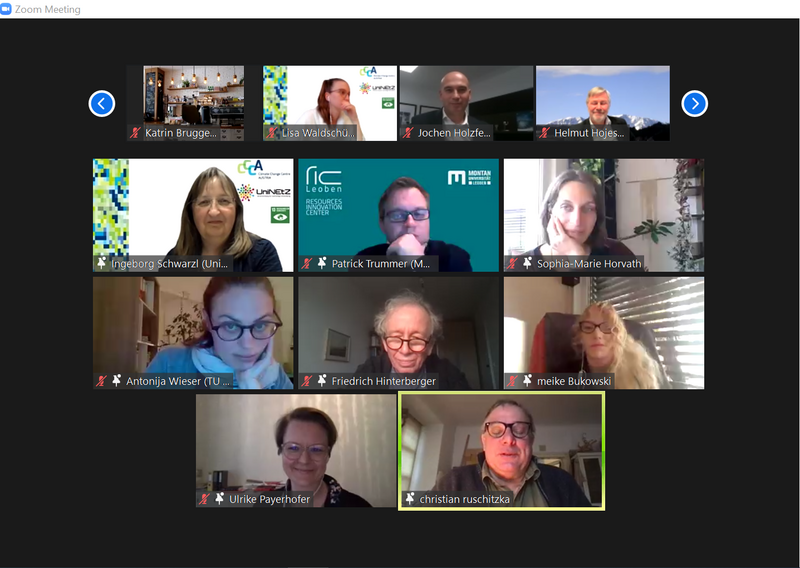
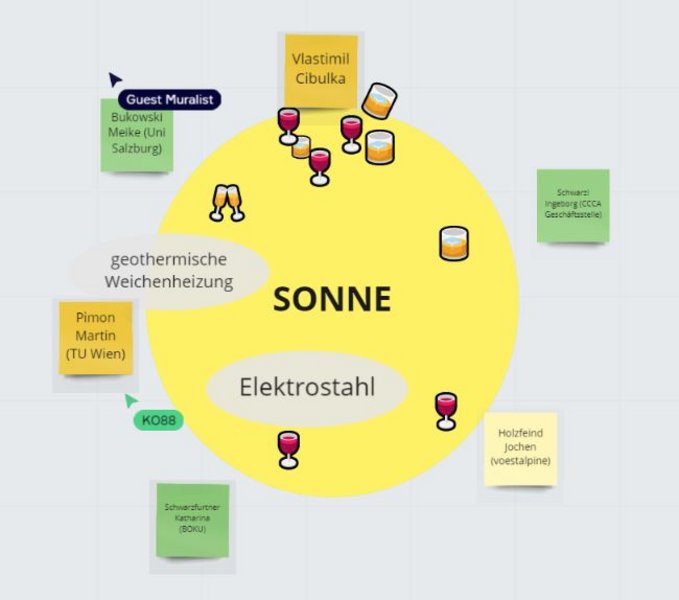
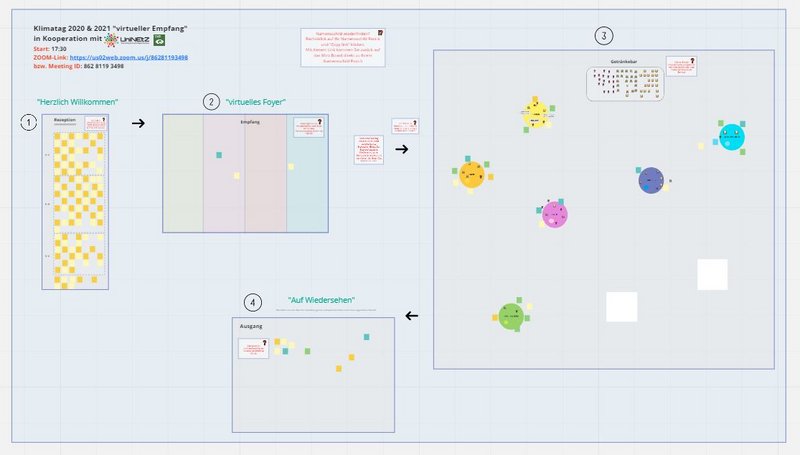
This time, the traditional evening event took place as a virtual reception in cooperation with UniNEtZ on 12 April. After a brief welcome from Harald Rieder (CCCA Board), Jochen Holzfeind (voestalpine GmbH), Patrick Trummer (MUL), Meike Bukowski (University of Salzburg), Sophia-Marie Horvath (BOKU), Antonija Wieser (TU Graz), Fritz Hinterberger (University of Applied Arts Vienna), Ulrike Payerhofer (University of Applied Arts Vienna) and Christian Ruschitzka (artist), the rest of the evening was open for relaxed conversation at virtual standing tables in Zoom and Miro.
The Climate Day was brought to a close on 13 April with participants sharing their thoughts on what they would take away from the Climate Day.
Voices from Climate Day Participants (selection)
"Thanks for a refreshing Climate Day — brilliantly organised. I gained lots of new perspectives on topics I don't usually engage with as much."
"Important things are happening in many places; the Climate Day creates an initial point of connection, but how do we really bring it all together? Great challenges for a great transformation!"
"It's lovely to see and get to know the people behind the research projects."
"I'm taking away motivation and courage for my continued climate work from the Climate Day. I particularly enjoyed the relaxed UniNEtZ event. A brilliant format!"
"As wonderful as ever, perfectly organised. It's also great to see, year after year, that a very diverse yet increasingly close-knit community comes together at the Climate Day. Congratulations!"
Presentations and Poster Presentations
You can find the keynote inputs HERE.
You can view the programme and the conference proceedings HERE.
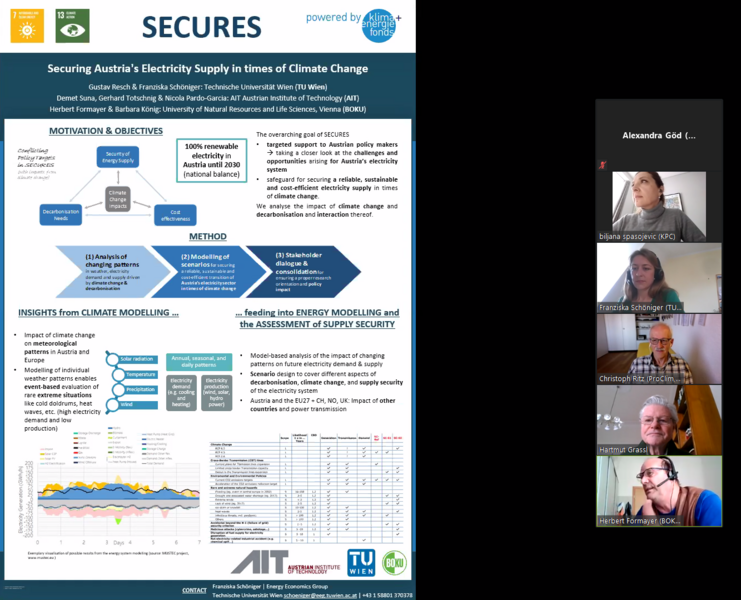
The slide sets for the presentations and the audio poster presentations from the scientific conference programme have been linked in the programme under the respective sessions (where permission was granted). You can view them here: Session I, Session II, Session III, Session IV, Session V, ACRP-1, ACRP-2
The following short presentation by Helmut Jungwirth was shown at the workshop in cooperation with the State of Styria and gives a great insight into the topic of science communication.
Awards
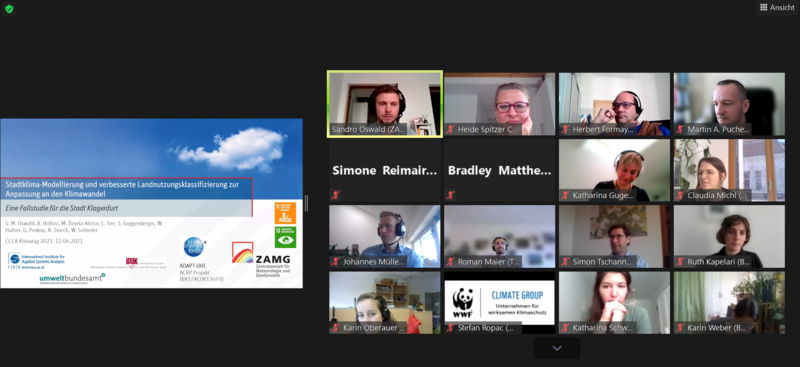
At the 21st Climate Day, the CCCA Early-Career Award for the years 2020 and 2021 was presented. The Early-Career Award for 2020 went to Sandro Oswald (Zentralanstalt für Meteorologie und Geodynamik) for the paper "Using urban climate modelling and improved land use classifications to support climate change adaptation in urban environments: a case study for the city of Klagenfurt, Austria".
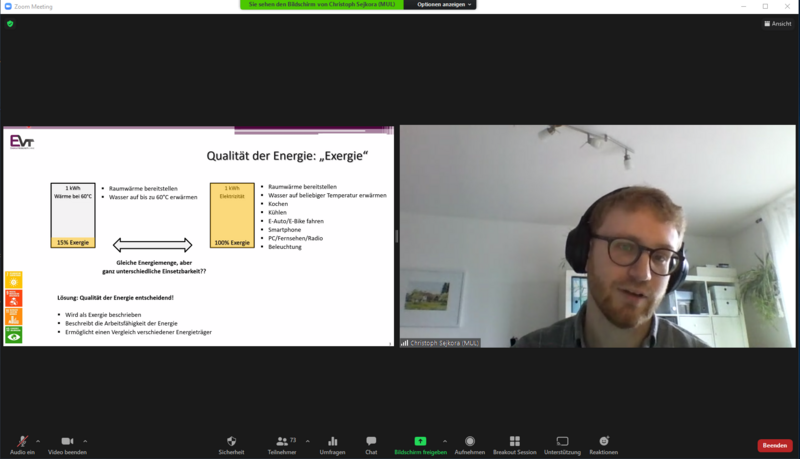
The Early-Career Award for 2021 was presented to Christoph Sejkora (Montanuniversität Leoben) for the paper "Exergy as Criteria for Efficient Energy Systems—A Spatially Resolved Comparison of the Current Exergy Consumption, the Current Useful Exergy Demand and Renewable Exergy Potential".
The CCCA Poster Award was once again a regular feature of the conference this year. All participants were able to vote for the CCCA Poster Award during the conference and for a few days beforehand via an online voting tool. Based on the voting, a jury awarded the poster prize. This year's jury consisted of Daniel Barben (AAU), Sabrina Frühauf (MUL) and Gerhard Wotawa (ZAMG and CCCA Board).
The following posters were voted into the top 3 places:
- 1st place: Markus Ellersdorfer (MUL) for the poster „Entwicklung eines nachhaltigen Kultivierungssystems für Nahrungsmittel in Metropolregionen", P05
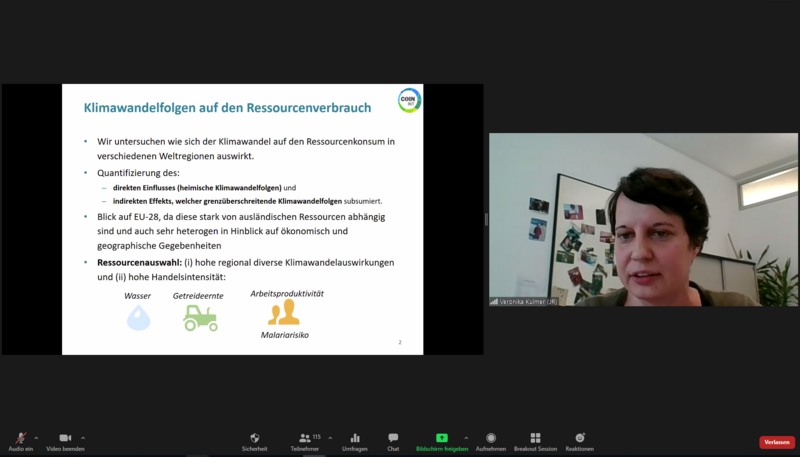
- 2nd place: Veronika Kulmer (JR) for the poster „Fair and effective carbon pricing for Austria: insights from model comparison (FARECarbon)", ACRP21_01
- 3rd place: Annina Thaller (Uni Graz) for the poster „The road towards sustainable mobility: Disruptive potential of urban transport policies", P06
Supporters
The 21st Austrian Climate Day was made possible through the support of the following institutions (listed alphabetically), whom we would like to warmly thank on behalf of the entire CCCA:
- Federal Research Centre for Forests
- Federal Ministry of Education, Science and Research
- Federal Ministry for Climate Protection, Environment, Energy, Mobility, Innovation and Technology
- Klimabündnis Steiermark
- Climate and Energy Fund
- State of Styria
- Montanuniversität Leoben
- Graz University of Technology
- UniNEtZ
- University of Natural Resources and Life Sciences, Vienna
- University of Applied Arts Vienna
- Zentralanstalt für Meteorologie und Geodynamik