

Review

24th Austrian Climate Day under the motto "City and Countryside in Flux"
02–04 April 2024, TU Wien
The venue in Vienna was taken as an opportunity to put urban space in the spotlight and to discuss challenges and opportunities in connection with climate change. City and countryside are subject to a constant flux of change; these transformation processes need to be actively shaped with an eye towards climate neutrality 2040 and changing climatic conditions. TU Wien offers wide-ranging research expertise in both urban and rural development, making it the ideal setting for a conference centred on multi-layered change. This year, TU Wien was thus the host for the most important networking event of the Austrian climate research community (APA report HERE). Furthermore, TU Wien has set a significant milestone towards sustainability and environmentally conscious event organisation: on the occasion of the Climate Day, TU Wien itself became a licensee for Green Events and Green Meetings, in accordance with the Austrian Ecolabel UZ 62, thereby demonstrating its commitment to the sustainable and responsible design of events. Accordingly, the 24th Austrian Climate Day was certified as a Green Meeting by TU Wien itself.
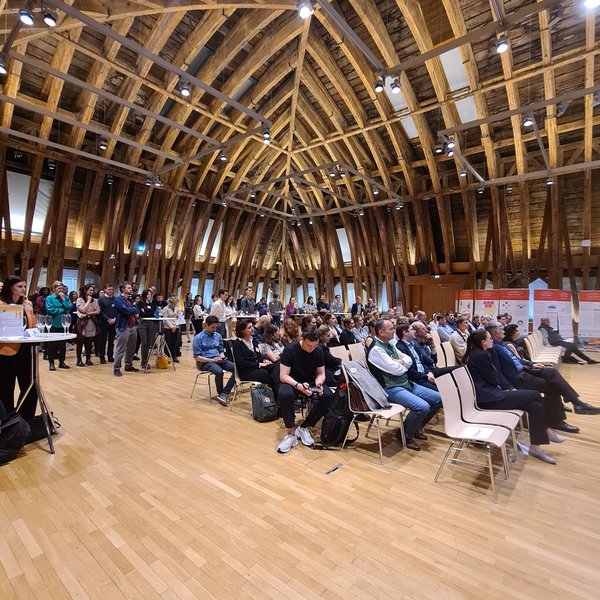
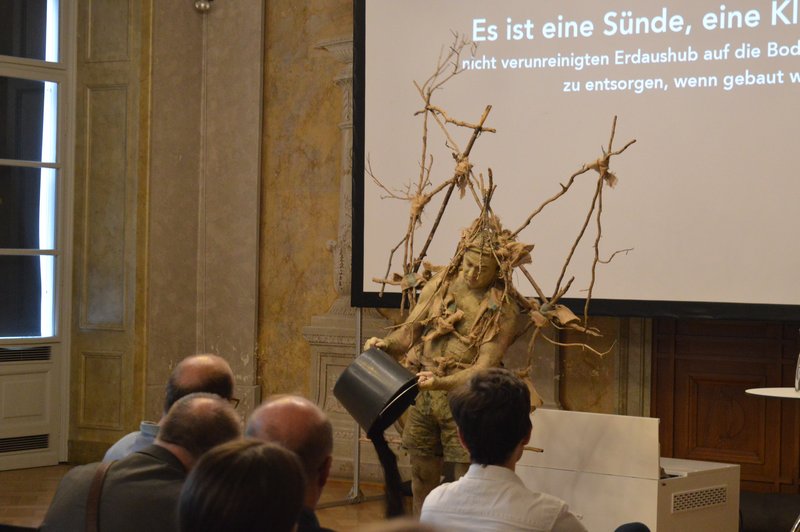
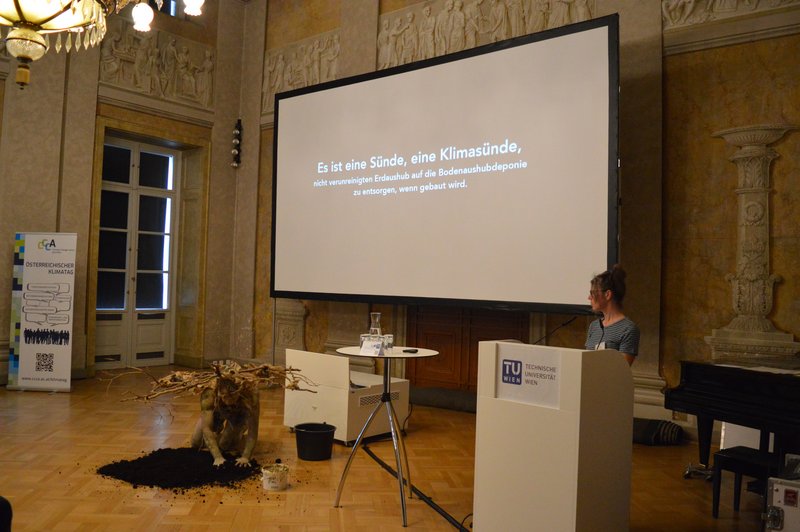
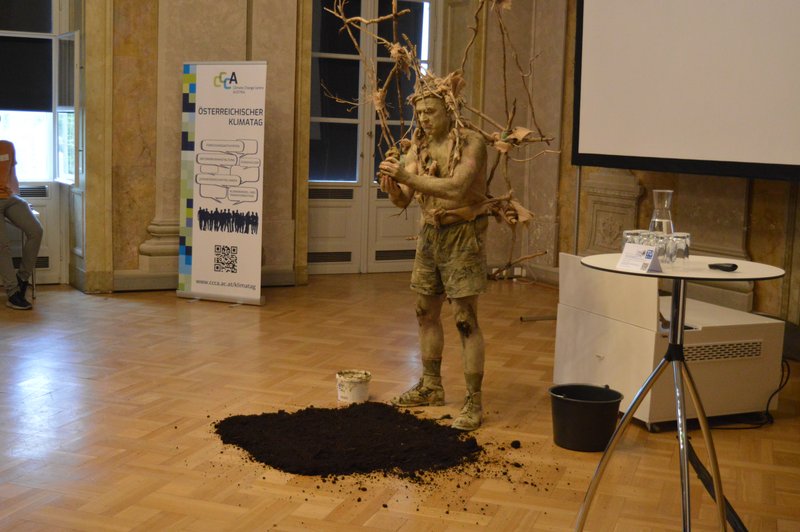
Around 320 participants from academia, public administration, business, and research funding gathered in the federal capital to exchange ideas and network around current climate research (programme HERE). Alongside familiar formats, such as the workshop of the CCCA Early Career Researchers Working Group, this year also brought two innovations. On one hand, the innovative format for presentations in the third scientific session, and on the other, the virtual poster format (virtual posters HERE). The aim for the 24th Austrian Climate Day was to break away from the traditional presentation format in the third scientific session (on 03.04.) and to create space for new, innovative forms of presentation. To this end, 5 presentations were selected from the submissions that met this goal and successfully passed through the Climate Day review process.
The 24th Austrian Climate Day was made possible through the support of numerous organisations, whom we would like to warmly thank on behalf of the entire CCCA. We would also like to thank all participants for their valuable contributions, and we look forward to welcoming you to the 25th Climate Day from Wed, 23 to Fri, 25 April 2025 at the University of Innsbruck!
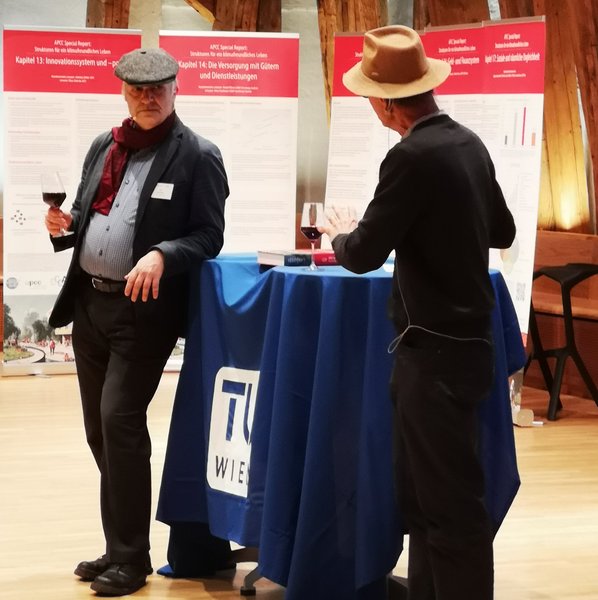
Below you'll find impressions of the individual programme items. Photo rights belong to CCCA, TU Wien, and Radka Klein.
- CCCA Awards
- Workshop of the CCCA Early Career Researchers Working Group
- Fireside Chat with Scientists for Future (S4F)
- Icebreaker hosted by TU Wien
- Opening, Keynote and Discussion
- Scientific Sessions
- ACRP Sessions
- Poster Sessions during Breaks
- Workshop on Networking between Administration and Academia in cooperation with the City of Vienna
- Evening Event in cooperation with the City of Vienna
- Supporters of the 24th Austrian Climate Day
CCCA Awards
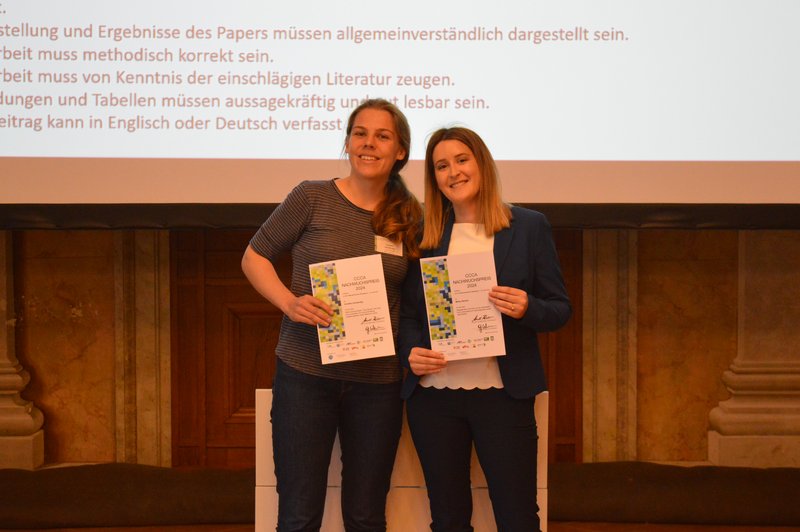
The CCCA Early Career Researcher Award for 2024 was presented to not just one but two colleagues, as both submissions were of outstanding quality:
Miriam Bertola (TU Wien) for the paper "Megafloods in Europe can be anticipated from observations in hydrologically similar catchments" and
Annelies Voordendag (UIBK) for the paper "Brief communication: The Glacier Loss Day as an indicator of a record-breaking negative glacier mass balance in 2022"
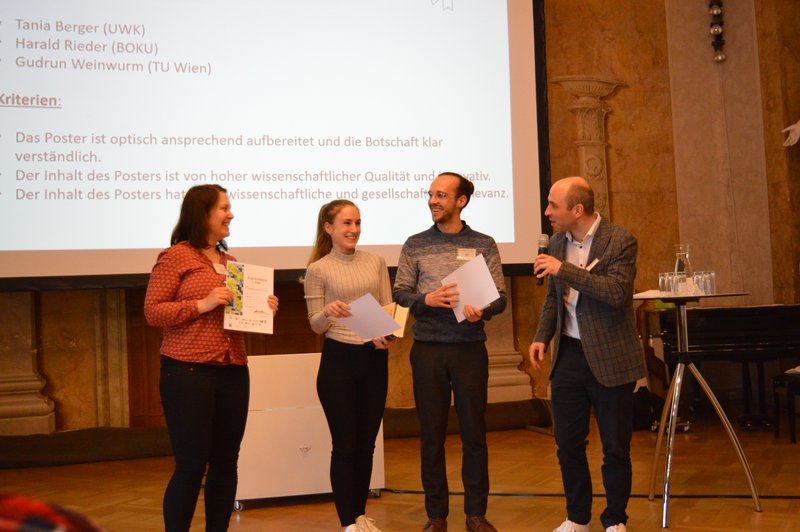
The CCCA Poster Awards were once again a fixed part of the conference this year. All participants were able to rate the displayed posters throughout the event. On this basis, a jury consisting of Harald Rieder (BOKU & CCCA Board), Gudrun Weinwurm (TU Wien) and Tania Berger (UWK) awarded the poster prizes.
The following posters were selected for the top 3 places:
1st place: P19 Irene Himmelbauer (TU Wien): The International Soil Moisture Network (ISMN): an introduction to data production for climate change sciences
2nd place: P33 Simone Schreiegg (Uni Graz): Barriers and enablers for innovative and sustainable mobility services in rural areas
3rd place: P03 Florian Reyzek (TU Wien): Ice nucleation by trees: how trees can influence clouds and precipitation!
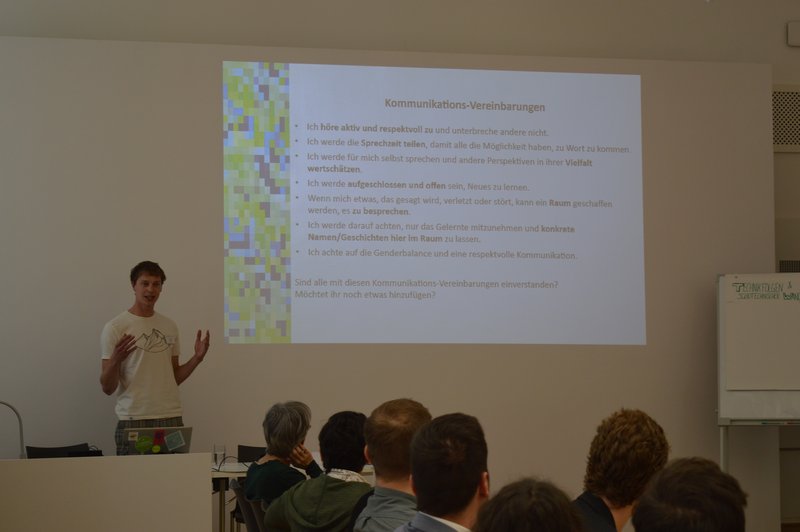
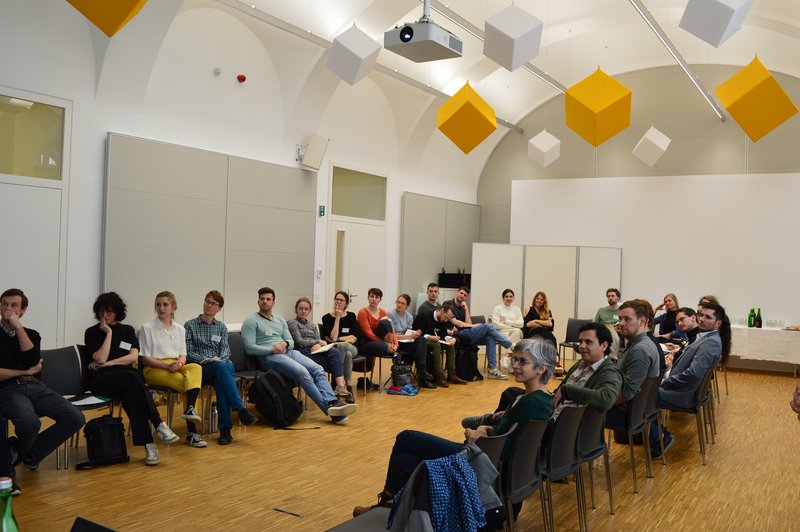
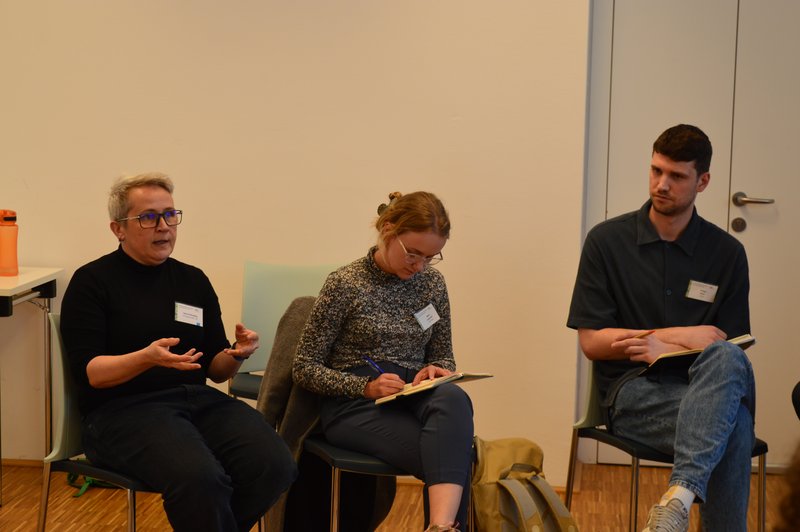
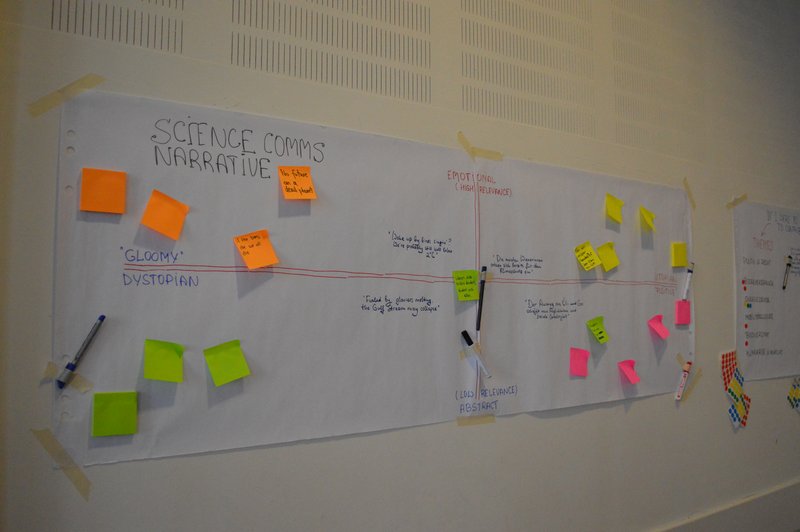
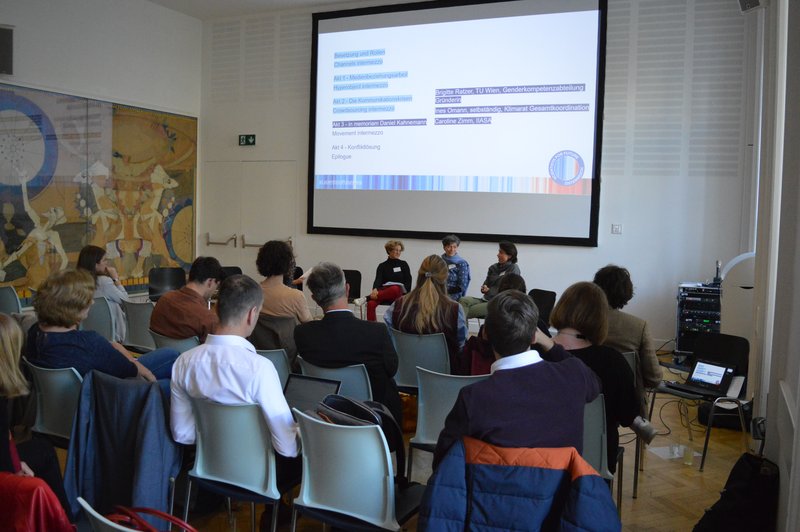
Workshop of the CCCA Early Career Researchers Working Group "Pathways Towards Sustainability – Technology and Economics of the Future"
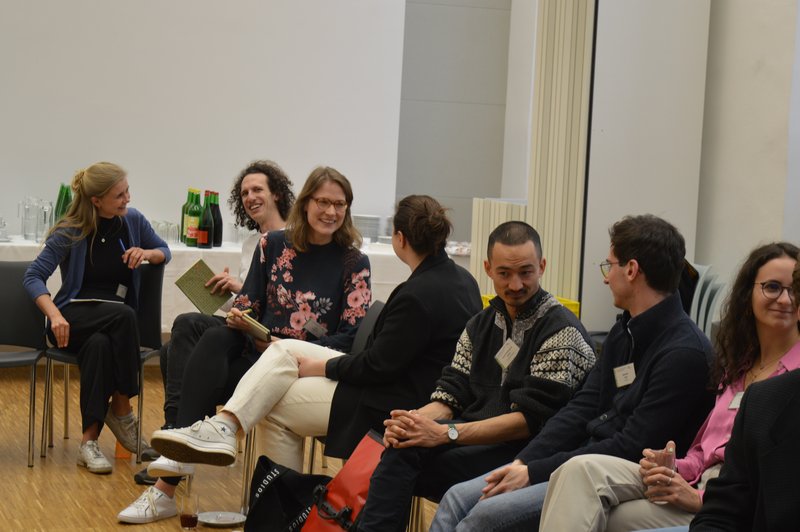


Icebreaker hosted by TU Wien


Opening, Keynote and Discussion "Transformative Power of Cities and Municipalities: from Research into Practice"
back to overview
to the programme item
to the recording of the opening
to the recording of Dagmar Haase's talk (until 05:02 keynote introduction; from 05:02 talk by Dagmar Haase)
to the recording of Daniela Allmeier's talk
to the recording of the discussion (due to technical pre-settings, the last 10 minutes of the discussion were not recorded)


Scientific Sessions
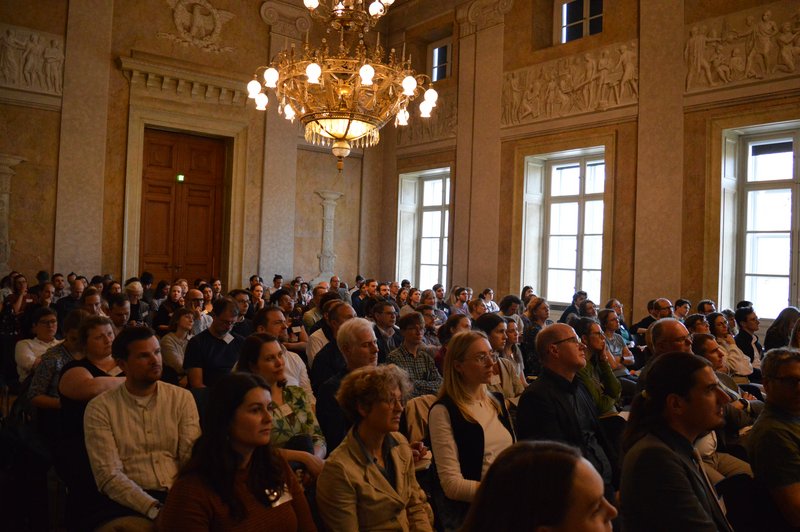
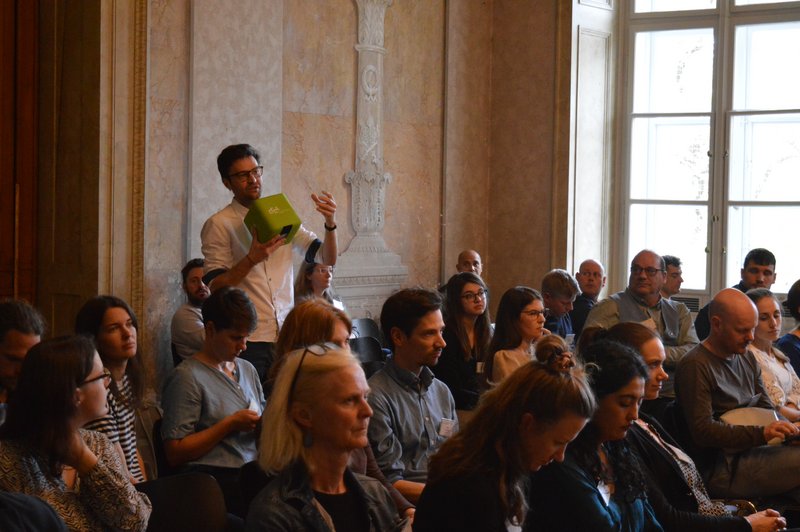
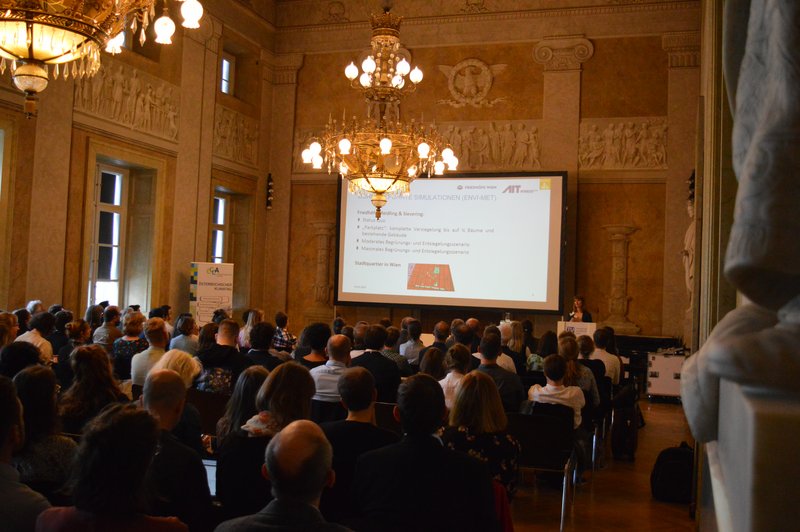
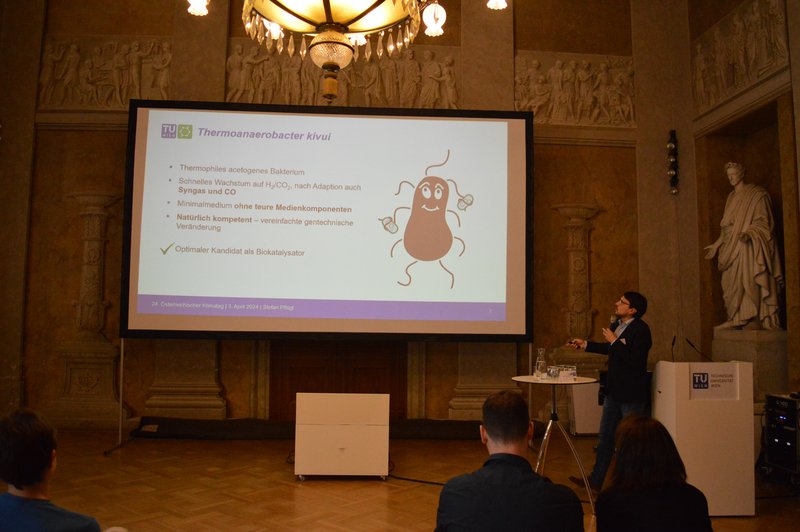
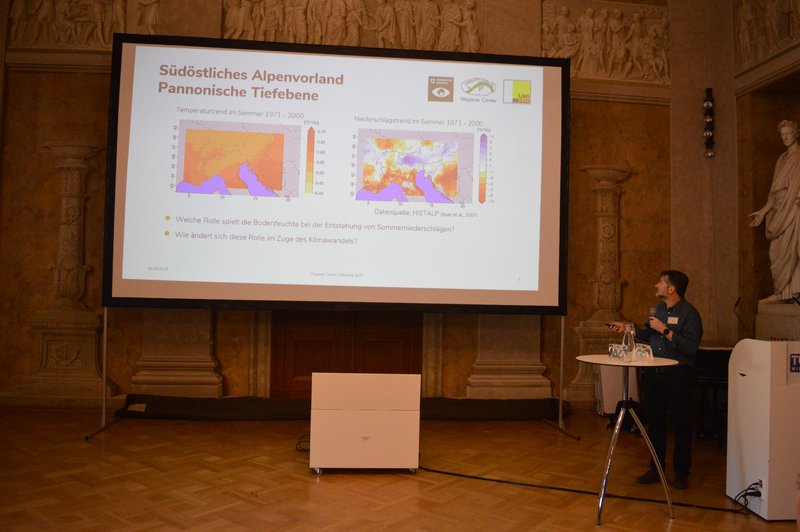
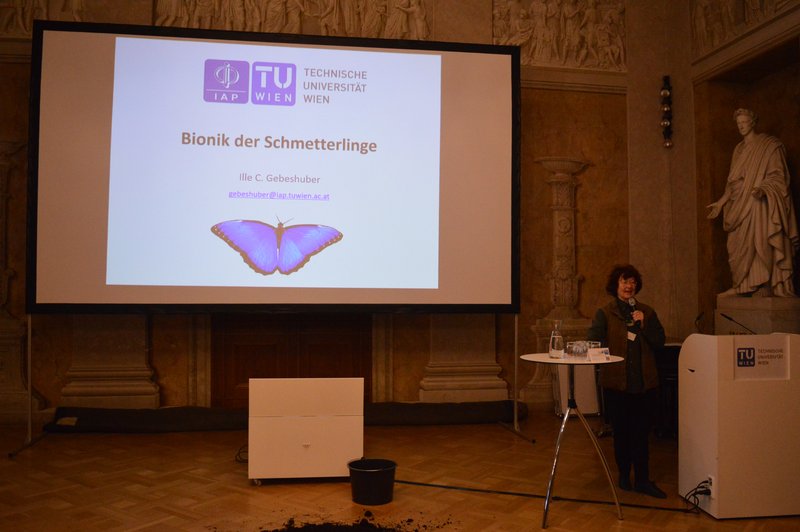
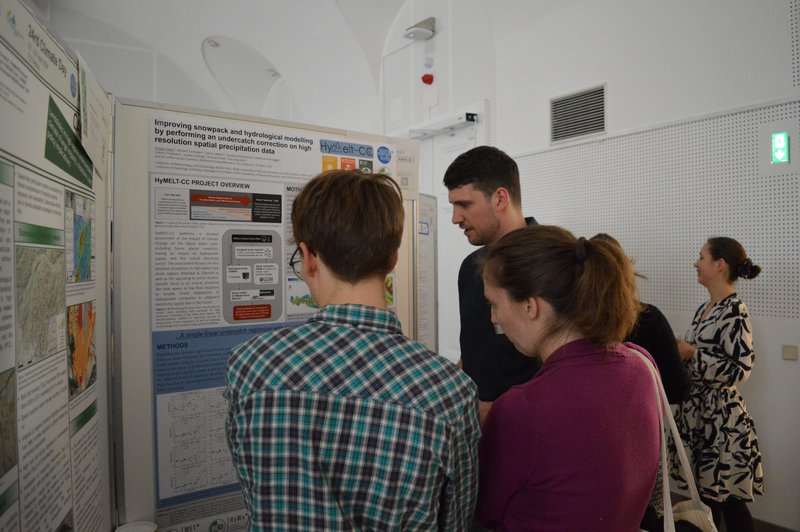
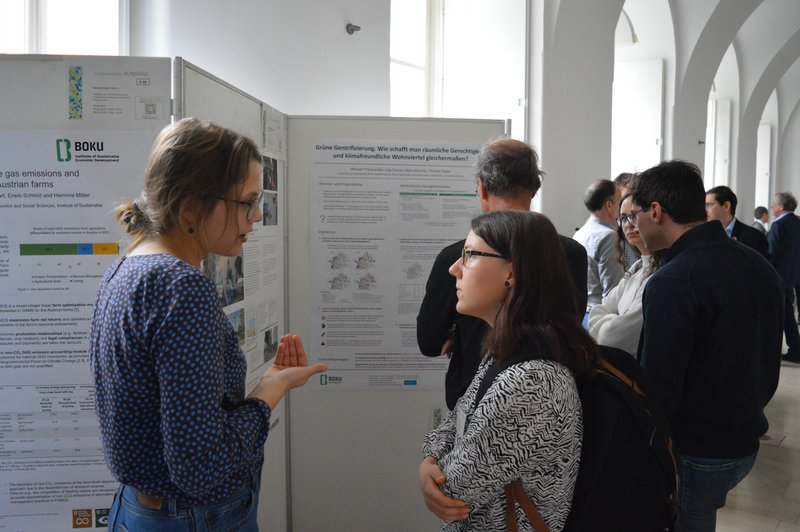
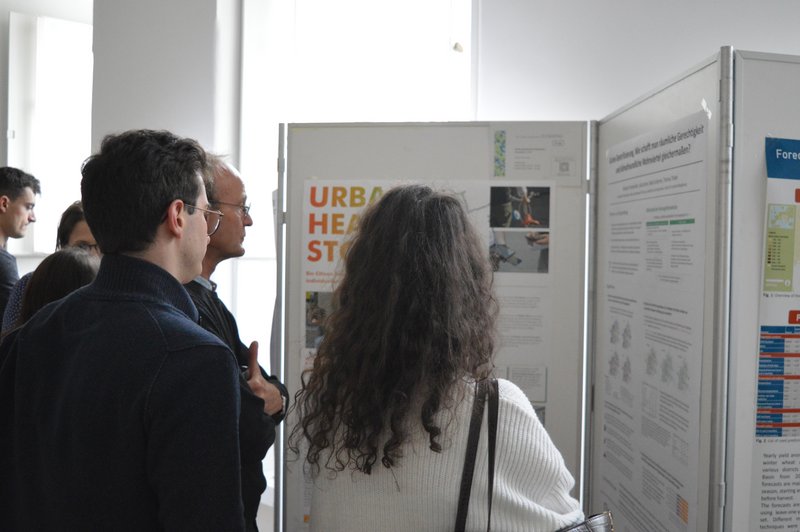
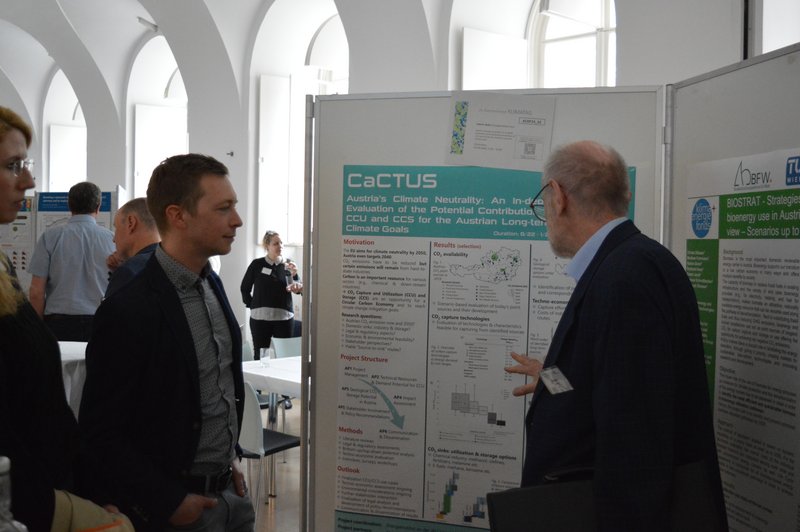
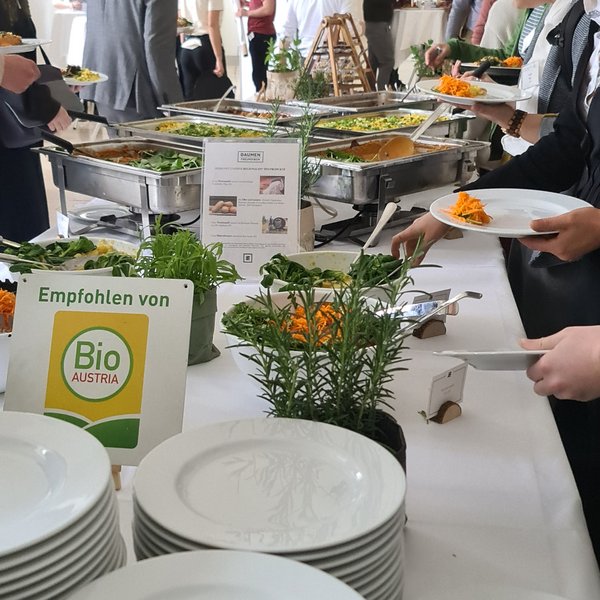
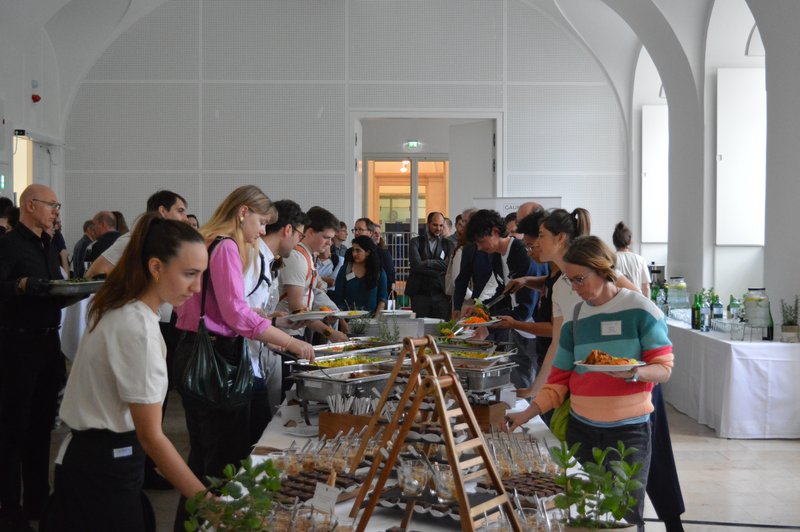
The five scientific sessions Urban and Rural, Technological Progress, Innovative Format, Societal Change and Impacts and Adaptations each consisted of 4 to 5 selected presentations on current climate research, including discussion. In addition, the thematically assigned posters were presented in a compact format by the respective session chair. Exchange around the posters took place during the breaks. Participants of the Klimatag had the opportunity to grab something from the buffet and visit the poster presentations.
ACRP Sessions
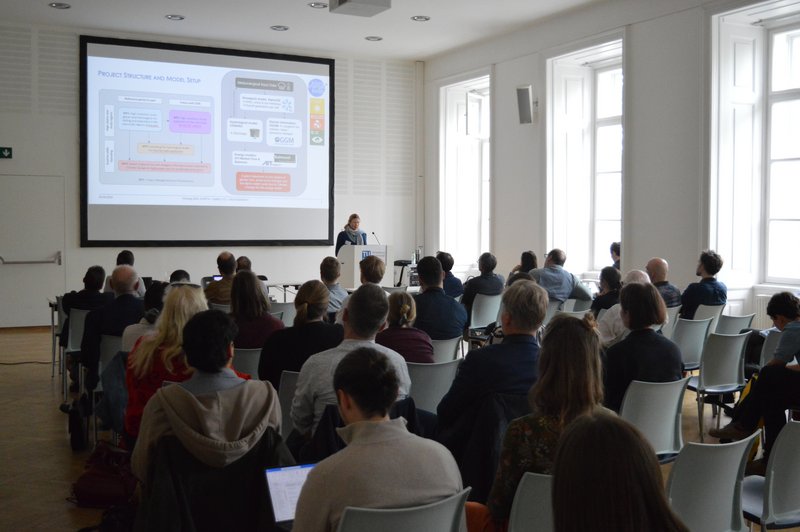
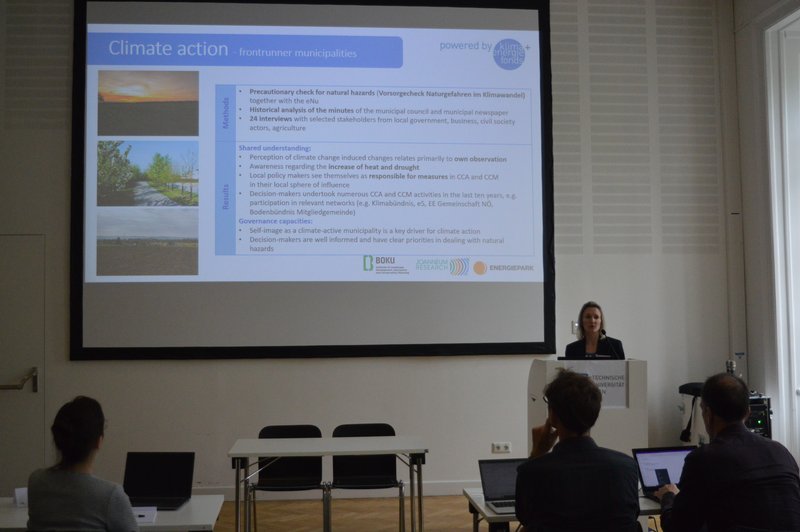
This year again, quality assurance of the ACRP research activities funded by the Climate and Energy Fund in ACRP Session 1 and ACRP Session 2 was a fixed part of the conference, held in the presence of the ACRP Steering Committee.


Workshop on Networking between Administration and Science in Cooperation with the City of Vienna – "Climate-Neutral District Development – Holistic Transformation in the Urban District"


Evening Event in Cooperation with the City of Vienna