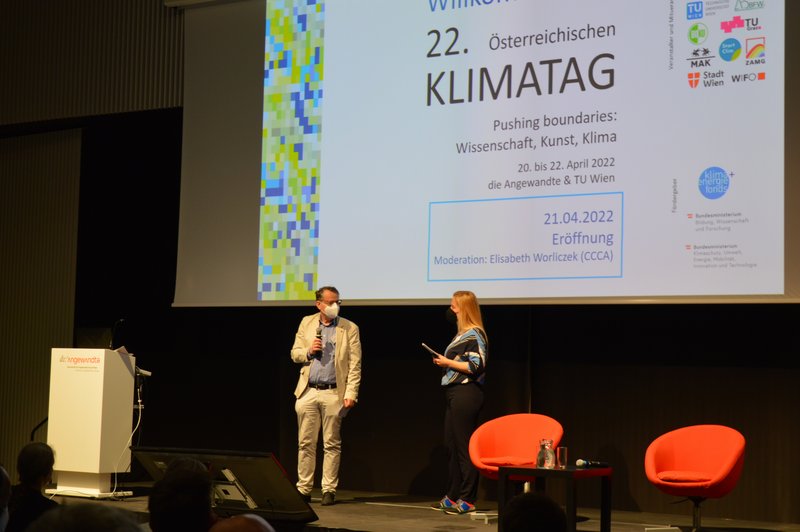
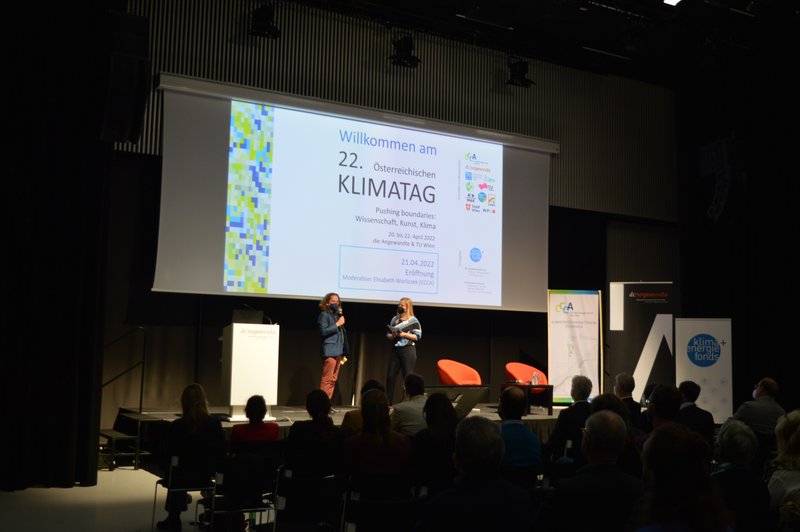
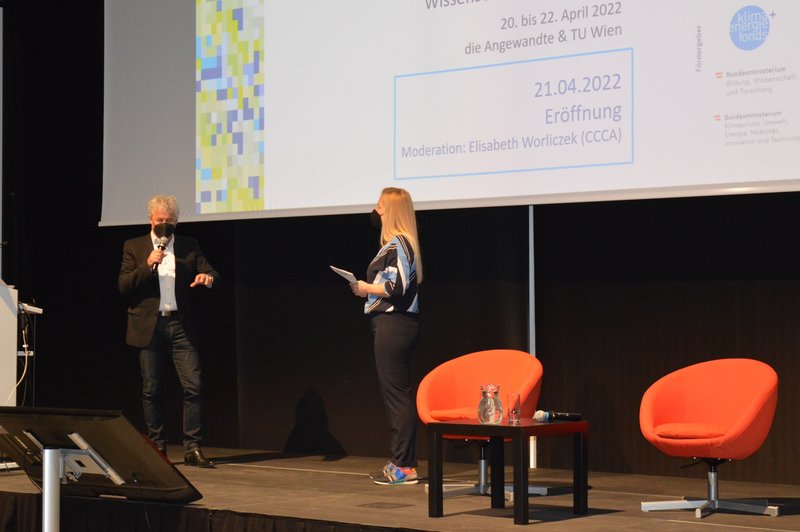
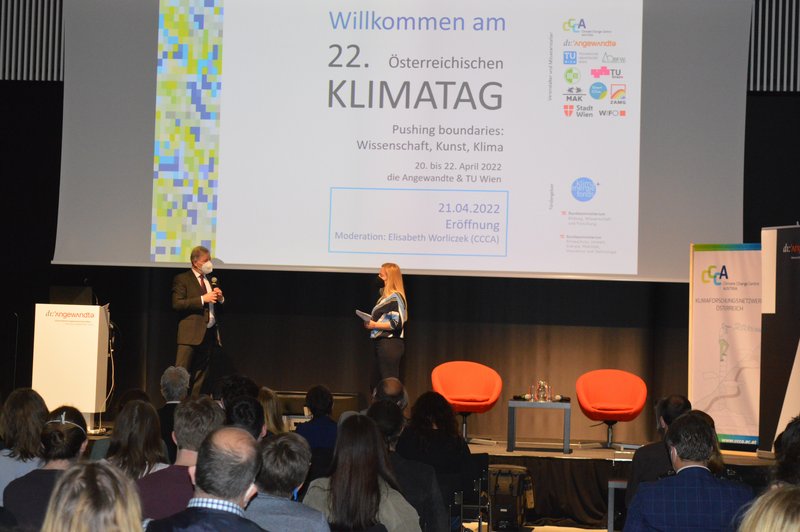
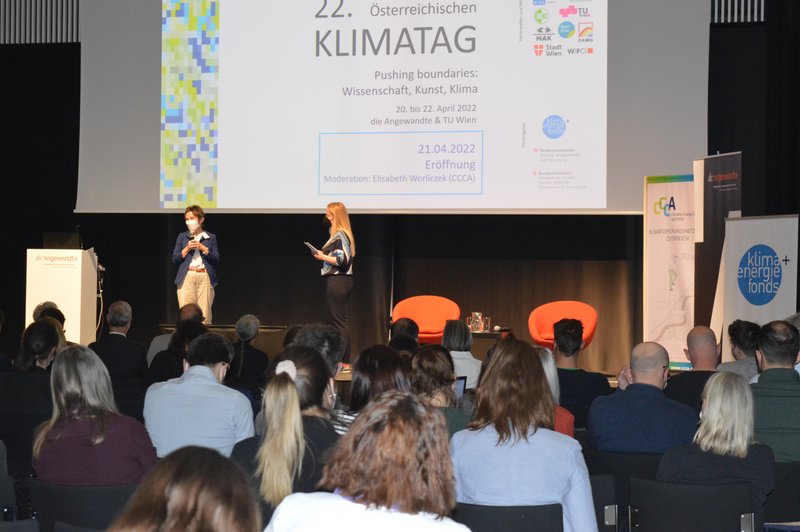
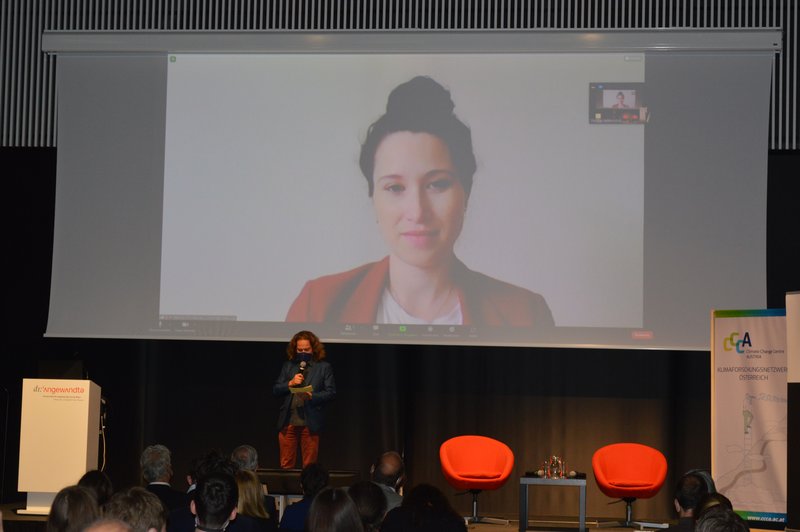
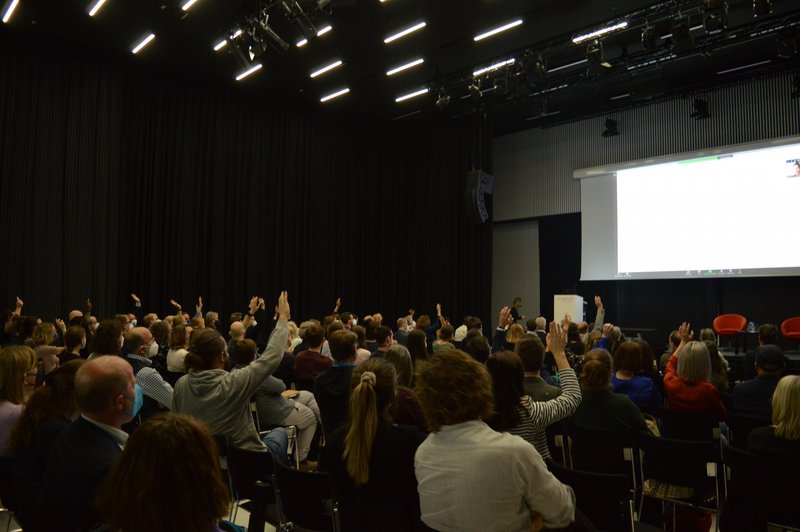
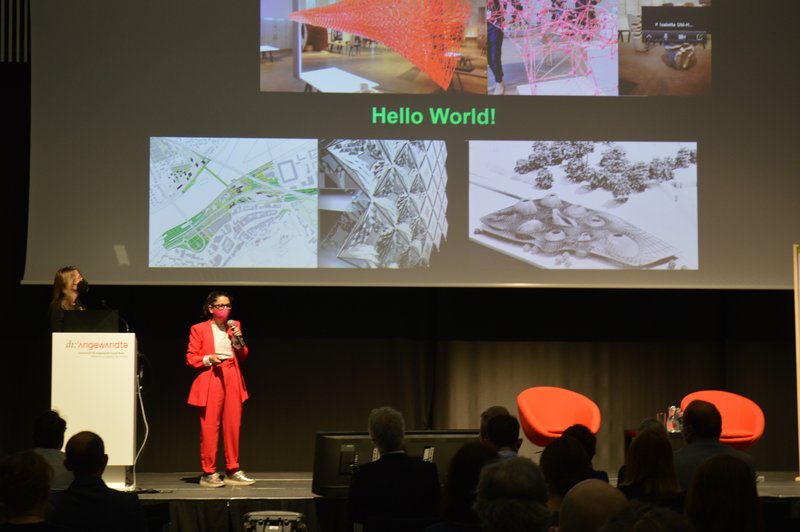
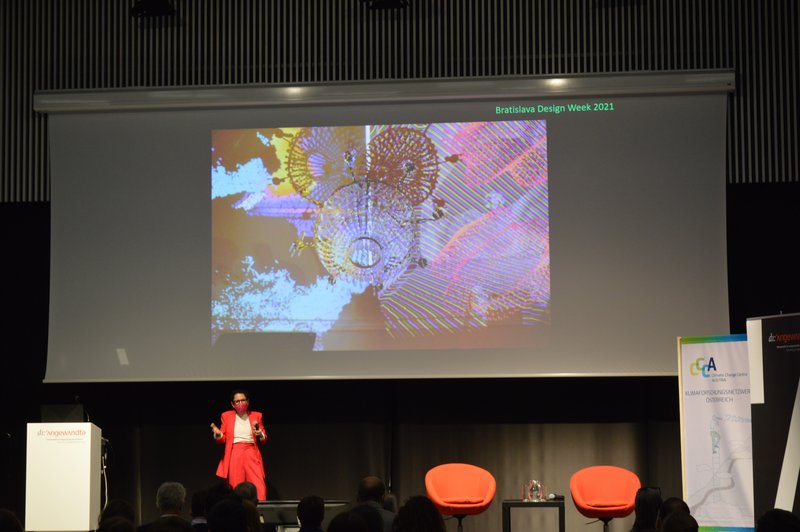
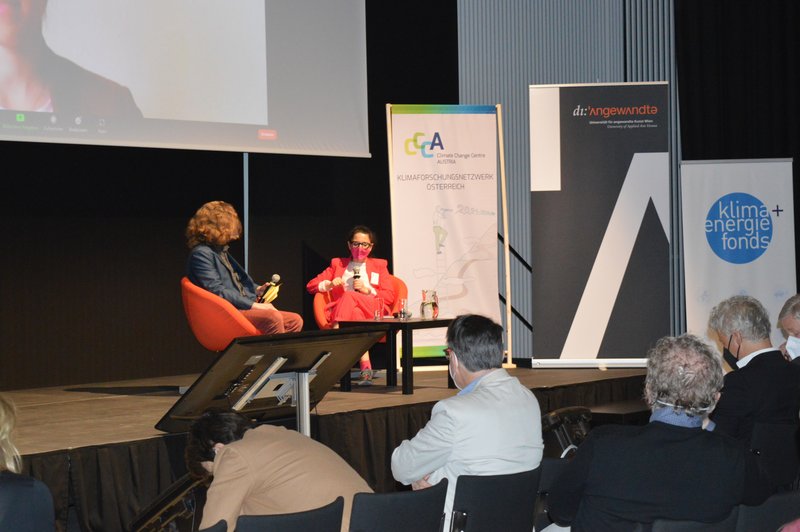
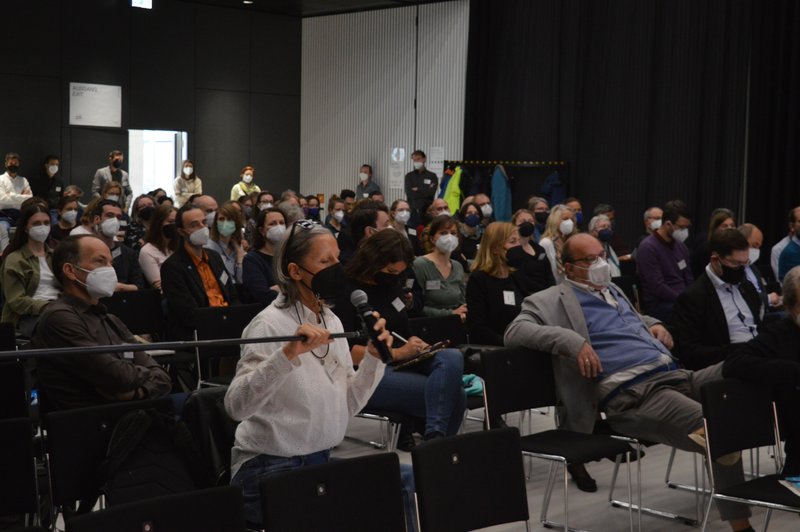
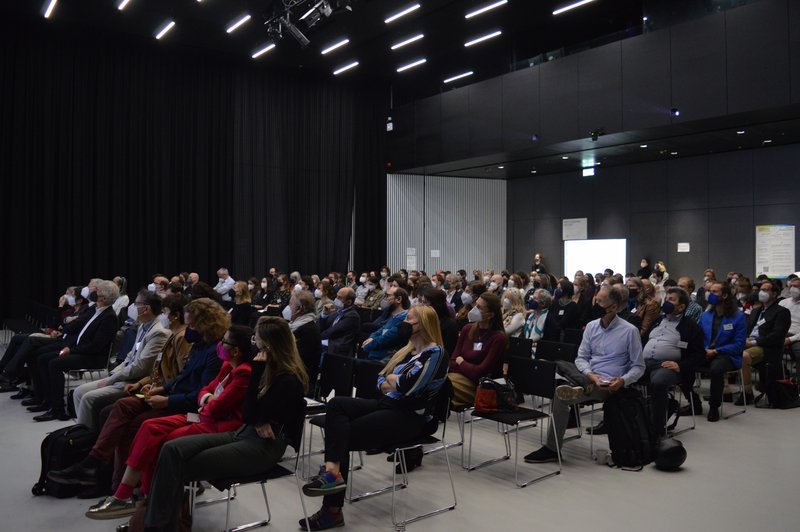
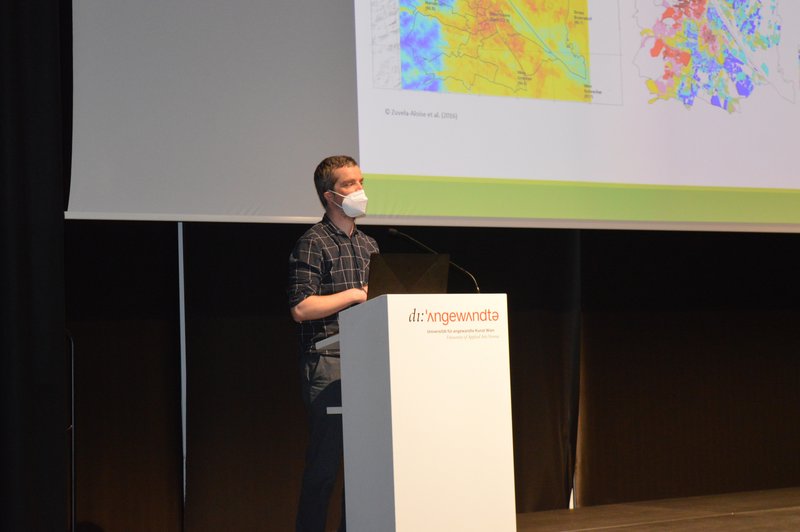
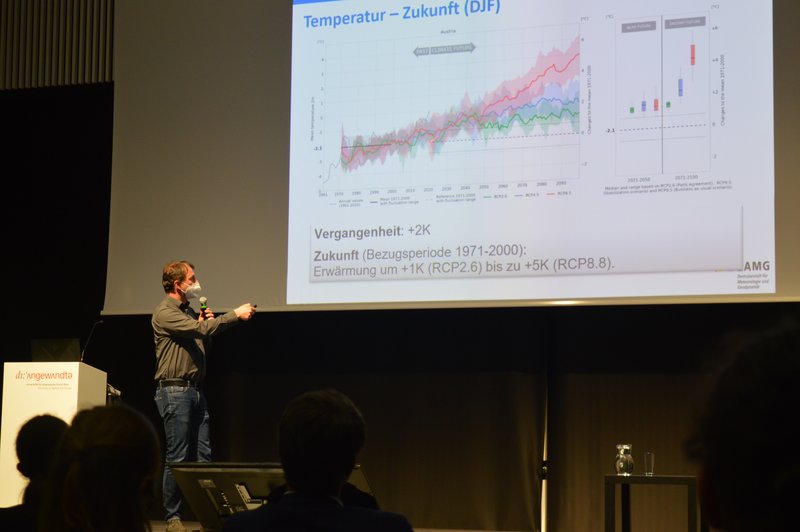
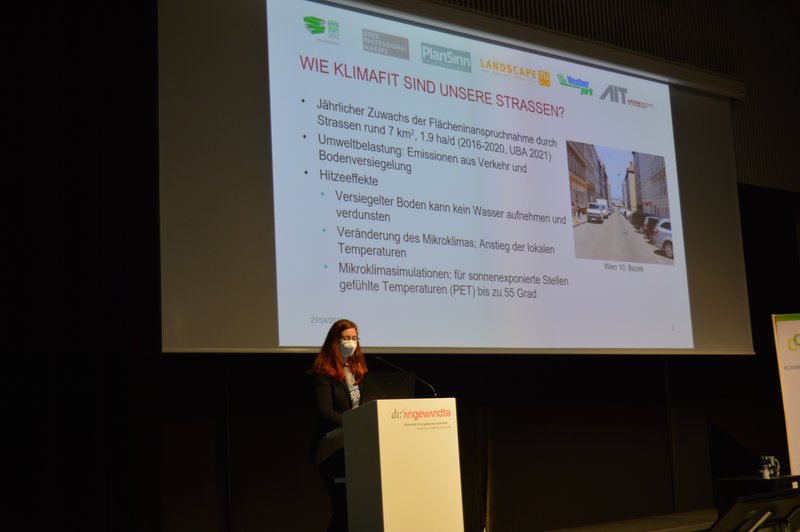
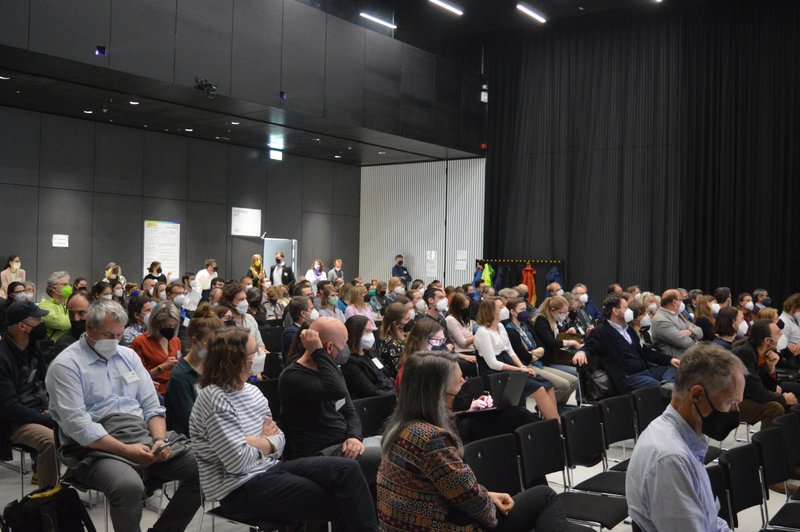
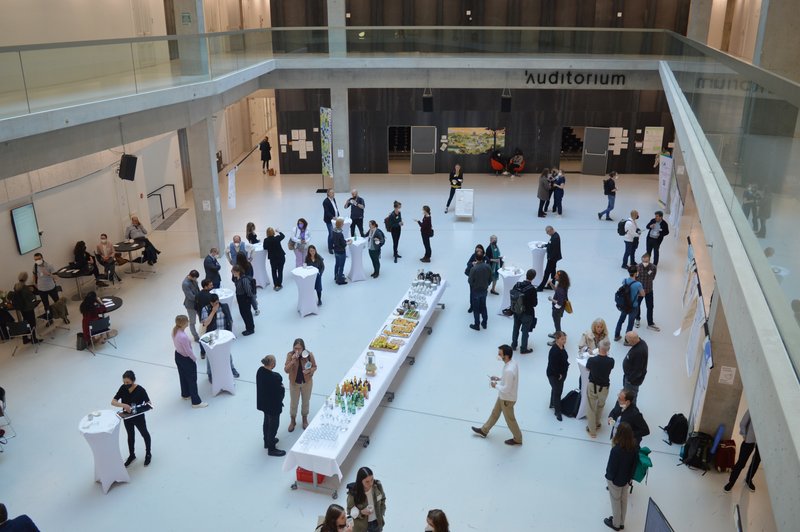
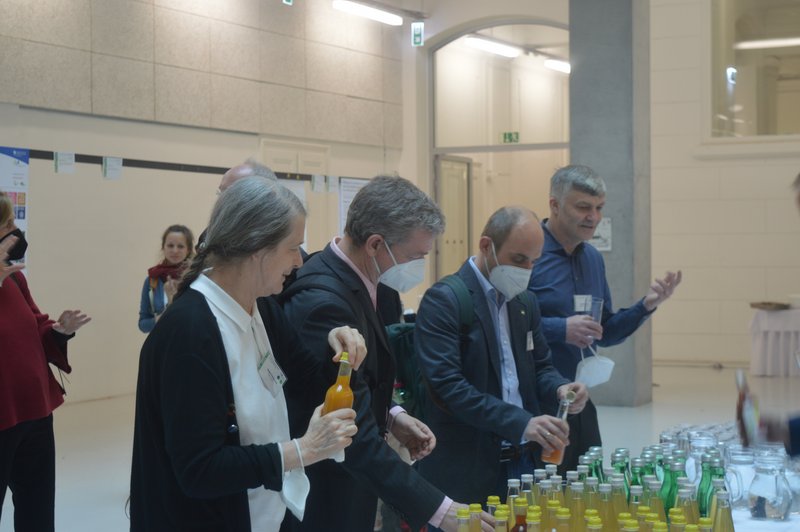
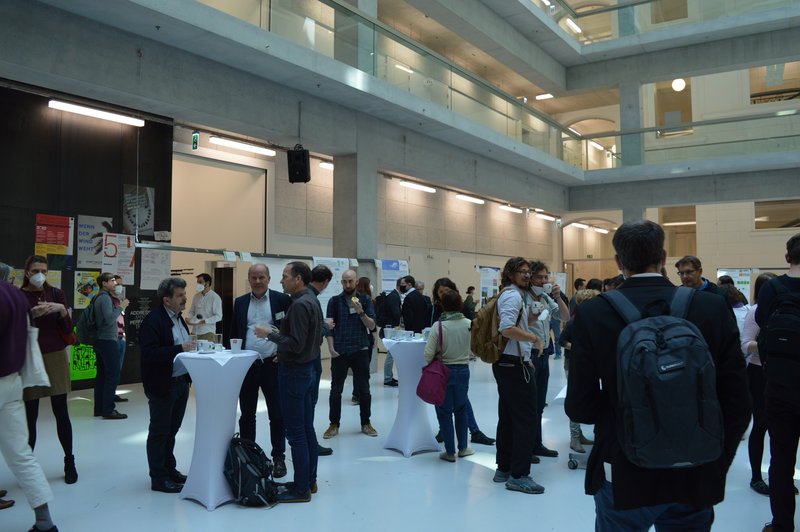
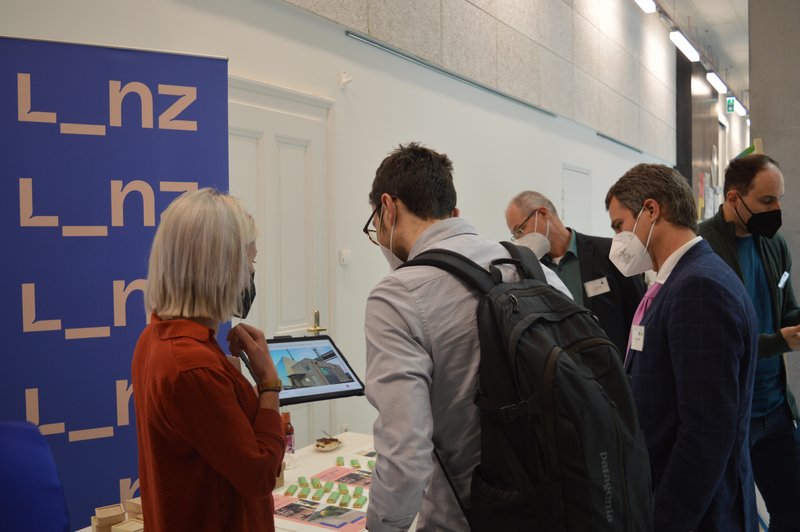
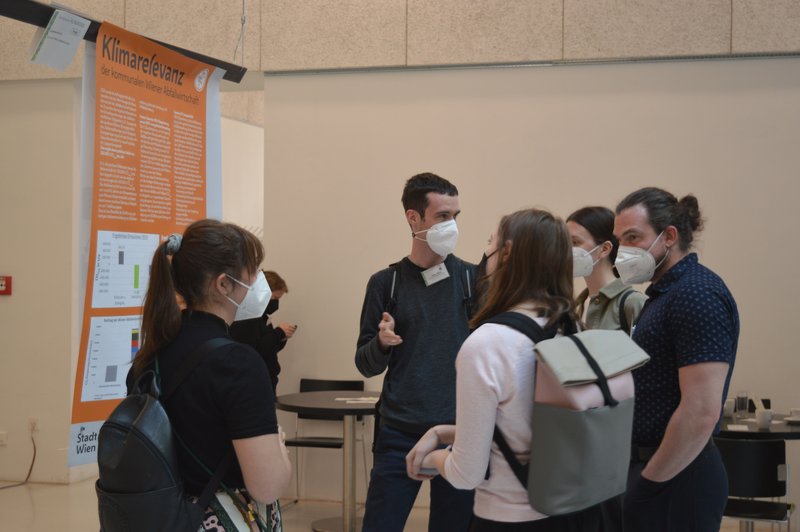
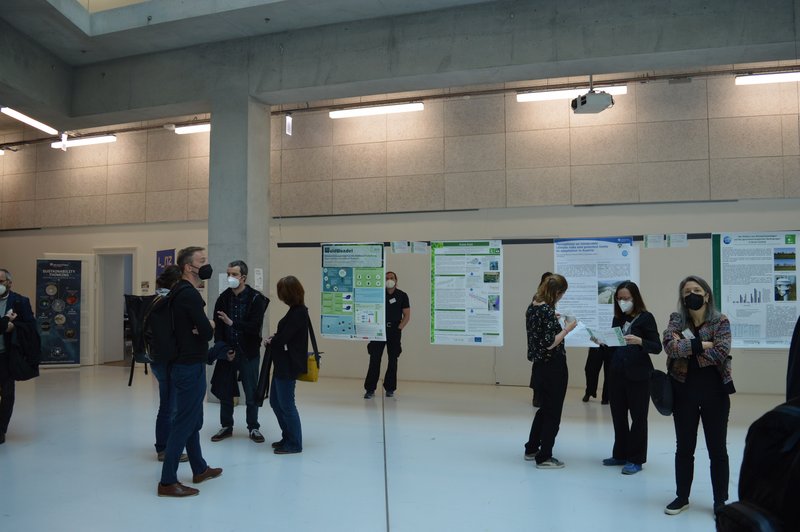
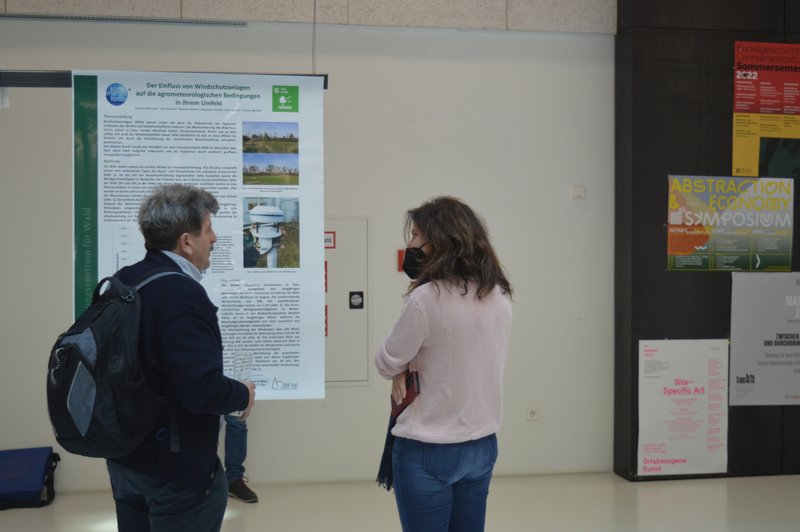
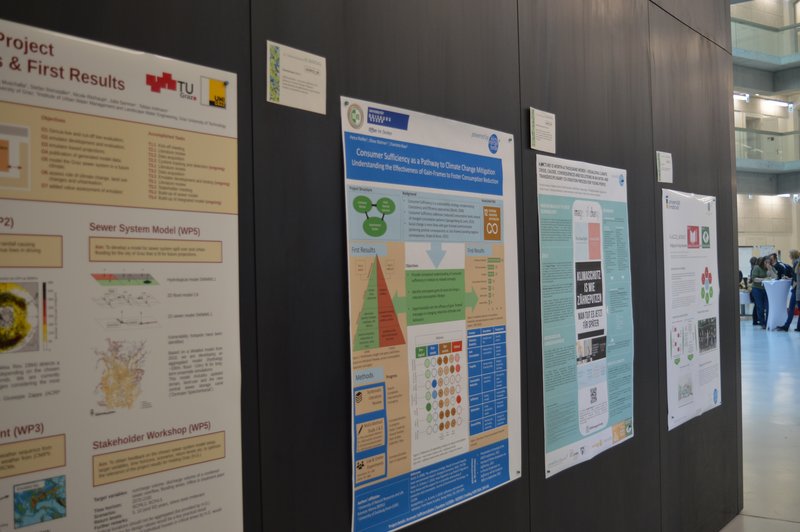
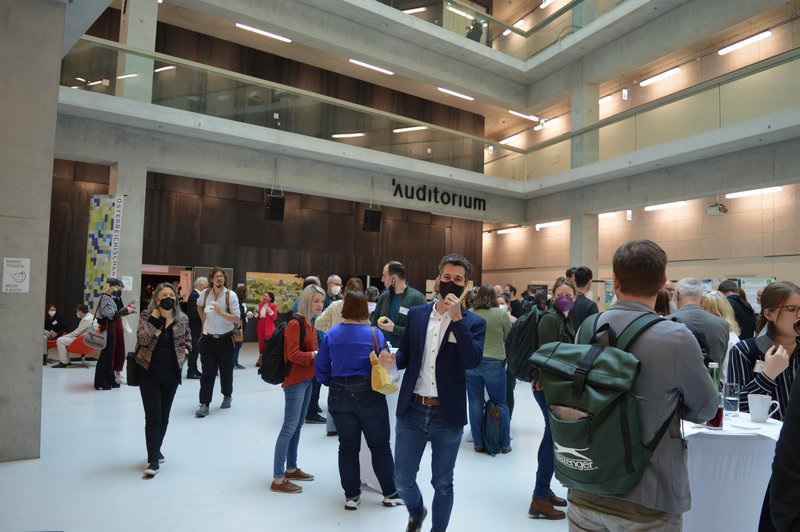
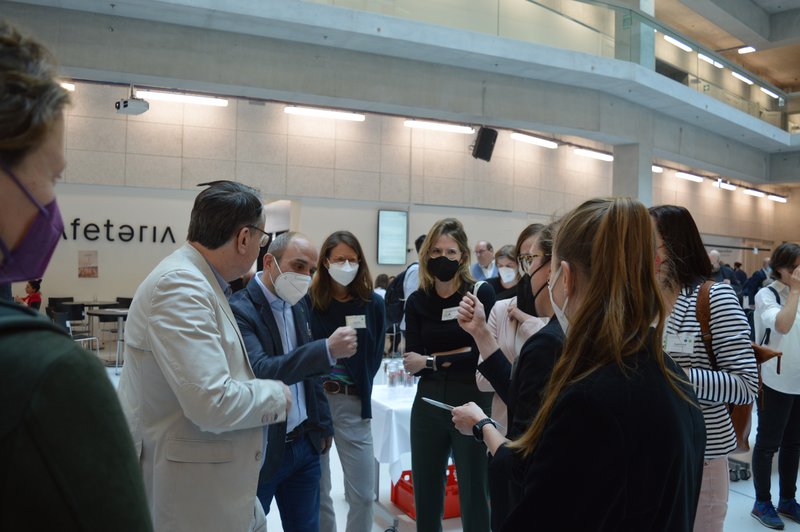
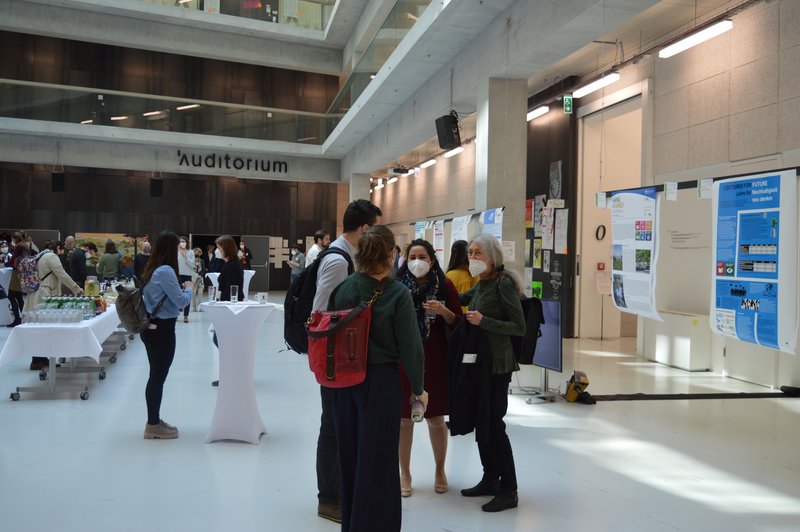
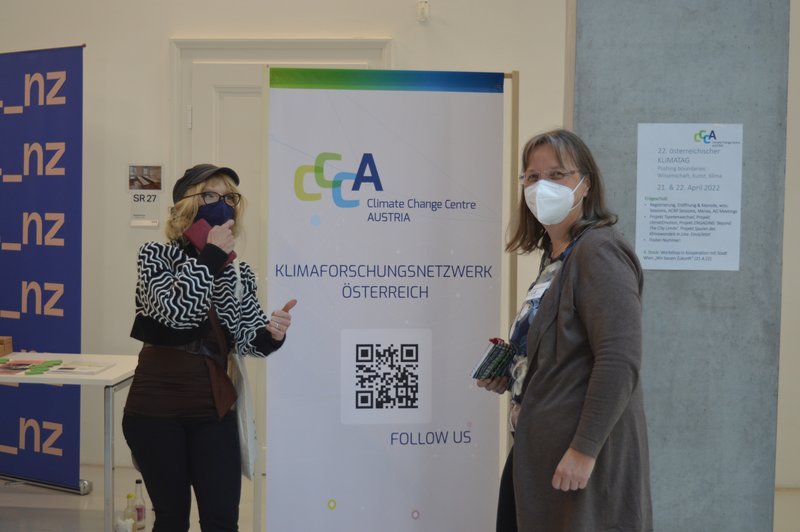
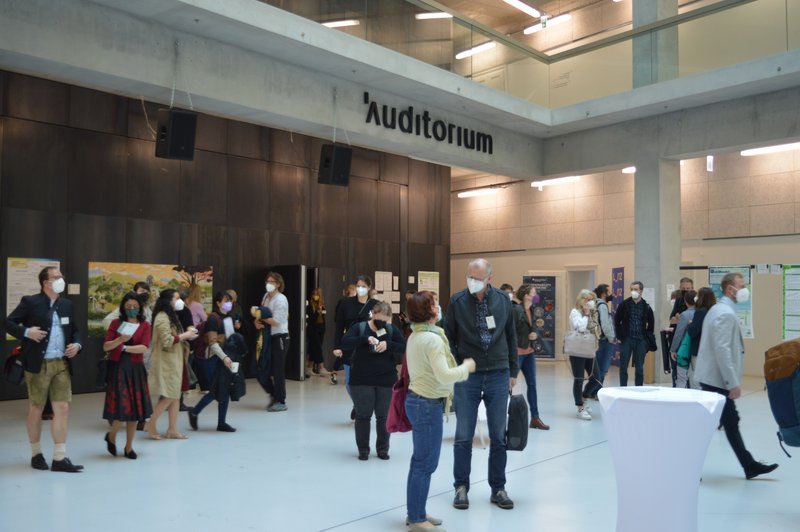
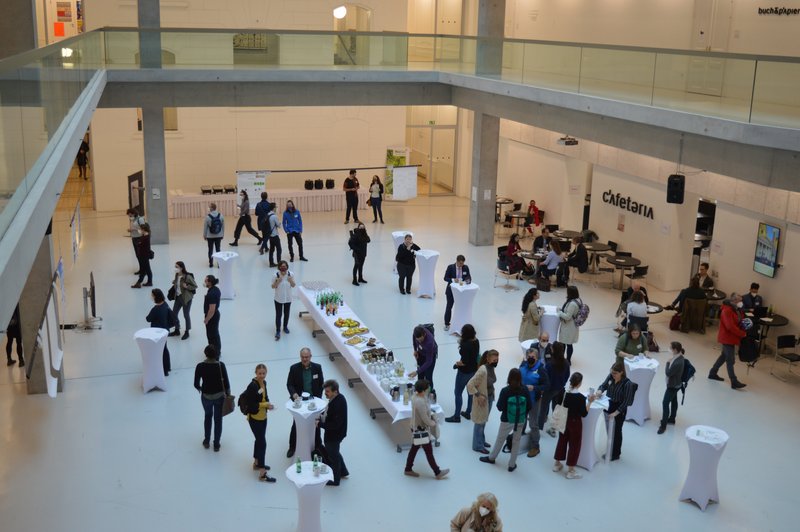
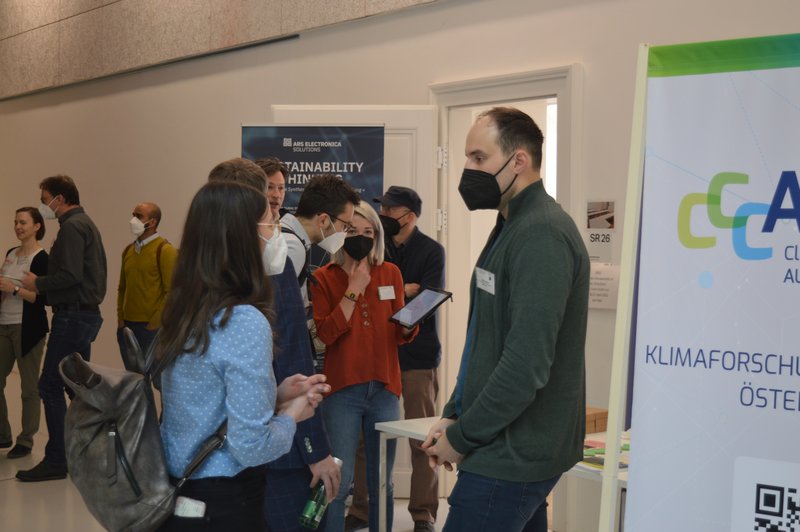
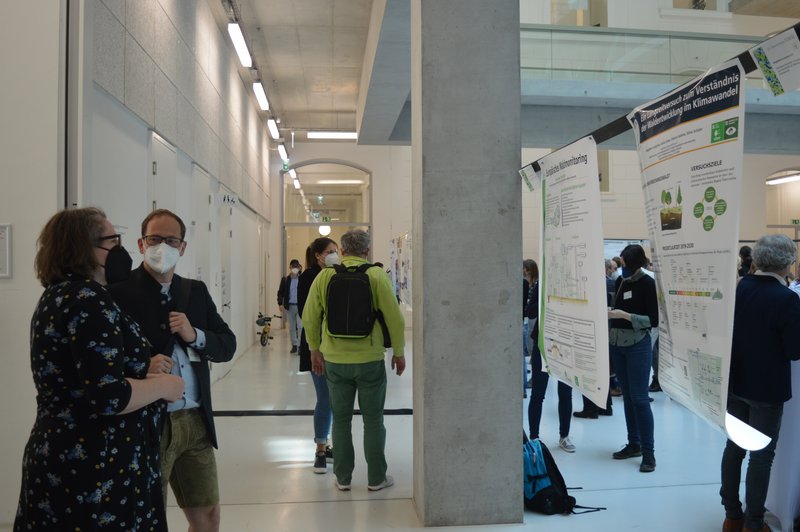
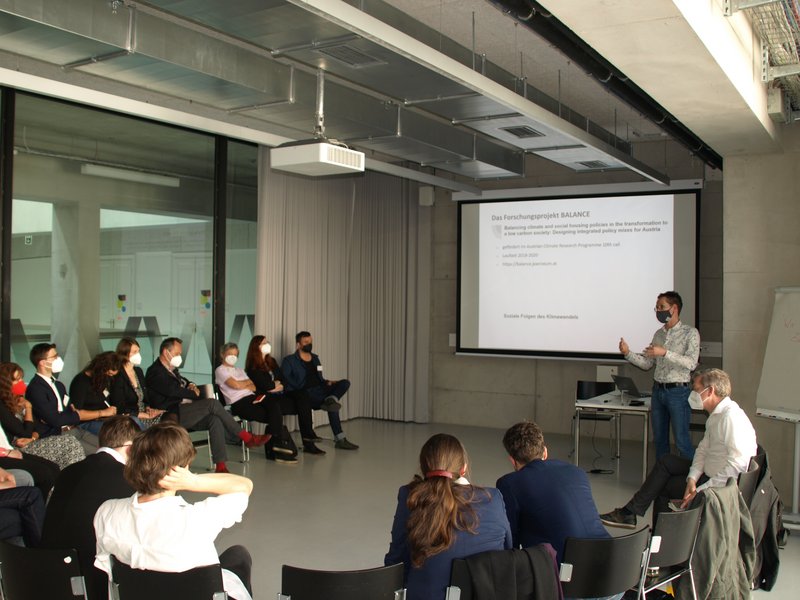
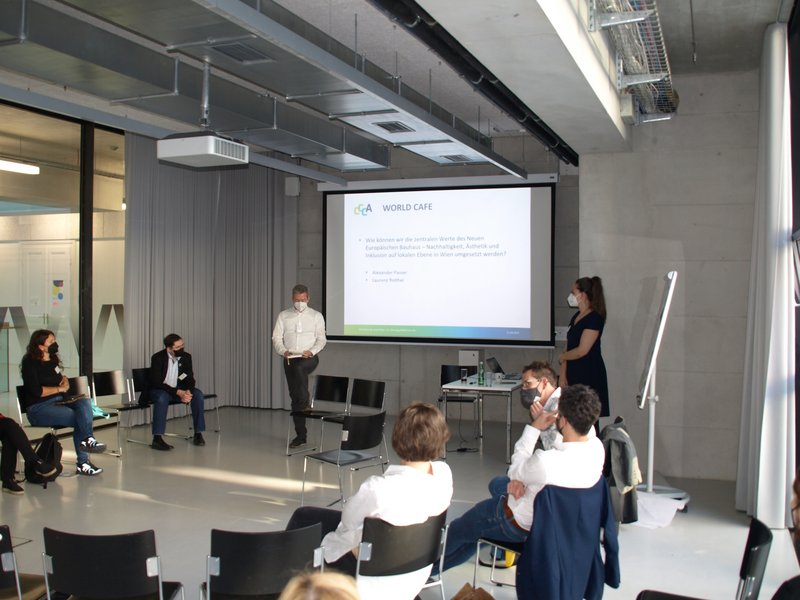
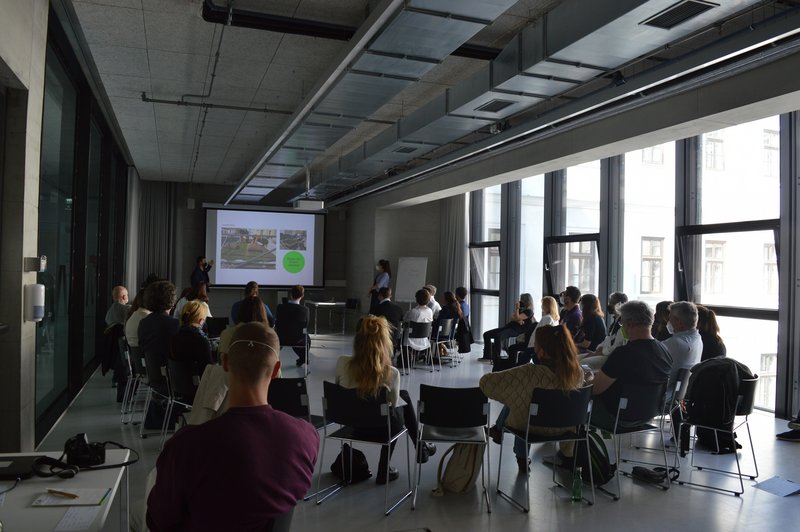
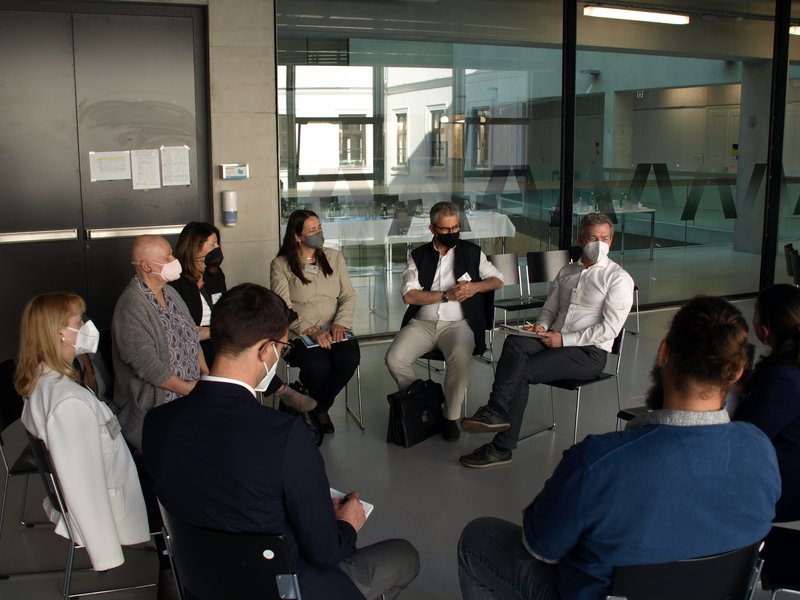
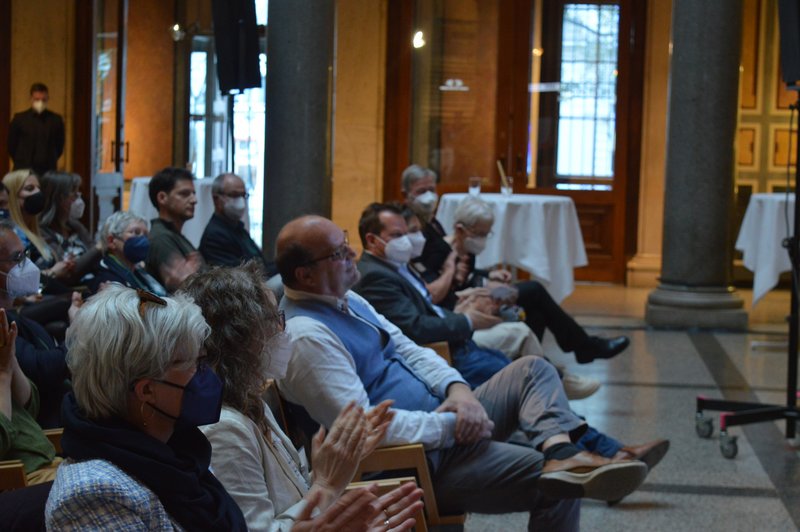
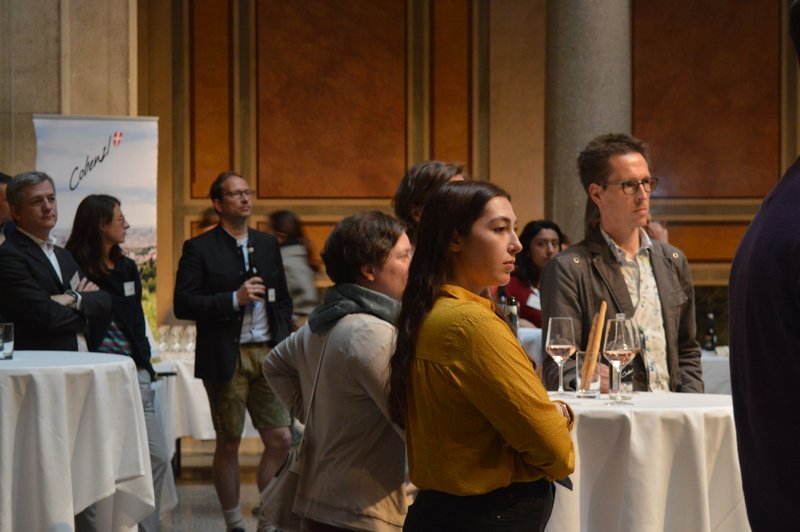
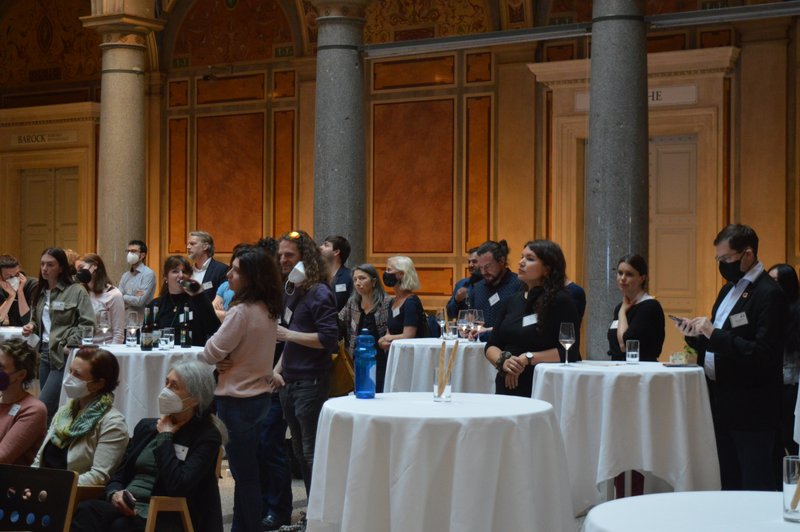
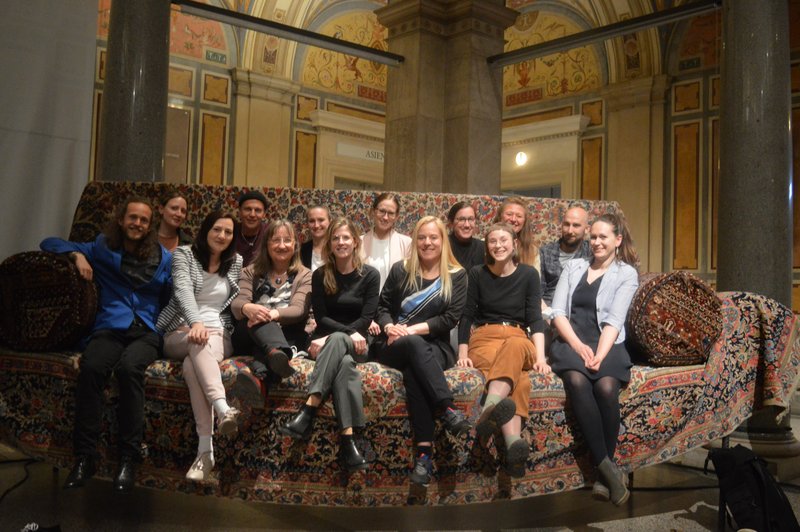
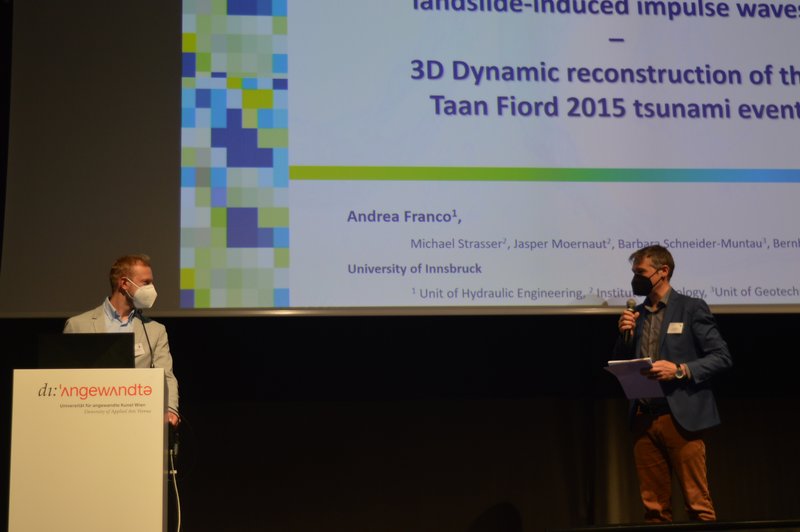
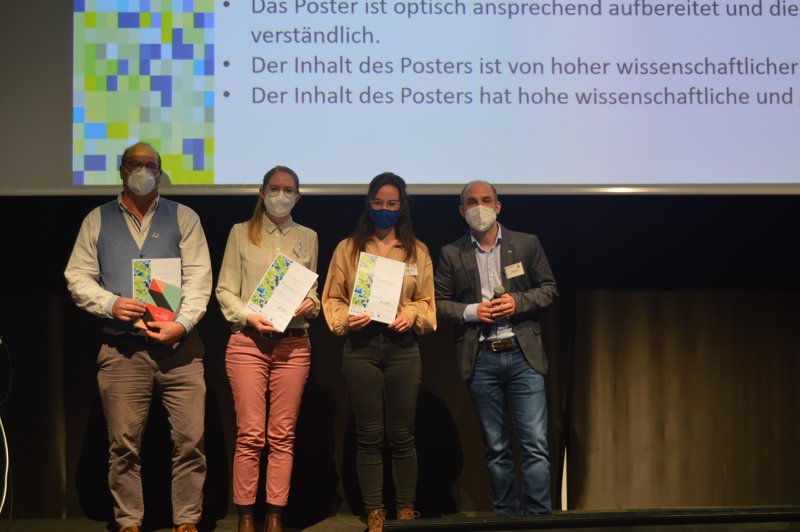
You can find the impressions of the 22nd Klimatag below.
English
Review & Impressions
Review: 22nd Klimatag "Pushing boundaries: Science, Art, Climate"
After a digital Klimatag last year, the 22nd Klimatag took place in person from 20 to 22 April 2022 with around 250 participants at the University of Applied Arts Vienna and TU Wien. The two universities thus served as hosts for the most important interdisciplinary networking event in the Austrian climate research community.
The 22nd Klimatag was held entirely under the motto "Pushing boundaries: Science, Art, Climate". Together with TU Wien, which served as host of the Icebreaker, the University of Applied Arts Vienna provided the ideal setting for this: as a University for Future, die Angewandte takes on the challenges of the global climate crisis, focusing amongst other things on transdisciplinary and creative engagement with the subject. In keeping with the motto, artistic research projects and projects from art, design and architecture were therefore presented alongside projects from classical climate and climate impact research.
In addition to the five scientific sessions "Cities & Municipalities", "Impacts & Observations", "Sustainable Adaptation Strategies", "Technological Progress" and "Challenges and Framework Conditions for Climate Protection", Austrian Climate Research Program (ACRP) research activities, funded by the Klima- und Energiefonds, were once again presented in the presence of the ACRP Steering Committee. The presentation of the previous year's Climate Status Report was also once again a fixed part of the conference.
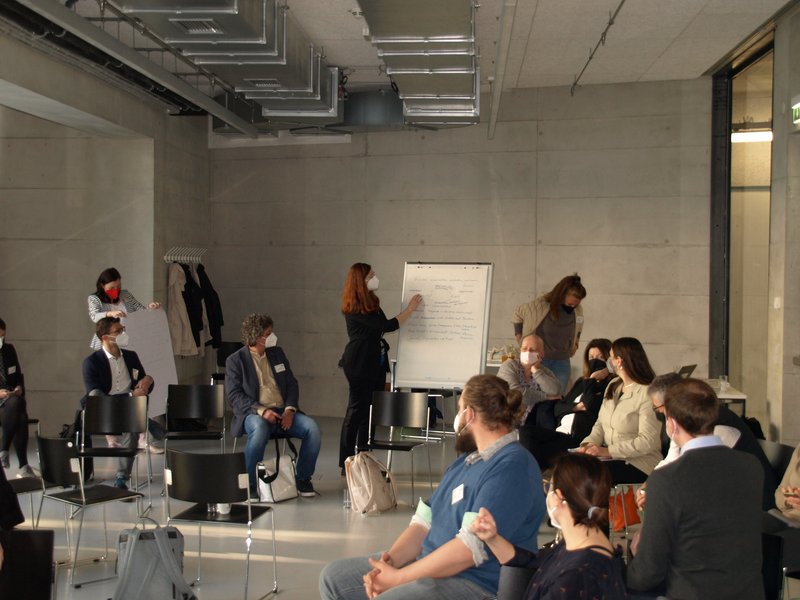
There was no shortage of participatory formats this time either. The programme included an interactive simulation workshop on Vienna's transport policy, a workshop for early-career researchers, a workshop with the City of Vienna on networking between science and administration, and a workshop on the Vienna Climate Games.
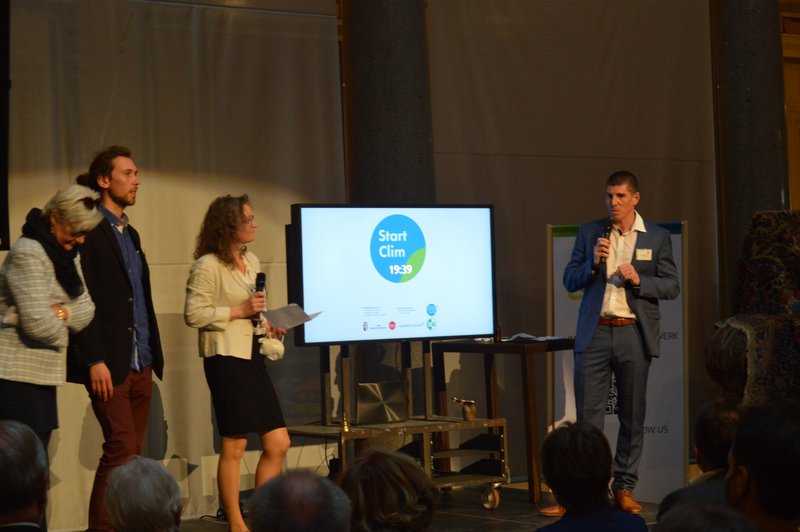
After long, primarily virtual years, the breaks and the supporting programme were particularly highlights for informal exchange. This year's evening event in the Säulenhalle of the MAK, following the first day of the conference, was entirely dedicated to the 20th anniversary of the StartClim climate research programme, featuring highlights in both content and art, as well as vegetarian delicacies sponsored by the City of Vienna.
A video recording of the conference and a short interview with CCCA board members Gerhard Wotawa (ZAMG) and Anna Meyer (MUL) were compiled by packmas.JETZT. The video can be found at the end of this article.
Below you'll find the detailed review of the programme items:
Icebreaker
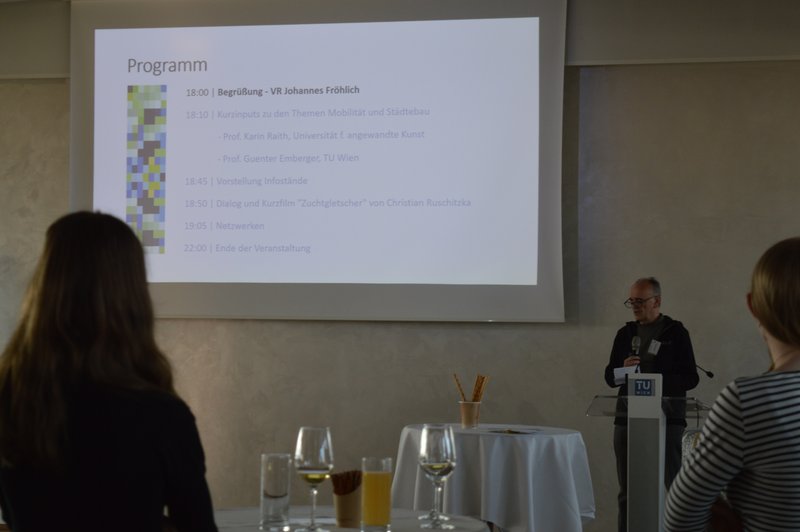
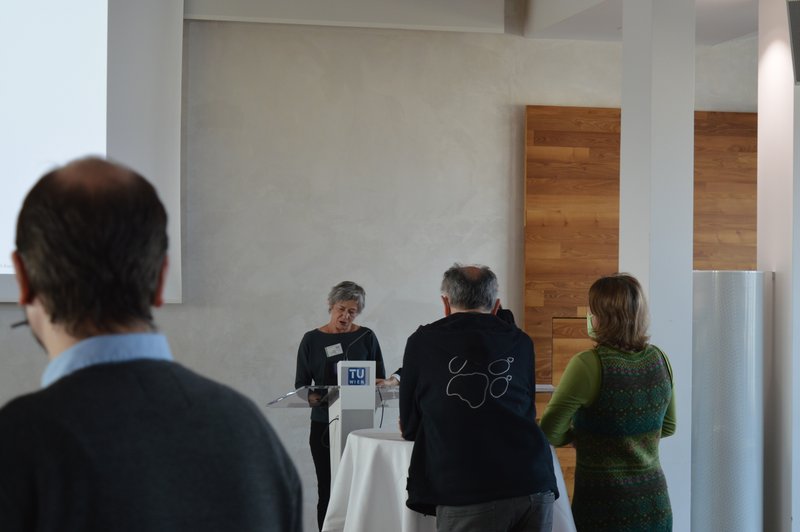
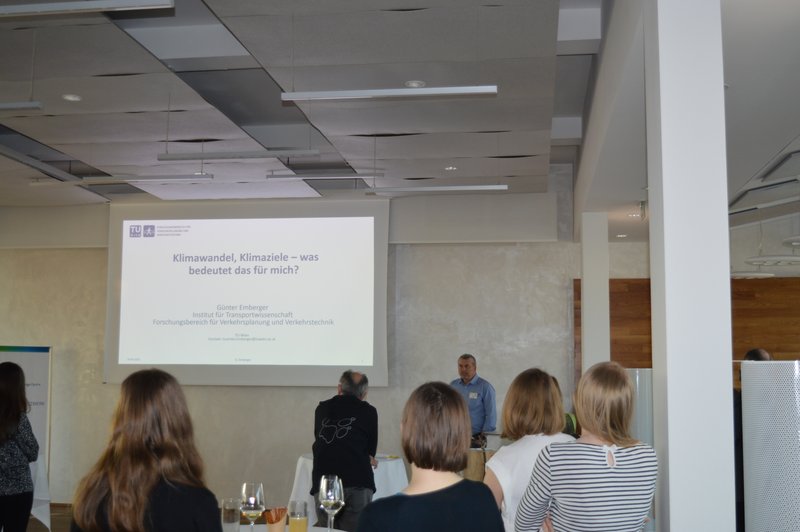
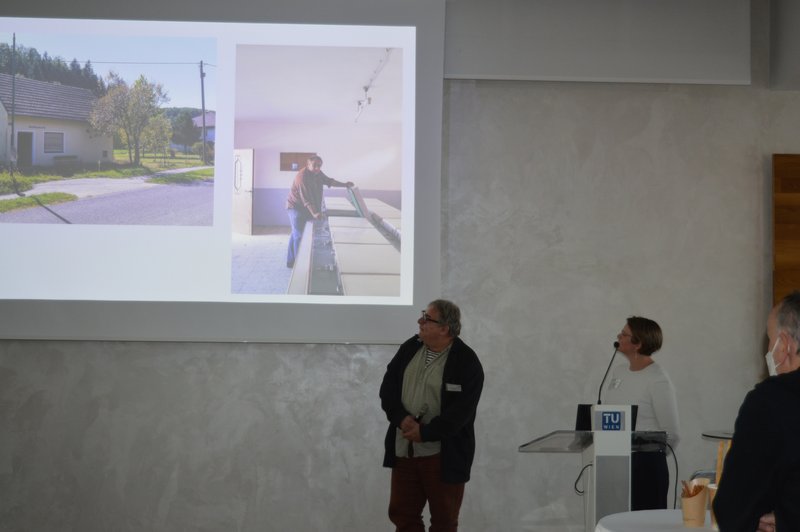
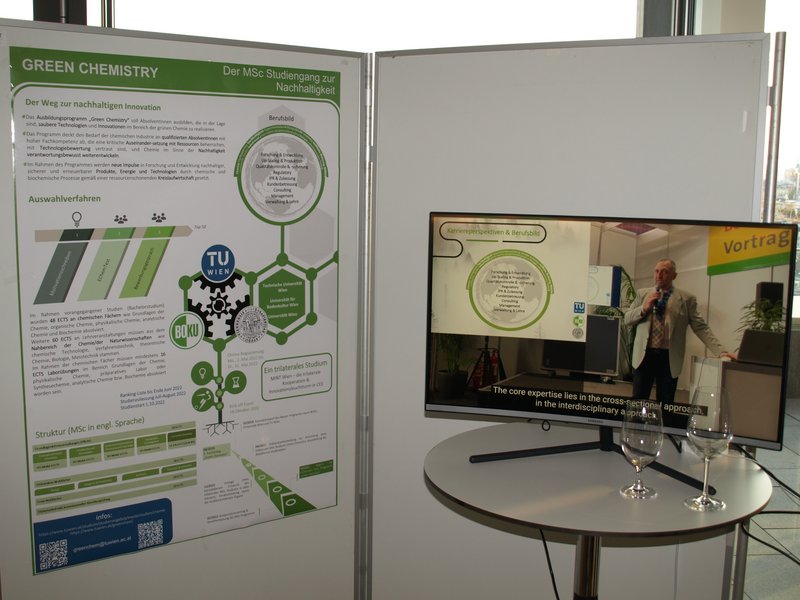
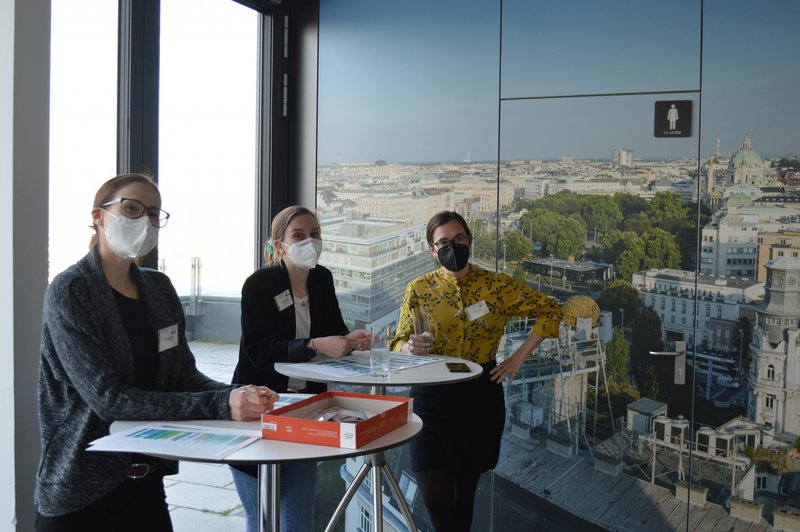
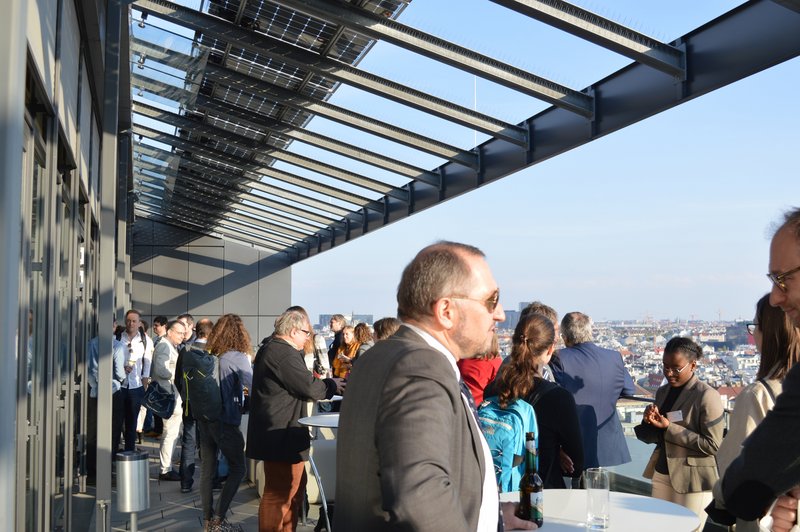
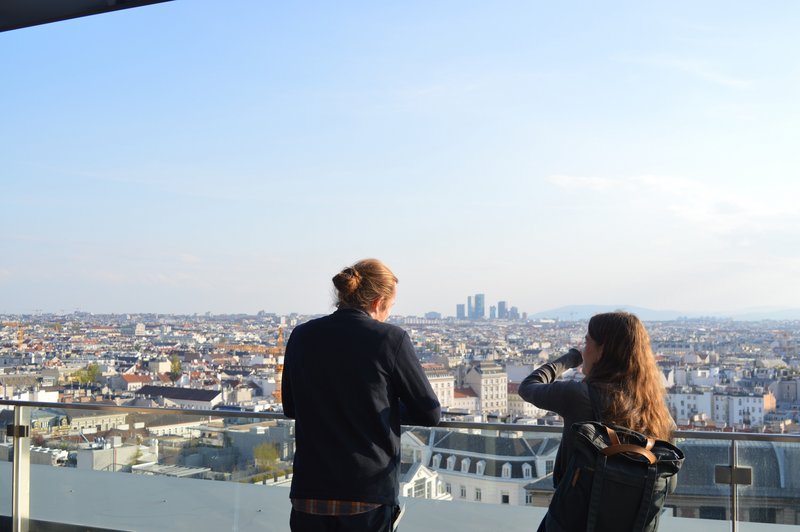
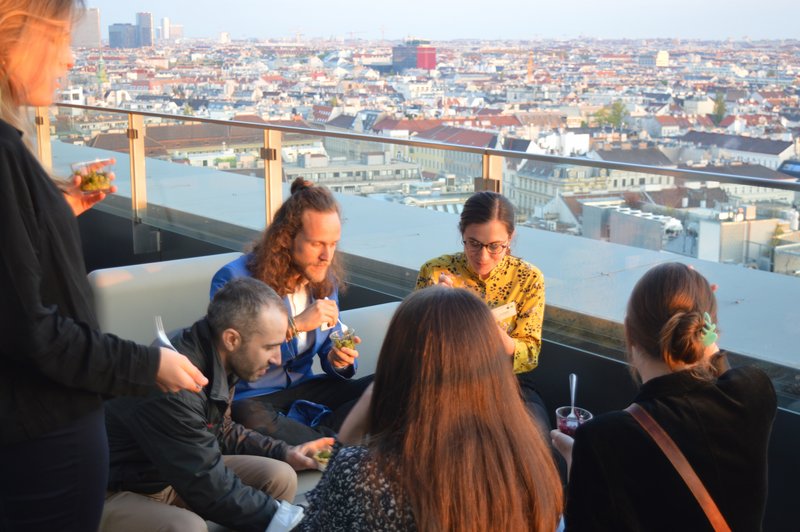
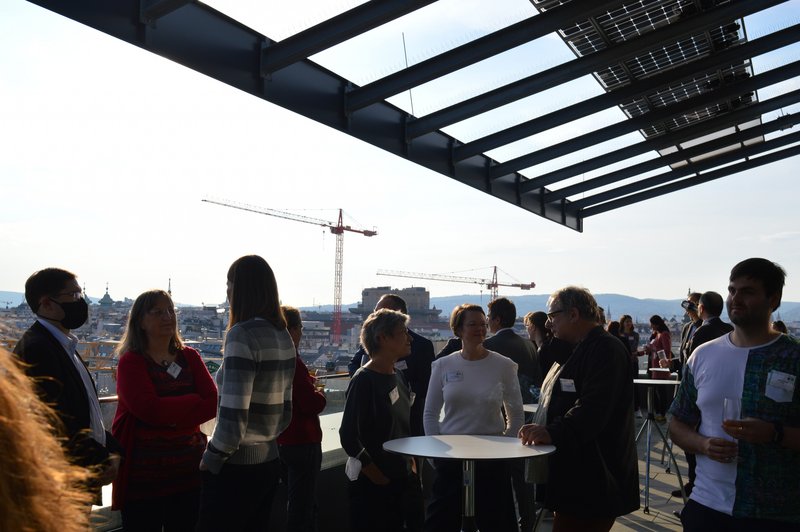
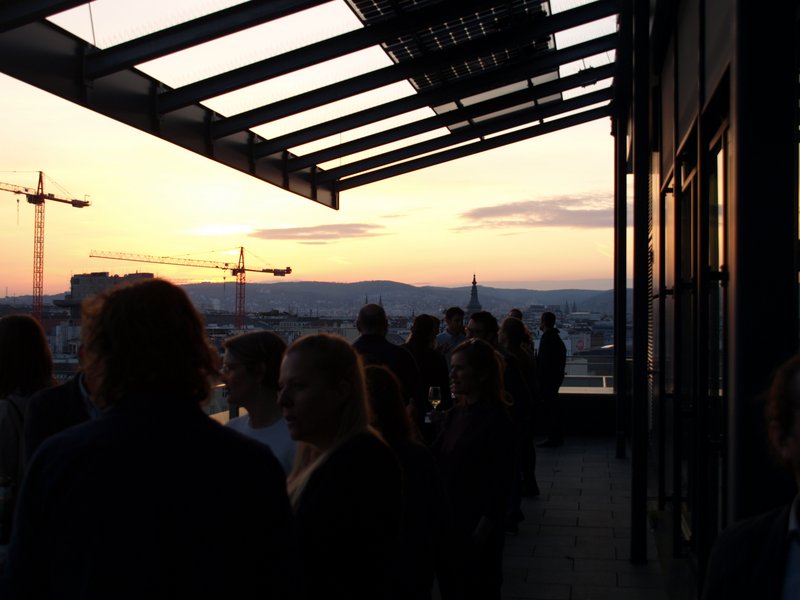
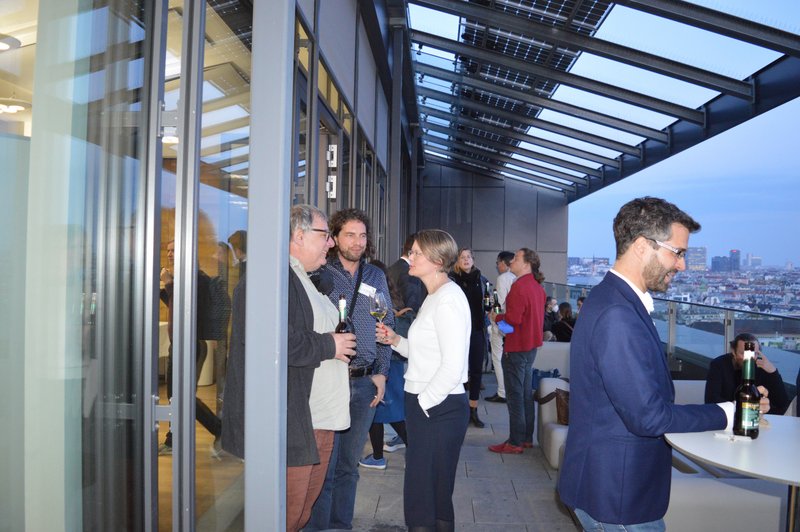
"Urban Space in Transition" was this year's Icebreaker theme, which was opened by Johannes Fröhlich (Vice-Rector of TU Wien). Short inputs from Karin Raith (die Angewandte) and Günter Emberger (TU Wien), as well as a short film including a discussion about the Zuchtgletscher project by Christian Ruschitzka and Ulrike Payerhofer (die Angewandte), paved the way for a dialogue between science and art. With information stands on the media management of TU Bib-IT, the MSc programme in Green Chemistry, and the doctoral programme CO2Refinery, TU Wien showcased a selection of its breadth of engineering sciences in relation to climate change. The pre-conference day wound down over a good glass of wine, regional delicacies, and stimulating conversations on the terrace of TUtheSky, with a stunning view over evening Vienna.
Opening, Keynote & Discussion
The keynotes on the event motto were a particular highlight: Isabella Uhl-Hädicke, environmental psychologist and expert in climate change communication, and Zeynep Aksöz-Balzar, architect and computational designer as well as partner of the Vienna-based design and research collective Open Fields, opened the Klimatag on a substantive note following the official welcome addresses from Gerhard Wotawa (CCCA Chair), Bernhard Kernegger (Vice-Rector of die Angewandte), Eva Schulev-Steindl (Rector of BOKU), Ingmar Höbarth (Managing Director of the Klima- und Energiefonds), Helmut Hojesky (Head of Department at the BMK) and Karolina Begusch-Pfefferkorn (Head of Unit at the BMBWF).
With the talks "Why don't we just do it?" and "MULTISPECTRAL NARRATIVES - Rethinking Energy Flows from the Scope of Immersive Experiences", participants were given both an insight into the paradox of why knowledge and action so often diverge in the climate crisis, and an introduction to a project in which changes are made visible and tangible through artistic means.
Right from the opening of the conference, representatives from science and art were thus sharing a stage together, exploring synergies, points of friction, and pathways out of the climate crisis with the audience.
Scientific Sessions, Poster & ACRP Poster Sessions
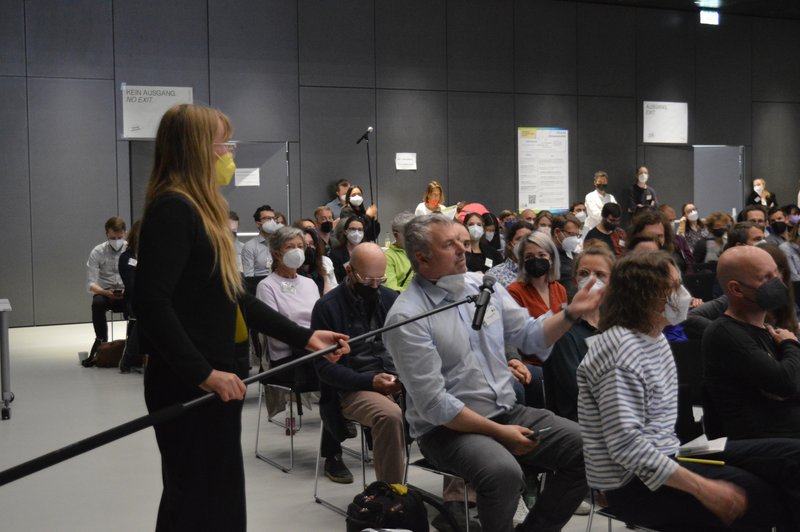
The five scientific sessions each consisted of a maximum of four selected presentations on current climate (impact) research. Plenty of space was also given to discussion of the research projects. Alongside projects from more classical climate (impact) and transformation research, artistic research projects were presented for the first time this year. This impressively demonstrated the breadth of Austrian research activities.
On the topic of "Cities & Municipalities", participants explored, amongst other things, how projects can support people through sustainable processes, how climate protection measures affect the social fabric of a community, and what role users might play in the energy market of the future.
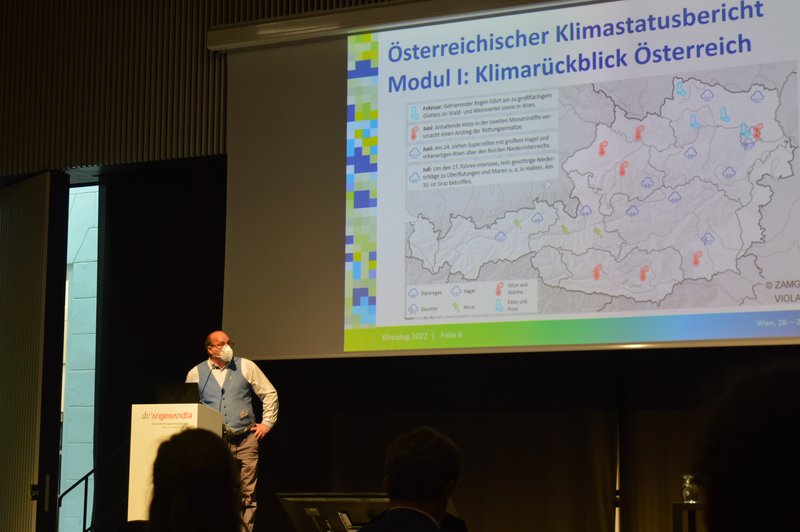
The second session of the day was dedicated to "Impacts & Observations". Following the presentation of the Climate Status Report 2021, further specialist presentations explained how advancing climate change is linked to extreme weather events, what impacts these can have, and how science can help minimise damage as much as possible.
The session "Sustainable Adaptation Strategies" at the end of the first conference day was discussed at the levels of natural habitats, agriculture and forestry, society, and policy.
The session "Technological Progress" addressed the risks to and potential applications of forests in climate protection, as well as artistic approaches to energy from petroleum and research into a green hydrogen cycle.
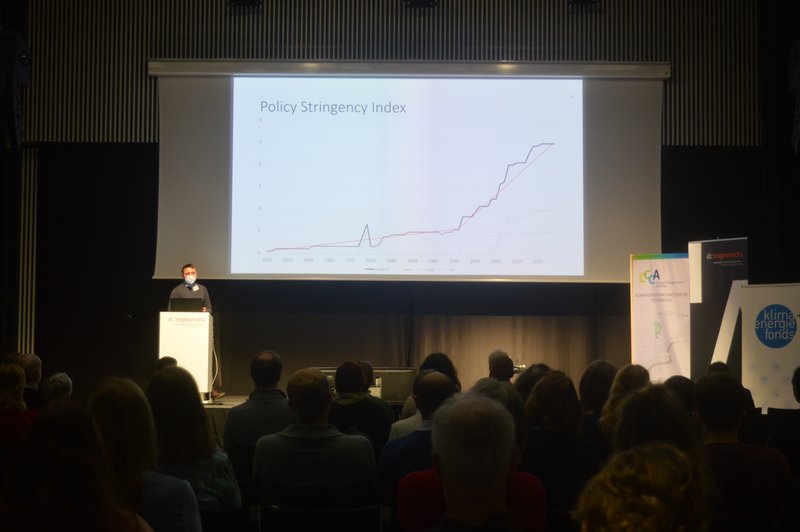
The session "Challenges and Framework Conditions for Climate Protection" tackled the inertia in transforming the transport sector, country-specific political practices in developing climate protection legislation, and global inequality in emission pathways.
In addition to the presentations, thematically relevant scientific posters were assigned to each session. During the interactive coffee and lunch breaks, conference participants had the opportunity to find out more and exchange views on a total of 50 posters.
As part of ACRP Poster Session I and ACRP Poster Session II, quality assurance took place for around 15 selected ACRP projects in the presence of the ACRP Steering Committee. The projects covered topics ranging from social innovations for mitigation and adaptation through to extreme weather events and greenhouse gas fluxes in the soils of Austrian forests.
Artistic Perspectives on Climate Change
Exchanging ideas beyond one's own field is becoming increasingly important. Complex interrelationships and challenges, such as climate change, require collaboration across disciplines, fields, and methods. For this reason, alongside the call for scientific contributions, there was an opportunity this year to also submit projects from art, design, and architecture. These were then evaluated and selected by an interdisciplinary jury made up of representatives from science and the arts. During the conference, 4 contributions were presented alongside the scientific posters.
The new thematic impulses introduced this year accordingly also contributed to the networking & dialogue character of the Klimatag.
Workshops
The interactive workshop (Social Simulation) on Vienna's transport policy invited participants to an online discussion about different visions for decarbonising passenger transport in Vienna. Participants made decisions on fictitious but plausible policy proposals in response to real challenges facing the city. The workshop was designed by members of the Equity and Justice Research Group at the International Institute for Applied Systems Analysis (IIASA) and the Centre for Systems Solutions (CRS) as part of an international research project.
As part of the CCCA Workshop for Early-Career Researchers on the topic of "Climate research that makes an impact in practice", Sandra Walder (APA), Sabine Hoffmann (ambuzzador), Magdalena Wallis (glacier), Susanna Erker (Stadt Wien) and Michalis Tzatzanis (FFG) discussed with participants how to communicate research findings to different target audiences. At the same time, early-career researchers were able to get feedback on specific examples, questions, and ideas from their own research process (e.g. on presenting results or involving relevant stakeholders in the research process).
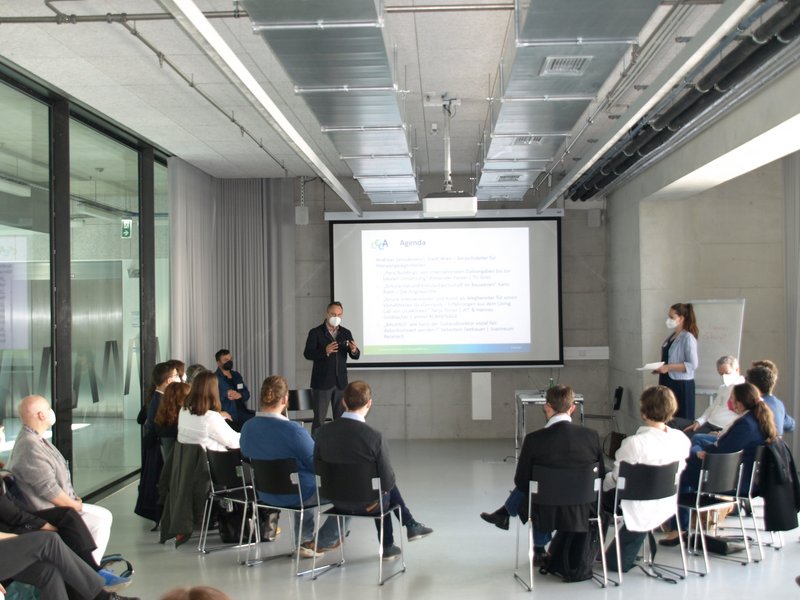
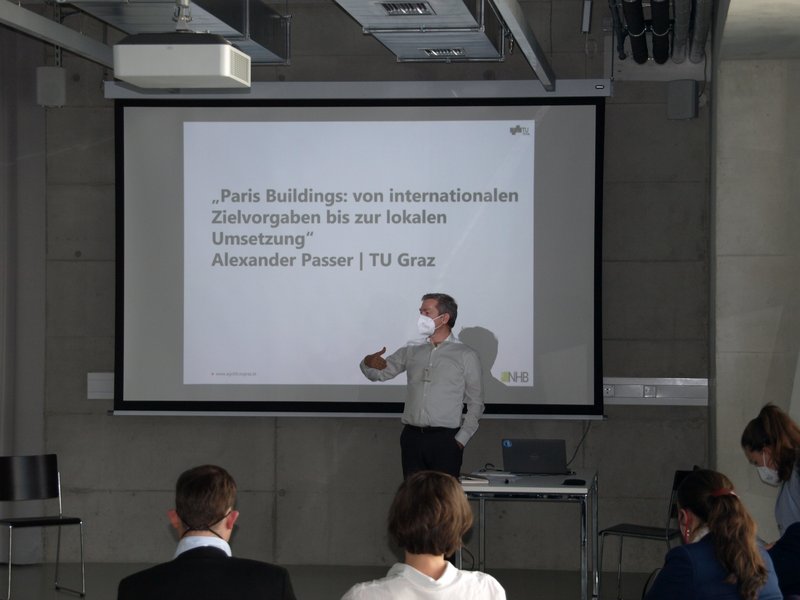
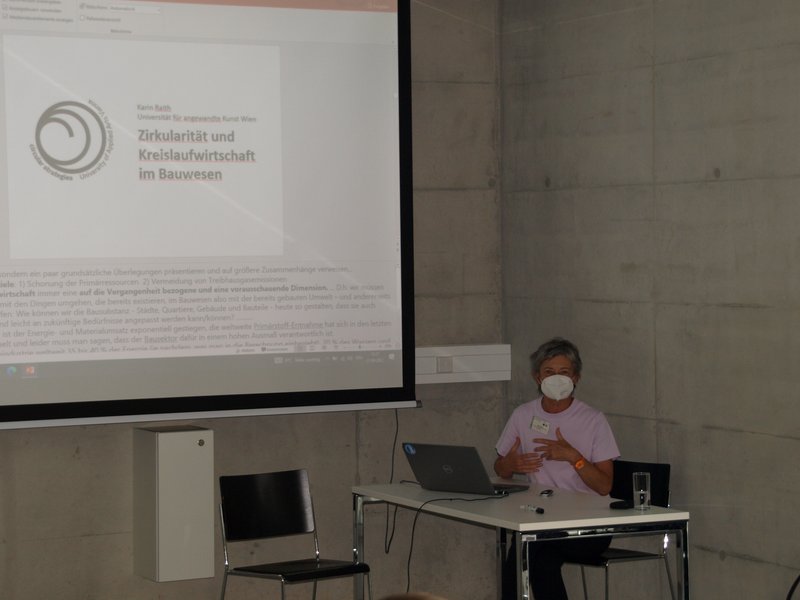
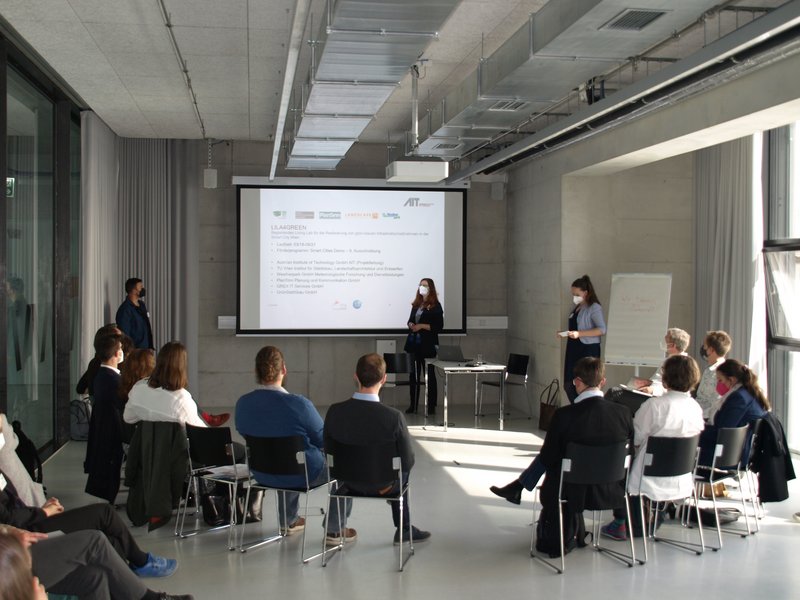
The CCCA Administration Workshop with the City of Vienna on the topic of "We're building the future! Sustainability, aesthetics, and inclusion in construction and urban planning" was opened by Andreas Januskovecz, Head of Climate Affairs for the City of Vienna, before scientific inputs from Alexander Passer (TU Graz), Karin Raith (die Angewandte), Tanja Tötzer (AIT), Hannes Gröblacher (atelier KOMBINAGE) and Sebastian Seebauer (Joanneum Research) served as a basis for discussion amongst the approximately 35 experts from science and public administration. The content was then explored further in a World Café format.
In the Vienna Climate Games Workshop, conference attendees were able to dive into negotiations on climate protection measures for the City of Vienna up to 2030, using the climate action card game developed together with Viennese school pupils, and in doing so learn how interest balancing and the exercise of power work in negotiations.
Evening Event
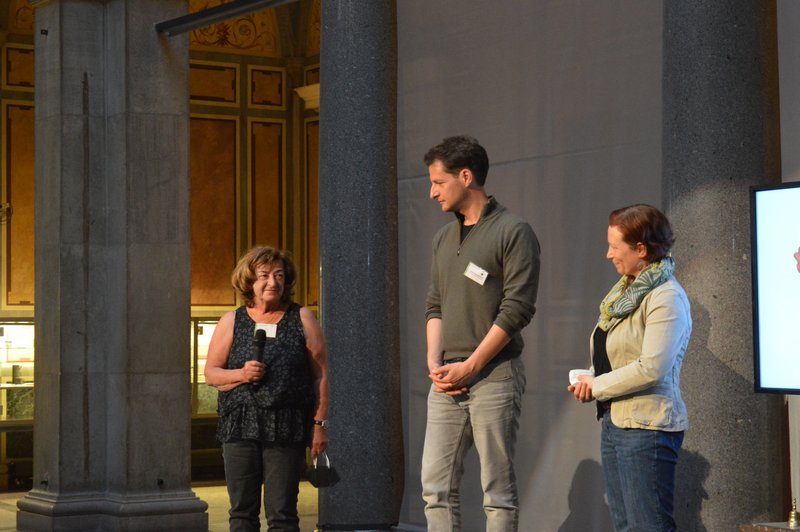
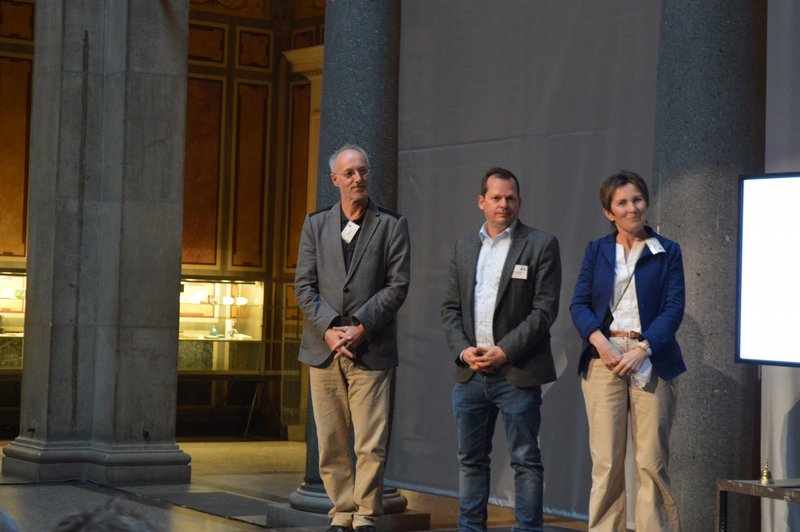
This year's evening event was entirely dedicated to the 20th anniversary of the climate research programme StartClim. StartClim is considered an important pioneer for Austrian climate research and has made a significant contribution to establishing a climate research community. The festive setting for the anniversary was the column hall of the Museum of Applied Arts – MAK. After a brief welcome by Helmut Hojesky (BMK) and Herbert Formayer (BOKU), representatives of the funding partners, the review team, individual projects, and the programme management took to the floor with short statements in tribute to StartClim. Personal anecdotes from long-time companions such as Maria Balas (UBA) rounded off the insights into the programme, before the buffet was officially opened by City Councillor Jürgen Czernohorszky (City of Vienna). Guided tours through selected exhibitions provided a further highlight of the convivial evening.
CCCA Awards
The early-career award for 2022 went to Andrea Franco (UIBK) for the paper "Triggers and consequences of landslide-induced impulse waves - 3D dynamic reconstruction of the Taan Fiord 2015 tsunami event".
The CCCA Poster Award was once again a fixed part of this year's conference. All participants were able to vote for the CCCA Poster Award throughout the conference. Based on the vote, a jury awarded the poster prize. This year's jury consisted of Harald Rieder (BOKU and CCCA Chair), Anna Meyer (MUL and CCCA Board) and Alexander Passer (TU Graz, Klimatag Programme Committee and CCCA Board). The following posters were selected for the top 3 places:
- 1st place: P04 Magdalena Holzer (weatherpark GmbH): ProBACH - Potential und Nutzung ehemaliger städtischer Fließgewässer als neue Erholungsräume
- 2nd place: P29 Elena Haeler (BFW): Austrian small-scale forest owners and their role in the bioeconomy – what does climate change mean for them?
- 3rd place: ACRP22_01 Victor Scharnhorst (BOKU): CLIMBEE - Evaluating the effects of climate warming on wild bee communities
Co-organisers and Funders
The 22nd Austrian Klimatag was made possible thanks to the support of the following institutions (listed alphabetically), whom we would like to warmly thank on behalf of the entire CCCA:
- Federal Research Centre for Forests
- Federal Ministry of Education, Science and Research
- Federal Ministry for Climate Protection, Environment, Energy, Mobility, Innovation and Technology
- Climate and Energy Fund
- Museum of Applied Arts - MAK
- City of Vienna
- StartClim
- Graz University of Technology
- TU Wien
- University of Natural Resources and Life Sciences, Vienna
- University of Applied Arts Vienna
- Austrian Institute of Economic Research
- Central Institute for Meteorology and Geodynamics