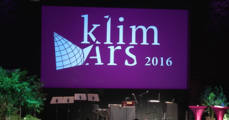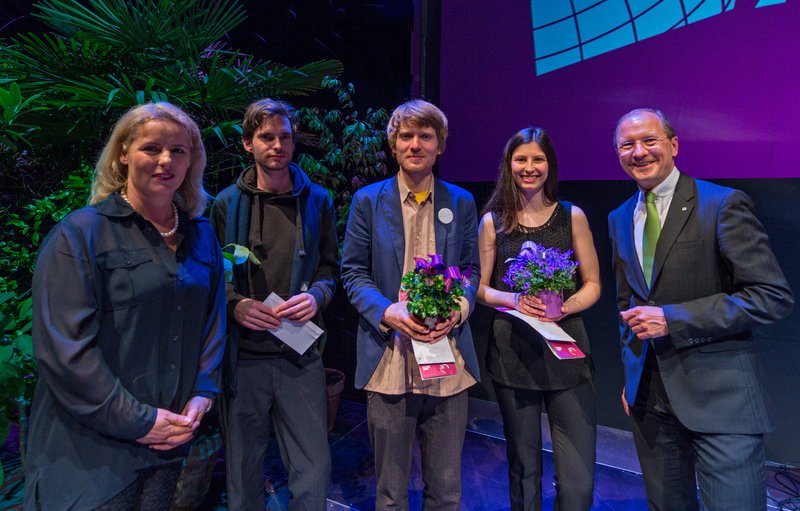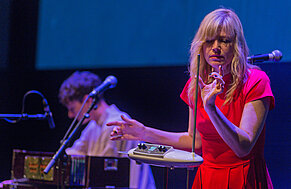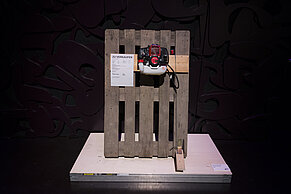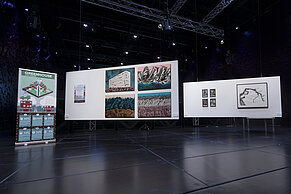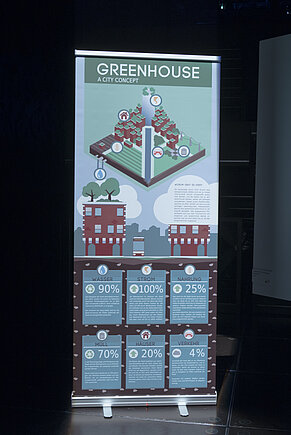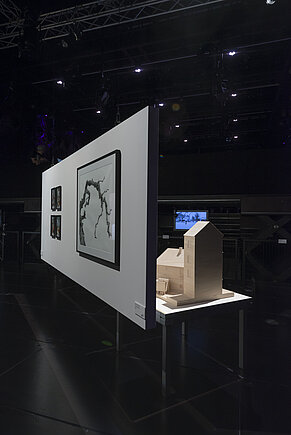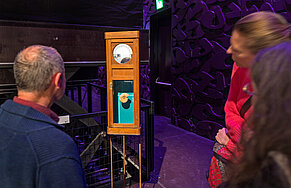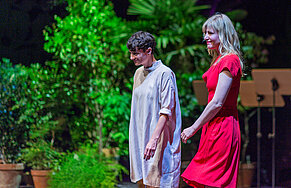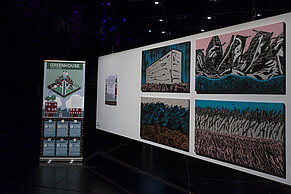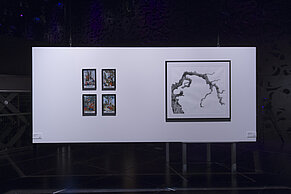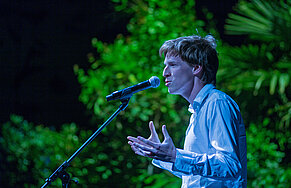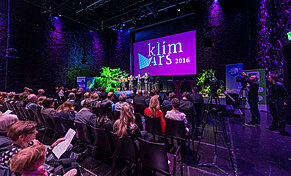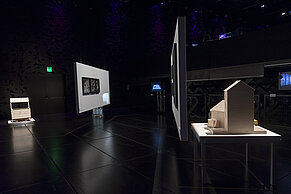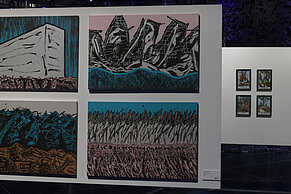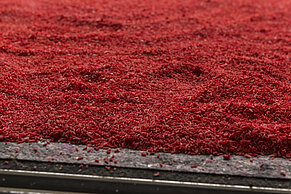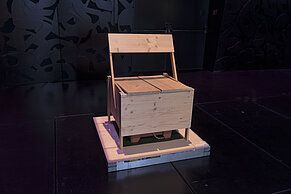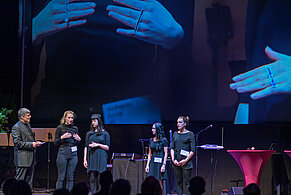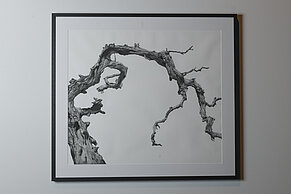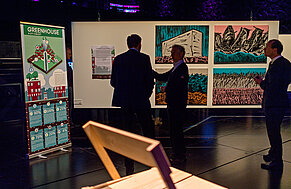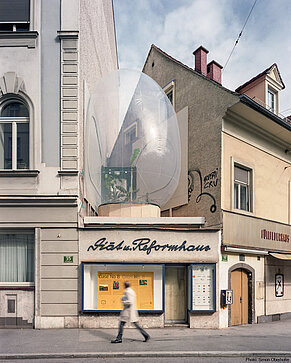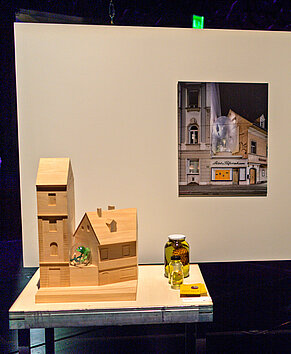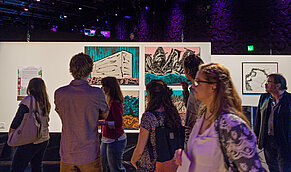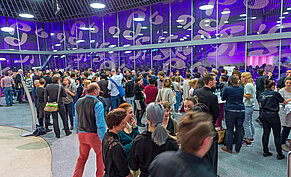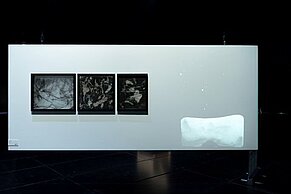


When artists engage with climate change and its impacts in their work, entirely new images emerge. That's exactly what happened at the Klimatag 2016 in Graz. Through the KlimARS competition, where jury-selected artworks from three categories were presented and three prizes awarded, 20 artists showed with their interpretations just how subjective engagement with this very personally experienced topic can be — and how it can be communicated through a wide range of creative resources to reach a broader audience. The guests that evening were equally delighted and surprised by the performances presented on stage and the artworks on display.
It's scientifically proven: climate change is happening; its impacts across all regions of the world continue to grow; and yet humanity keeps amplifying climate change through its own behaviour.
The KlimARS 2016 competition sought out artistic responses to this reality. The questions put to artists were: Does climate change play a role in your work? How would you express climate change in your medium?
Art can help communicate scientific facts to a wider audience, with the aim of raising awareness of climate change.
The competition was open to artists who translated climate change, its impacts, or our ways of dealing with it into a new language through their work — making the dynamics associated with it tangible and experiential.
Key facts:
Following the call for entries published in November 2015, a total of 99 artistic submissions were received by the closing deadline in February 2016. A jury drawn from the fields of climate research, visual arts, performing arts, music, and cultural journalism selected 20 works from these submissions, which were presented to the public at a celebratory event on 7 April at the House for Music and Music Theatre (MUMUTH) of the University of the Arts Graz.