

Climate Capital Graz - Three Days Working Towards a Sustainable Future
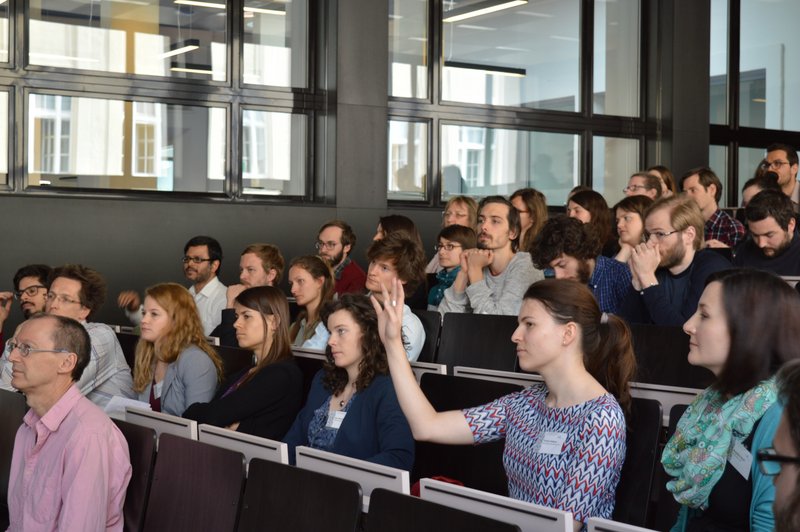
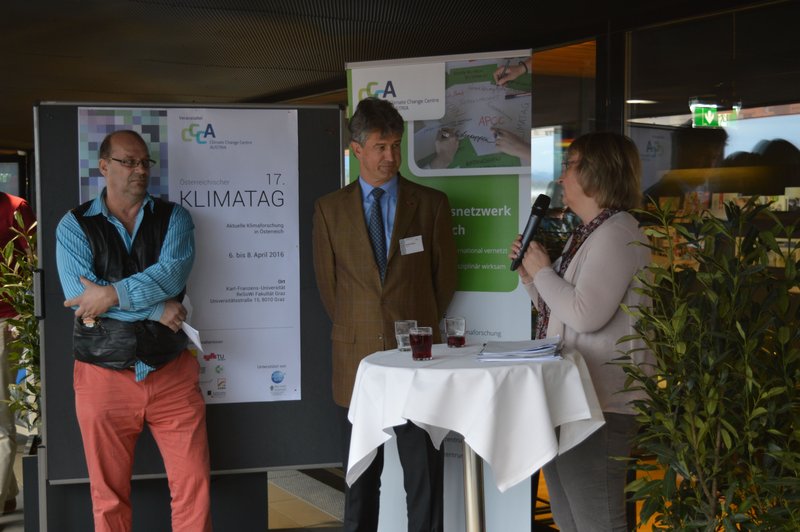
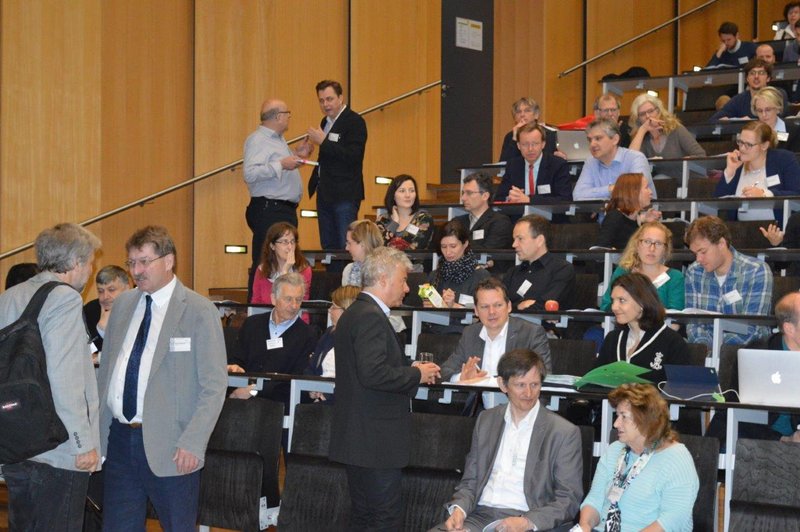
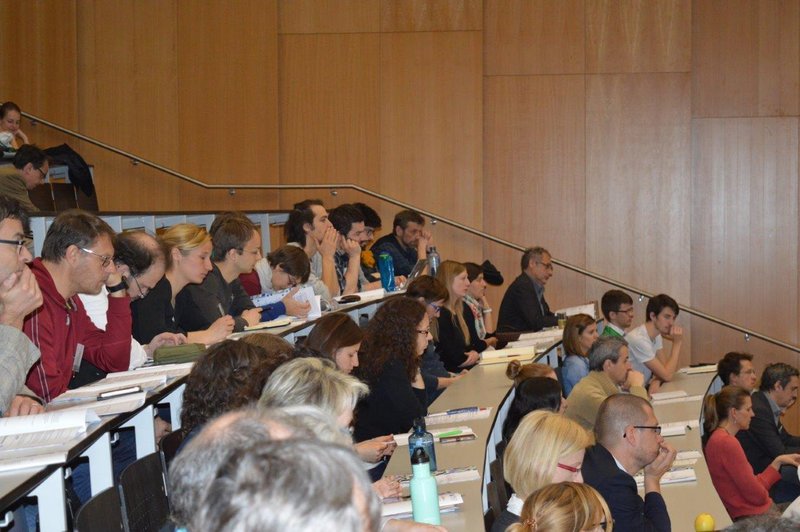
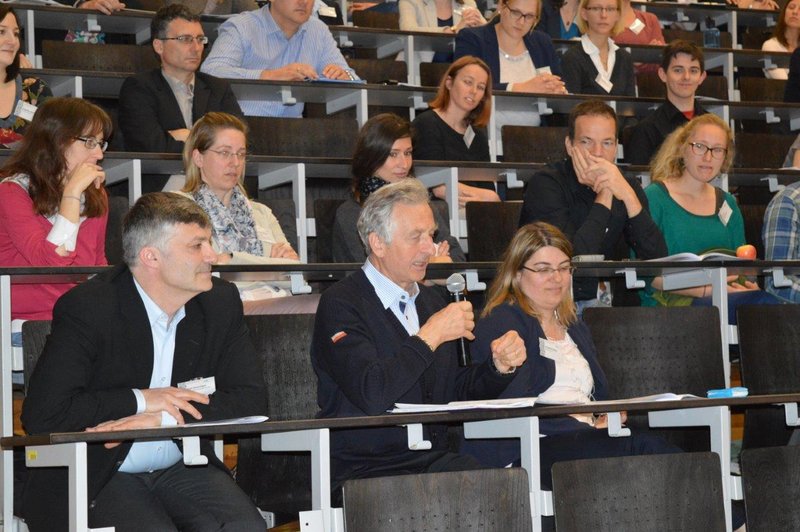
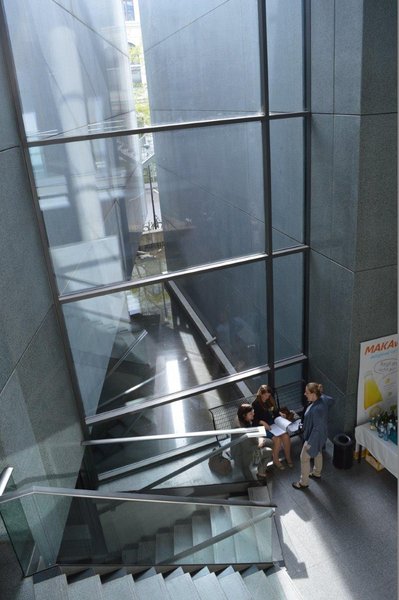
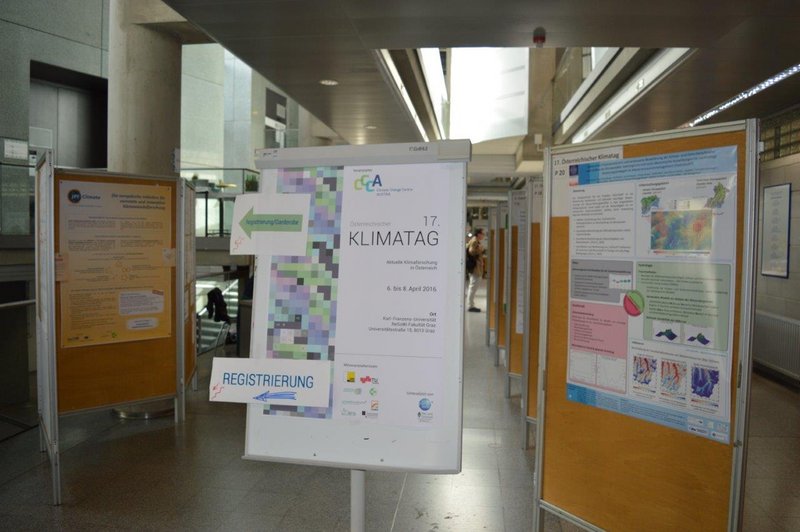
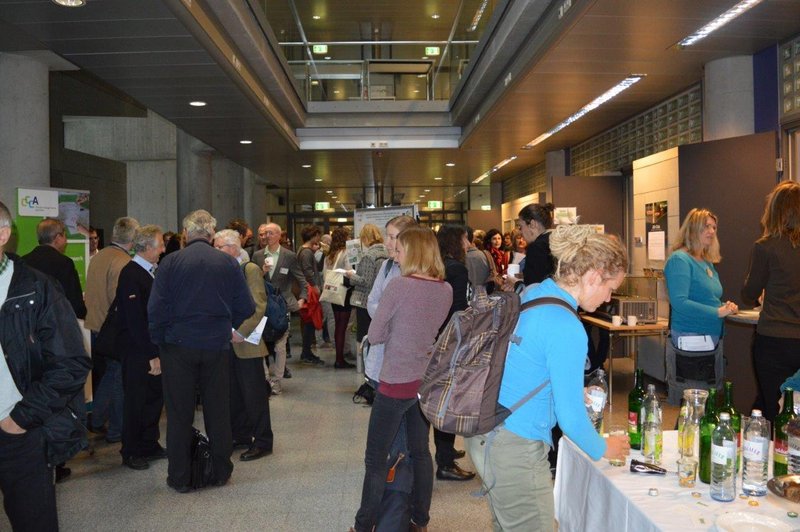
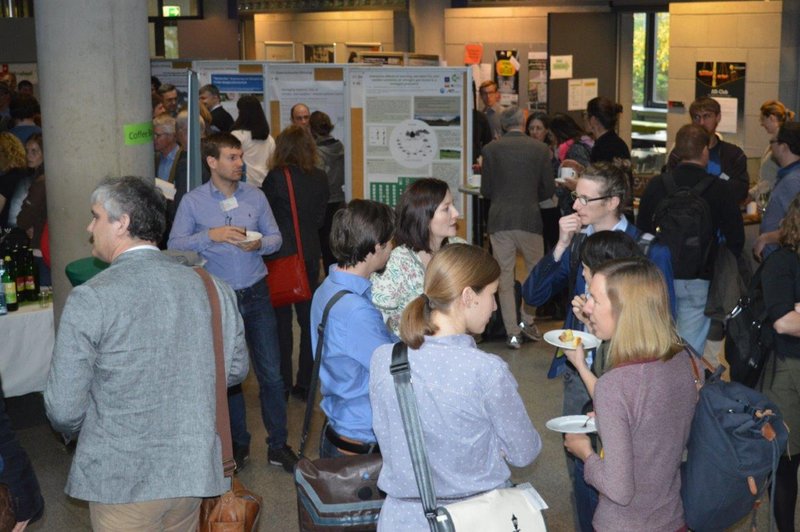
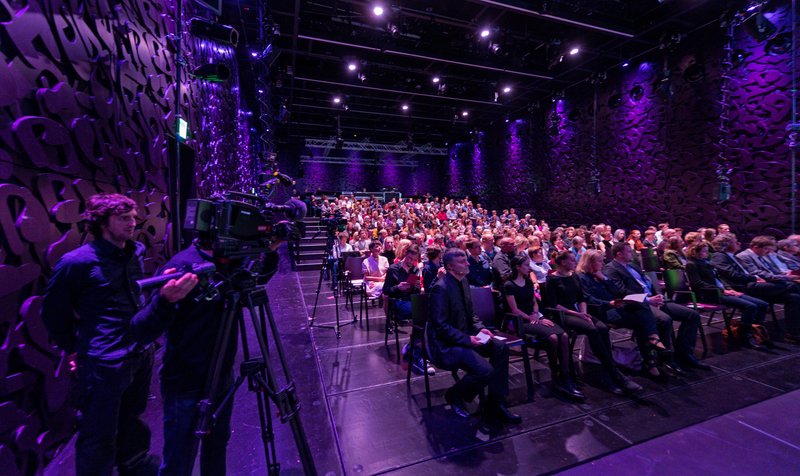
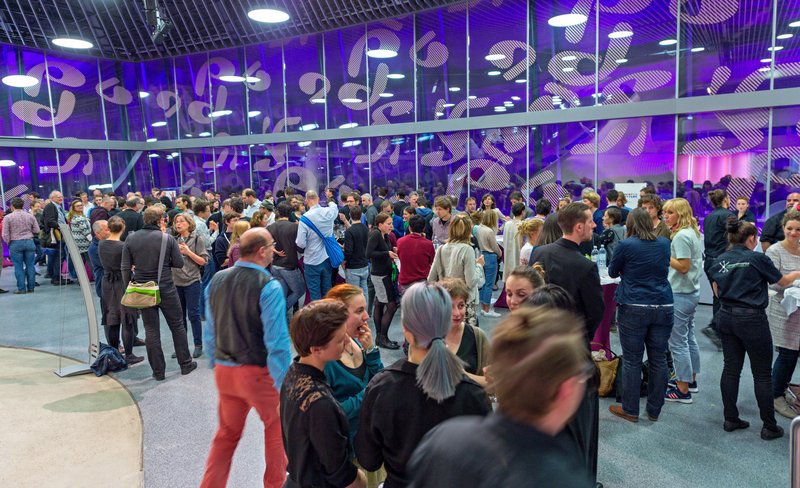
From 6 to 8 April, more than 300 scientists, multipliers, people from public administration, and Austrians interested in the topic gathered in Graz for the first time to discuss the challenges of climate change and talk about scientific progress at the 17th Austrian Klimatag.
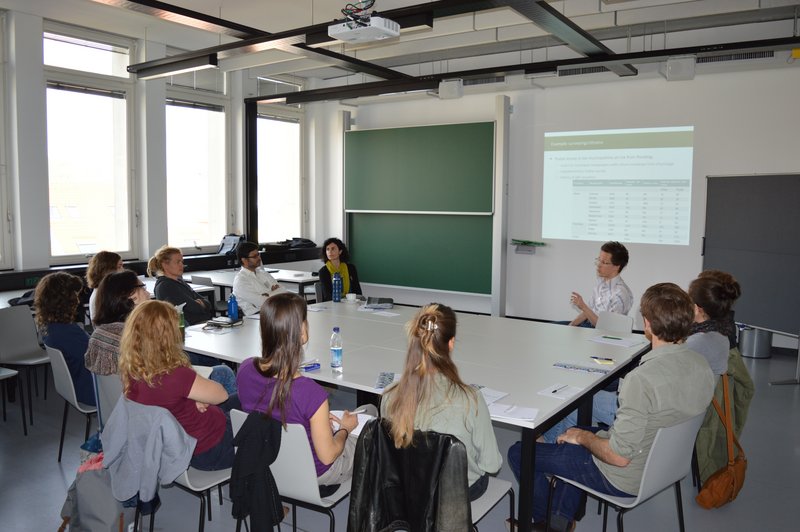
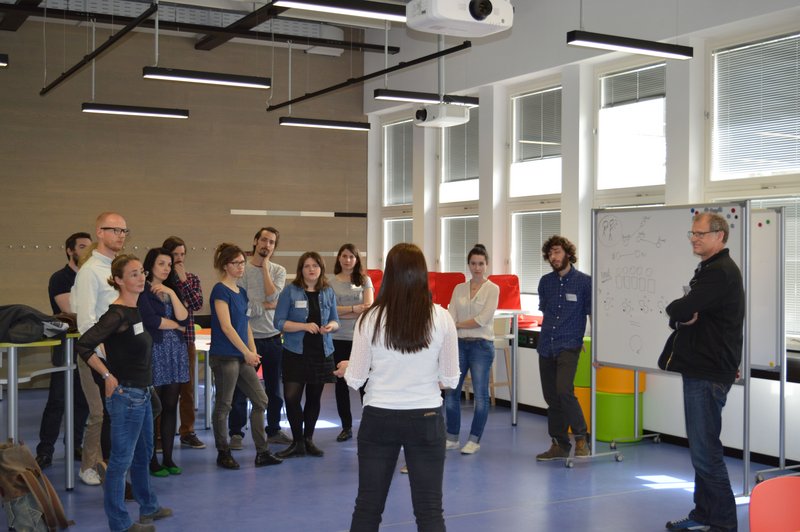
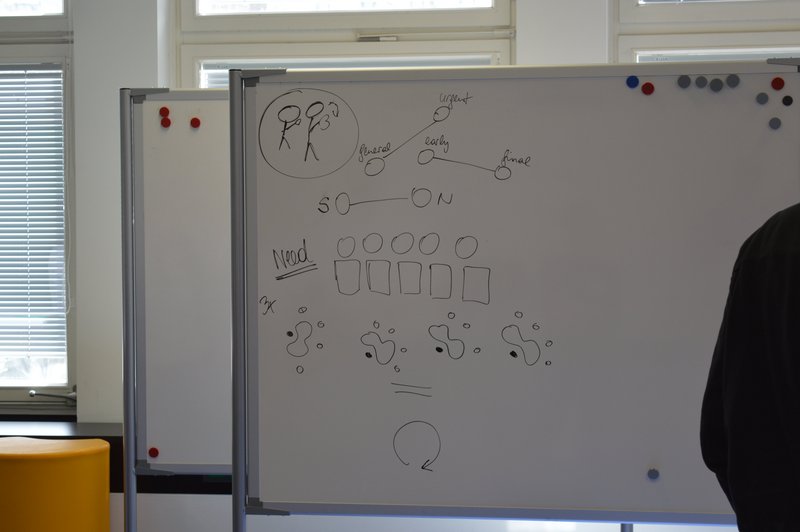
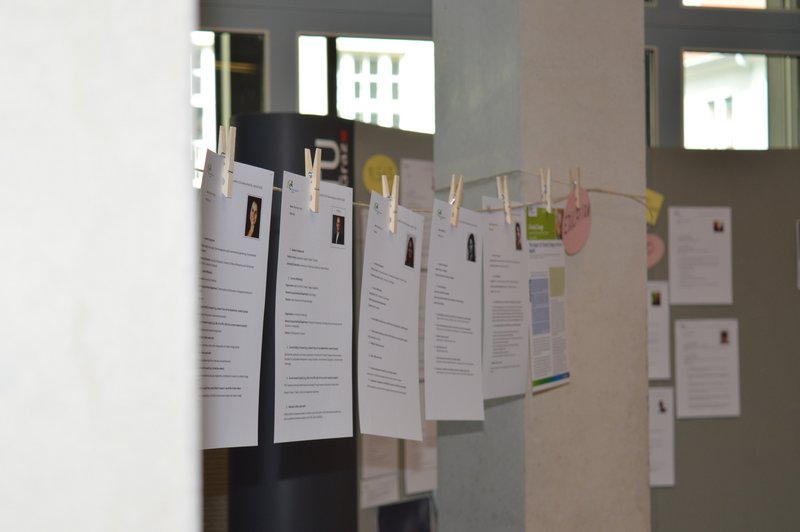
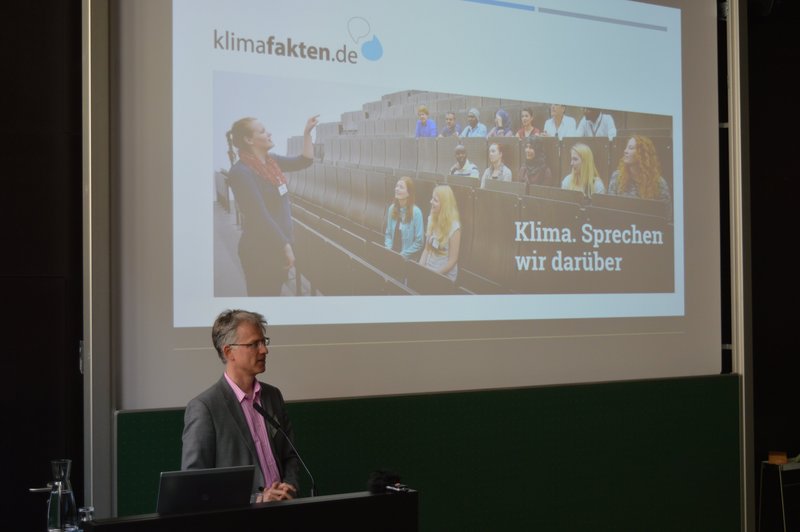
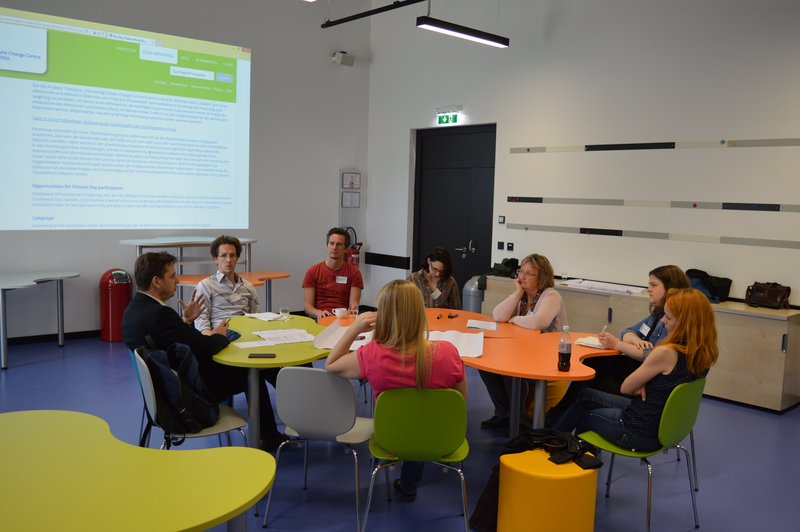
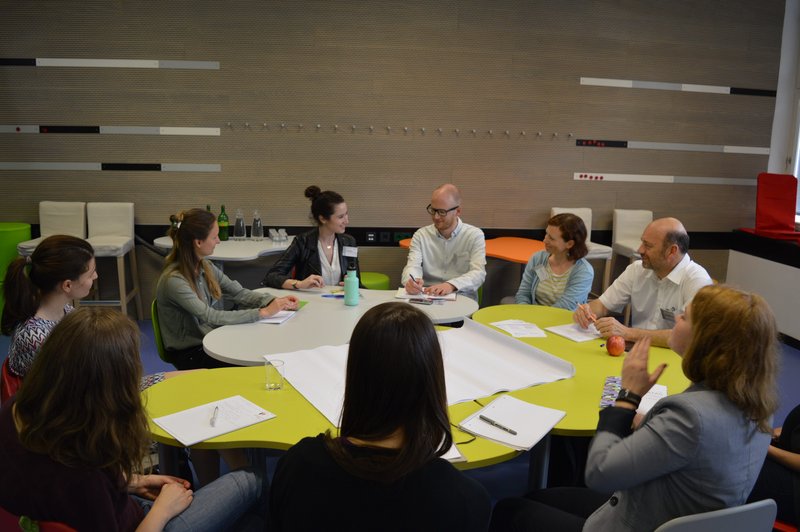
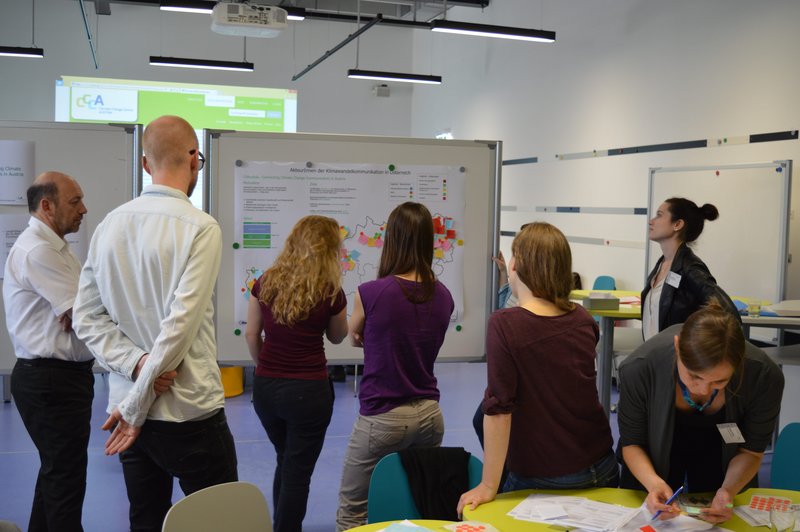
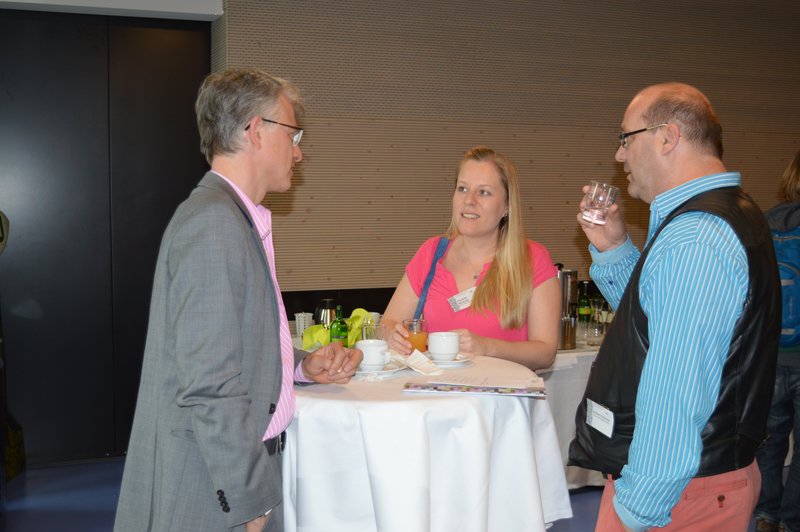
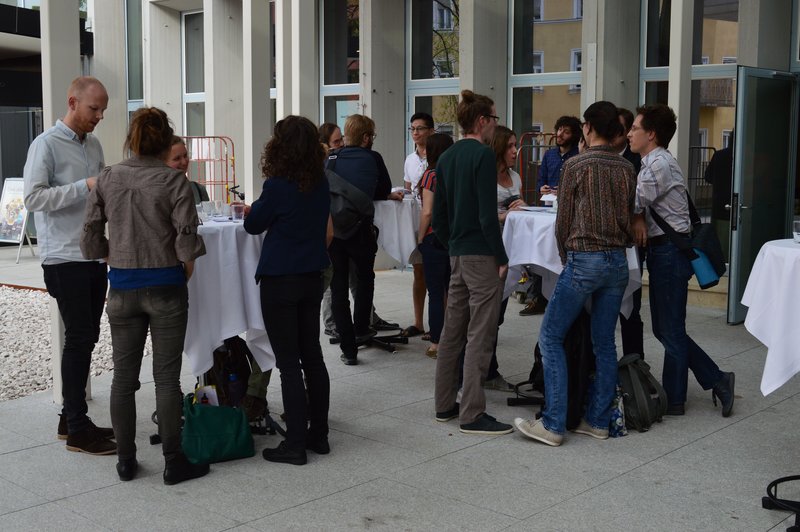
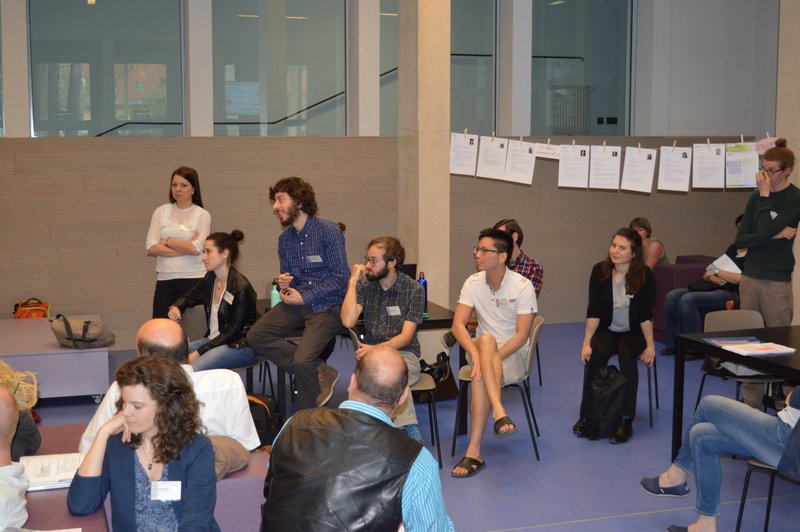
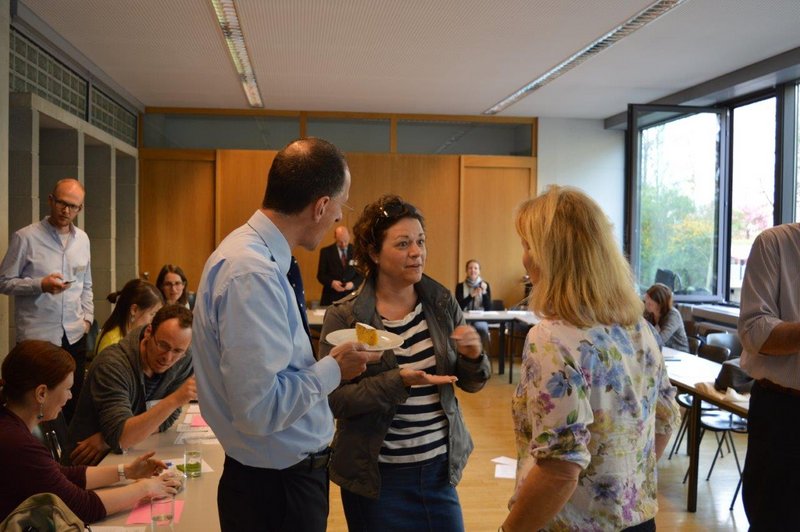
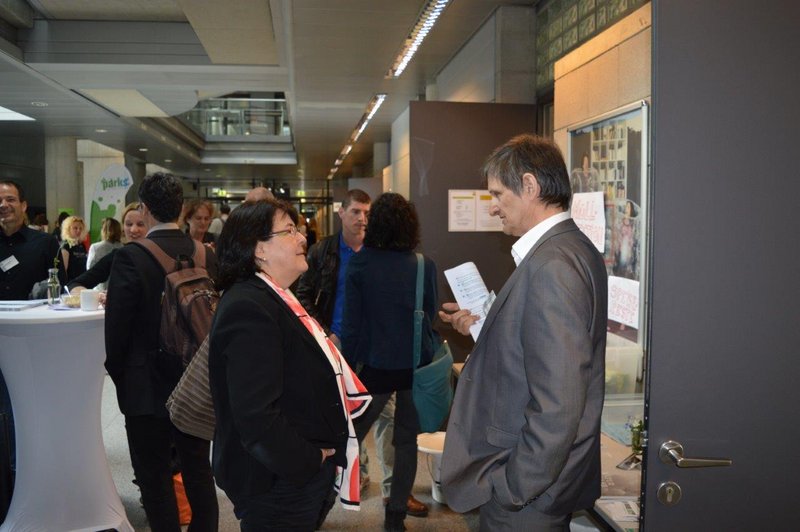
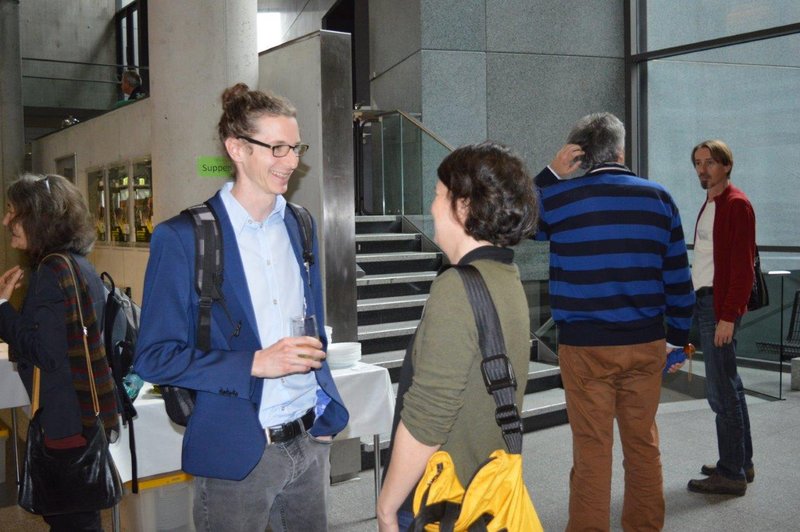
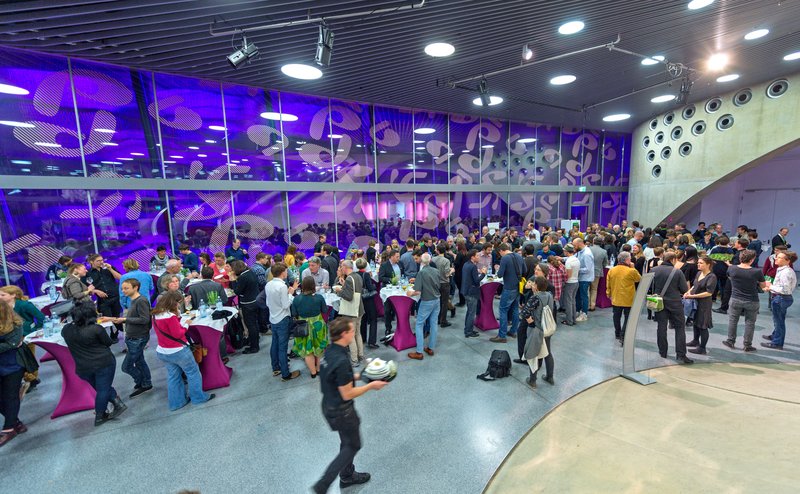
The first day was dedicated to networking amongst researchers and took place for the very first time this year — the focus wasn't on presenting scientific facts, but rather on cross-disciplinary engagement with different topics, approaches, and professional perspectives. Around 80 established and early-career scientists took advantage of this opportunity to network and exchange ideas. Alongside open space tables and discussion groups, the workshops on climate change and communication attracted particular attention — participants got to try out the dos and don'ts of successful communication live on the spot through a radio documentary. Afterwards, Rector Kainz of TU Graz and Herbert Formayer from CCCA welcomed guests at the Klimatag 'Icebreaker', kicking off a great evening of networking.
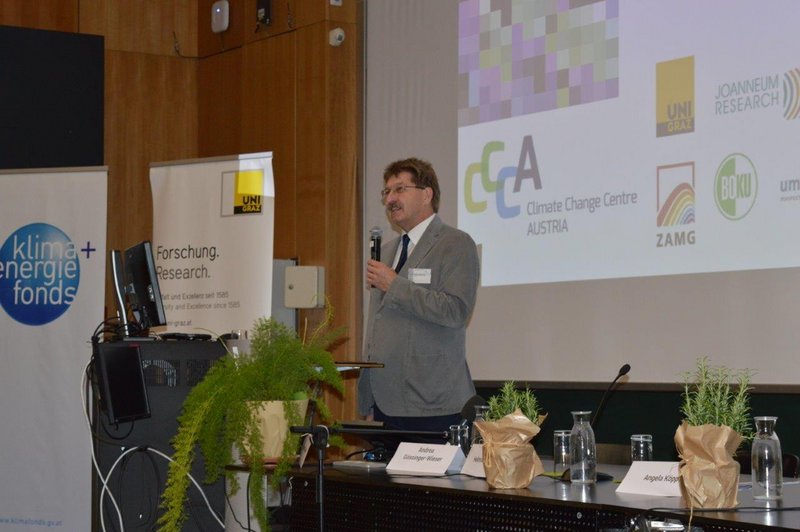
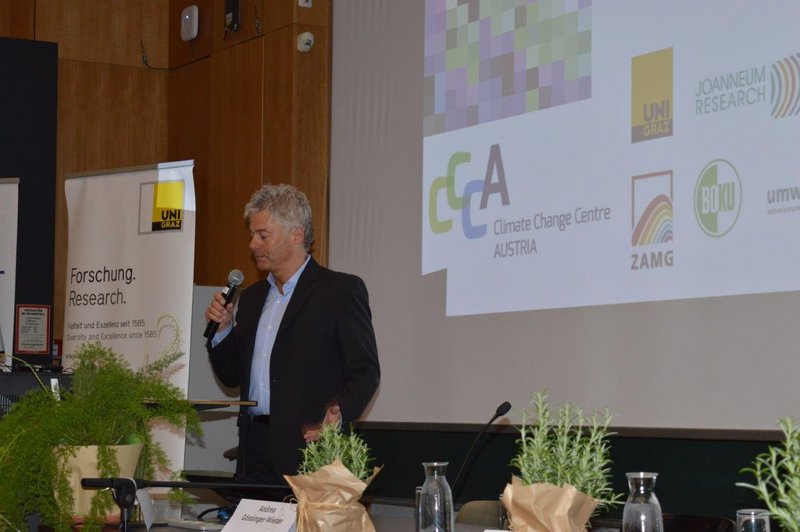
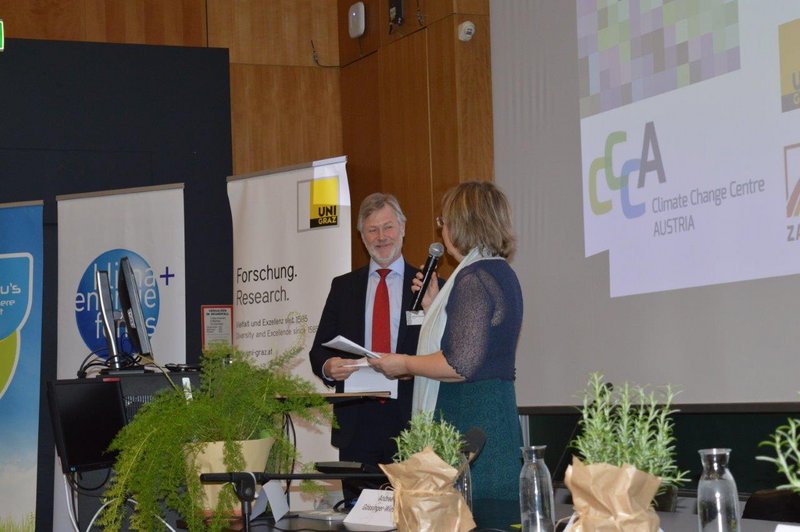
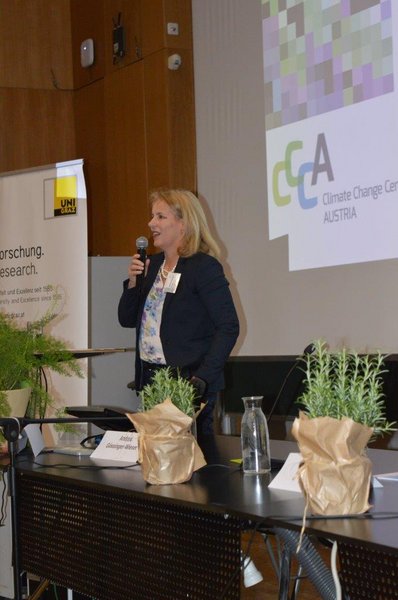
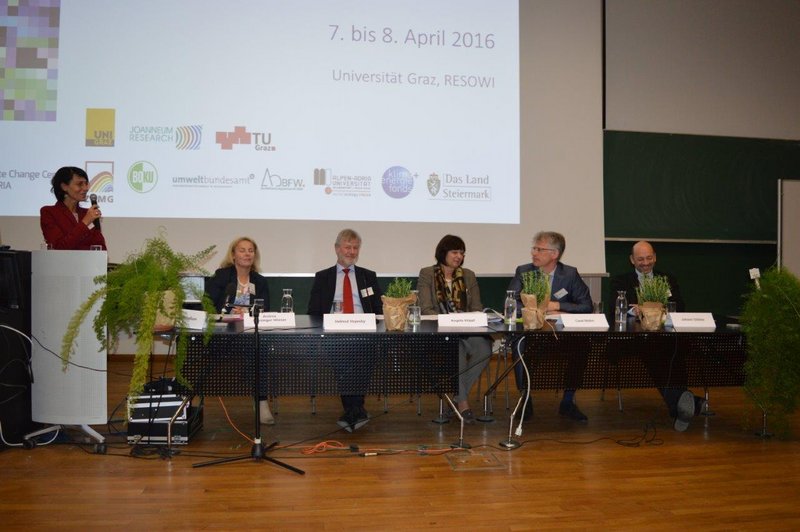
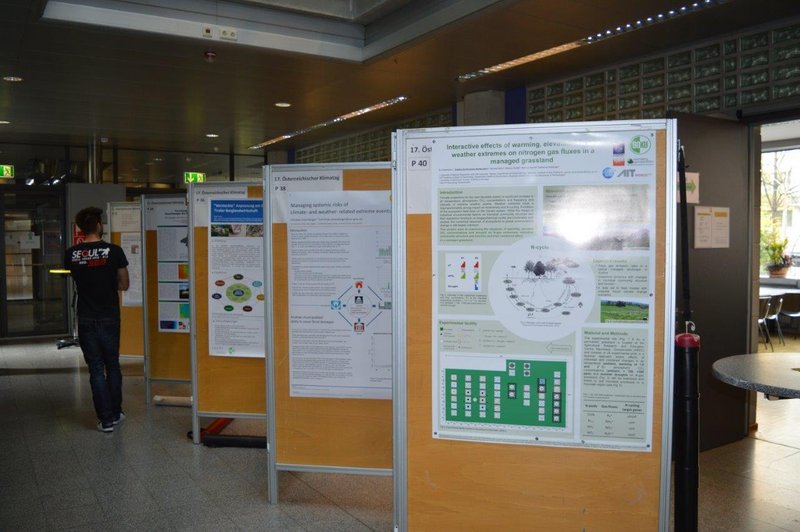
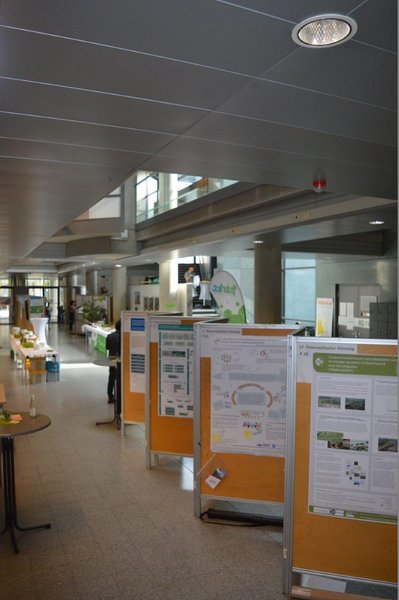
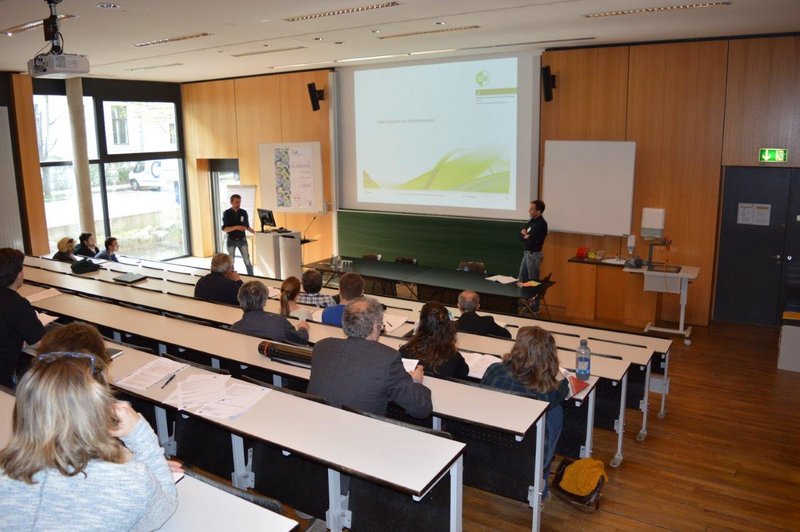
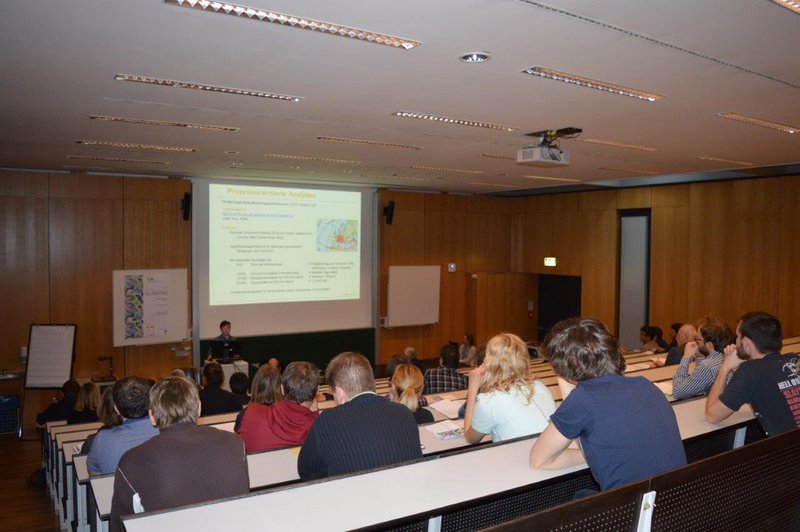
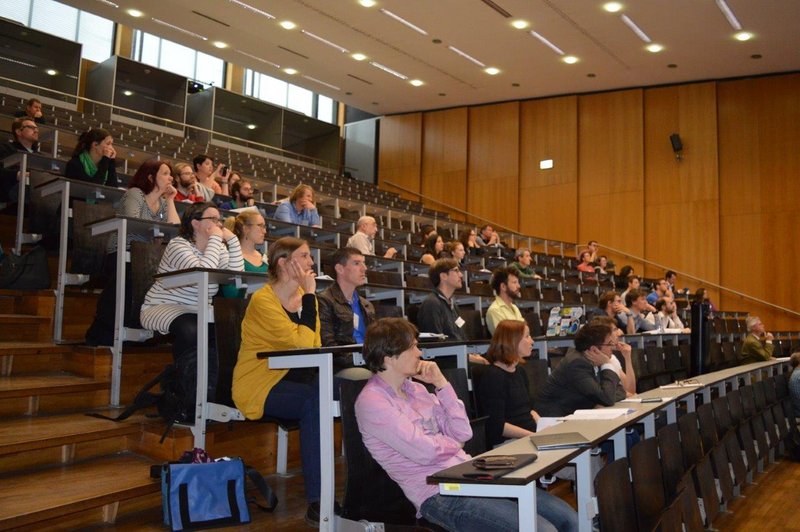
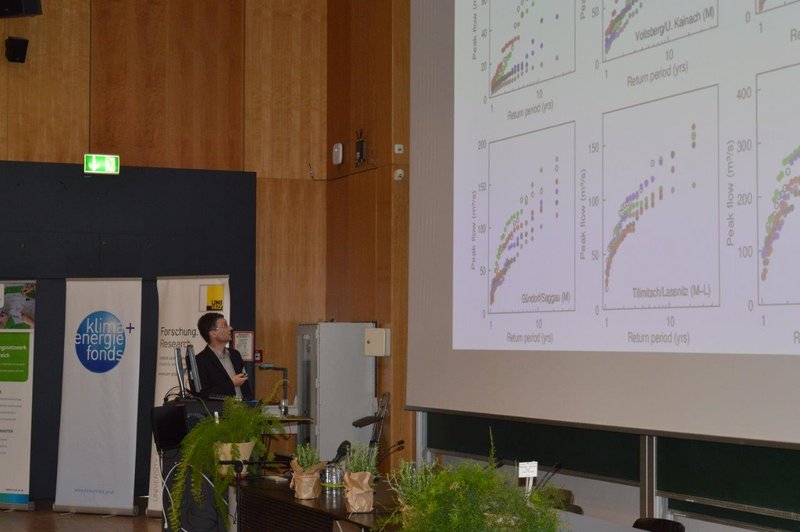
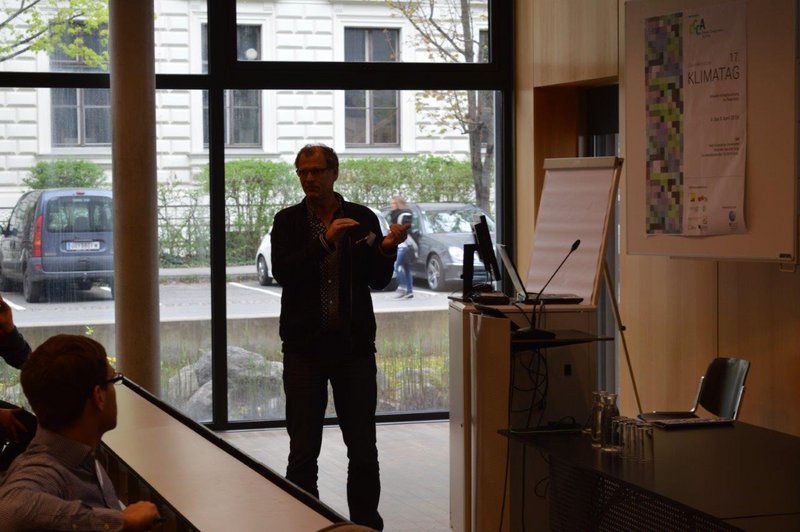
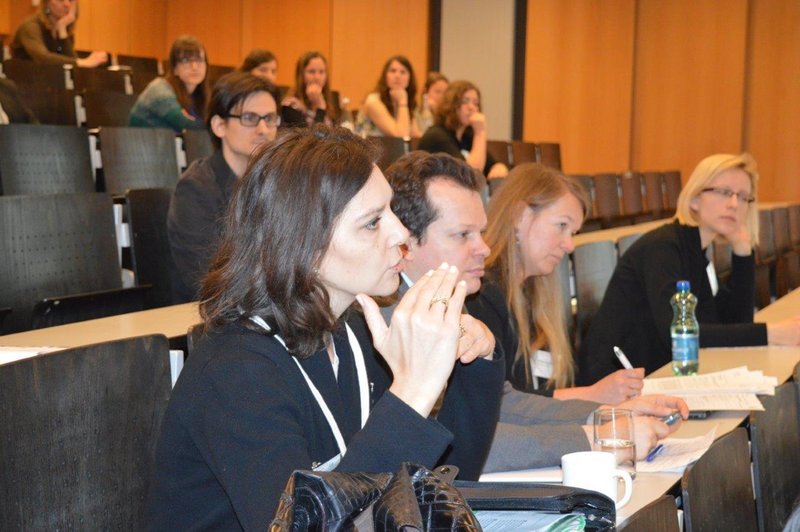
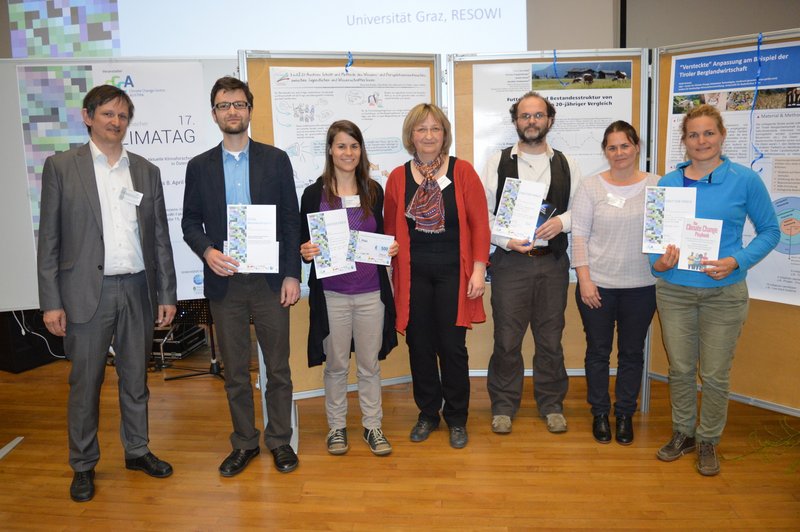
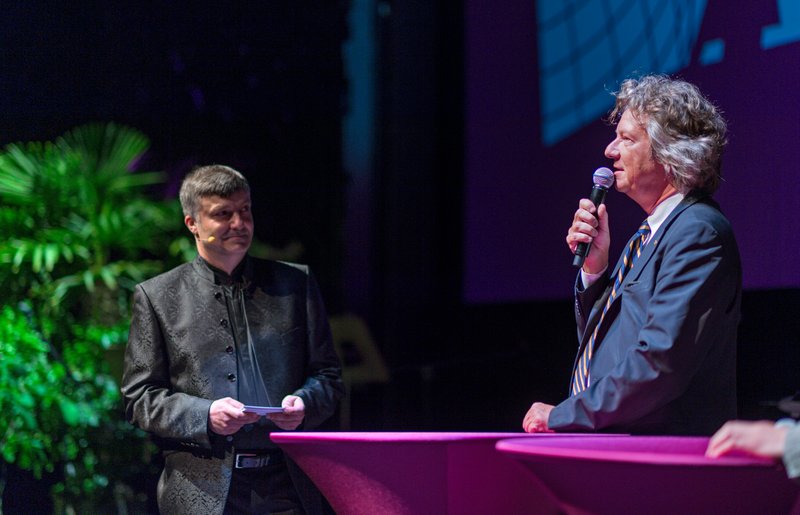
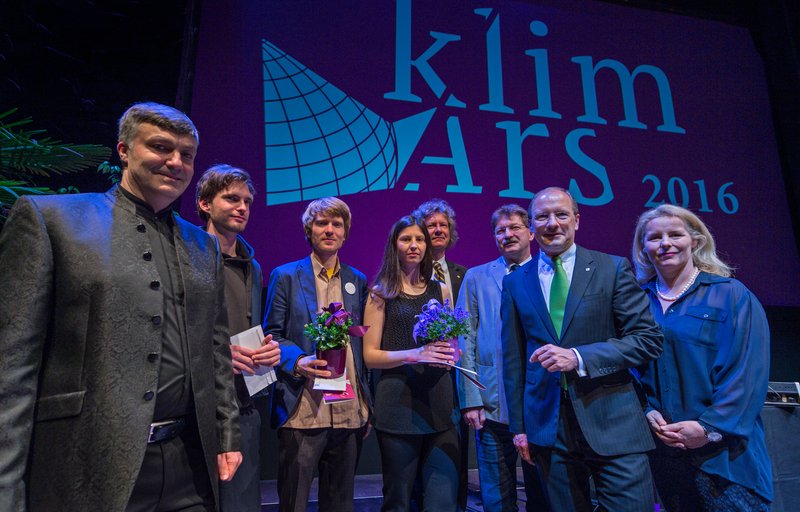
The following days were, as is tradition, dedicated to presenting the latest research findings from the past year. After the formal opening by host Peter Scherrer (Vice-Rector, Uni Graz), Ingmar Höbarth (Climate and Energy Fund), Helmut Hojesky (BMLFUW), Andrea Gössinger-Wieser (State of Styria), and Wolfgang Schöner (Chair, CCCA), more than 50 speakers found a broad audience at the RESOWI Centre of Karl-Franzens-Universität Graz to discuss their scientific findings. Thomas Schinko (IIASA) was awarded the CCCA Early Career Prize for his contribution on the topic "Developing a methodological framework for operationalizing Iterative Climate Risk Management based on insights from the case of Austria."
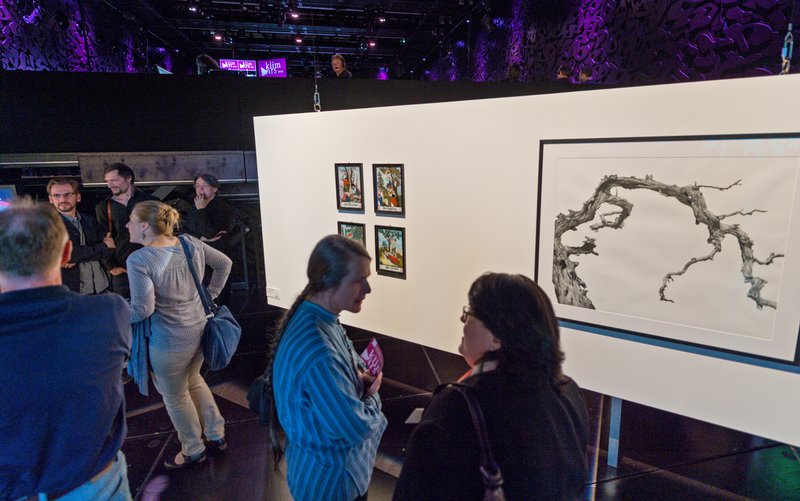
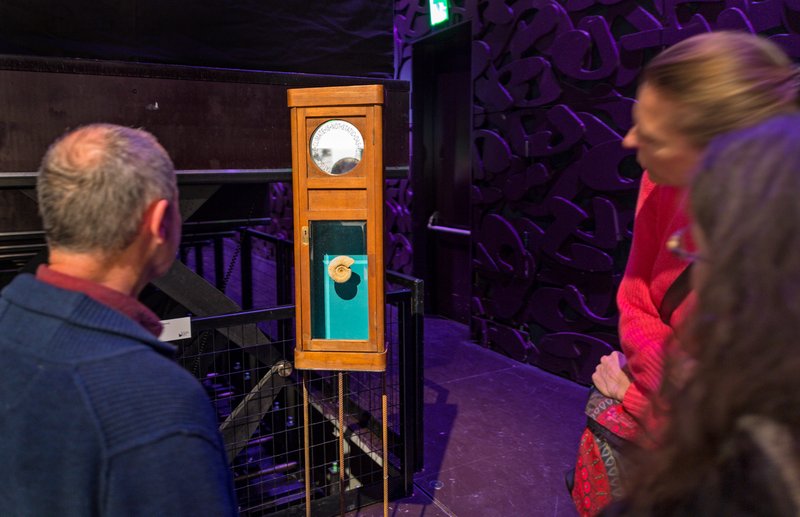
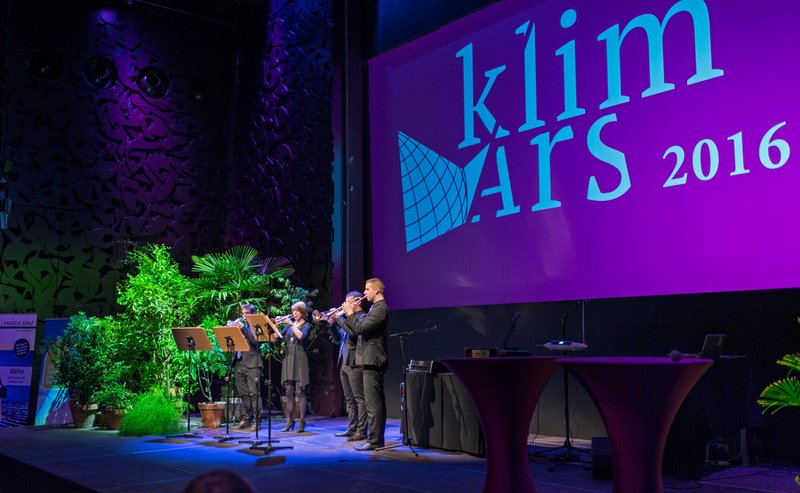
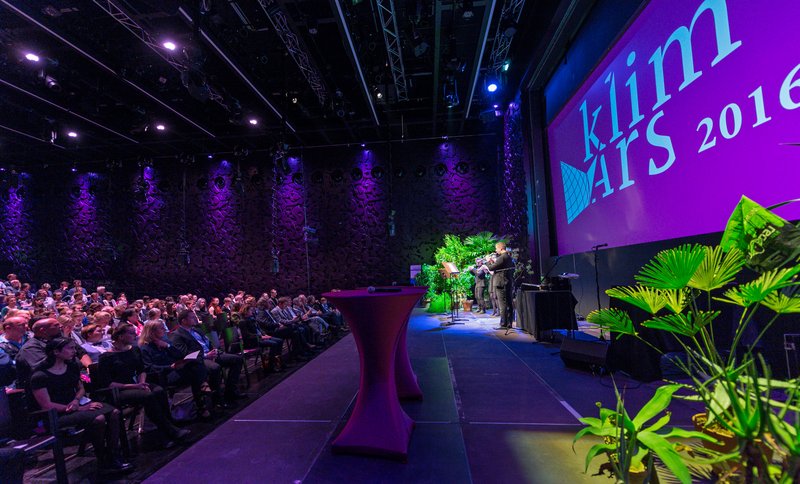
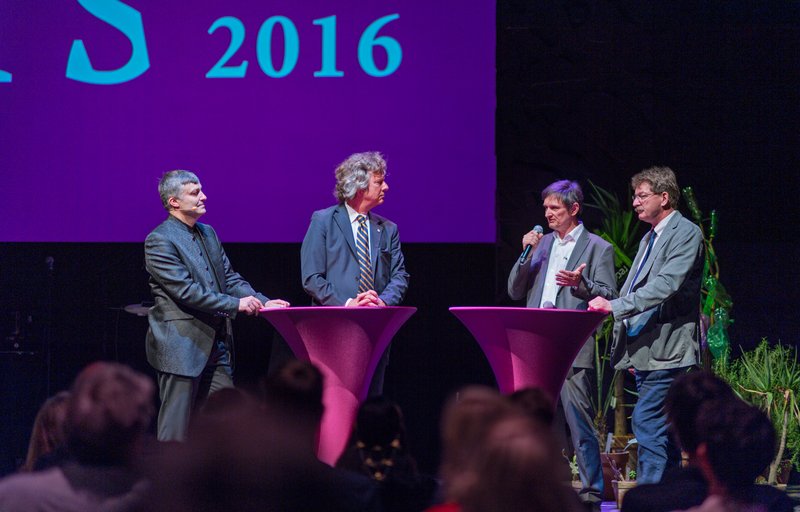
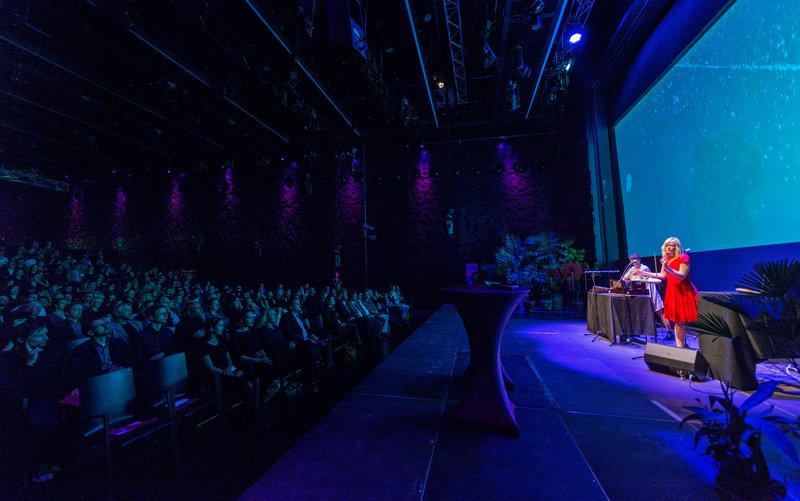
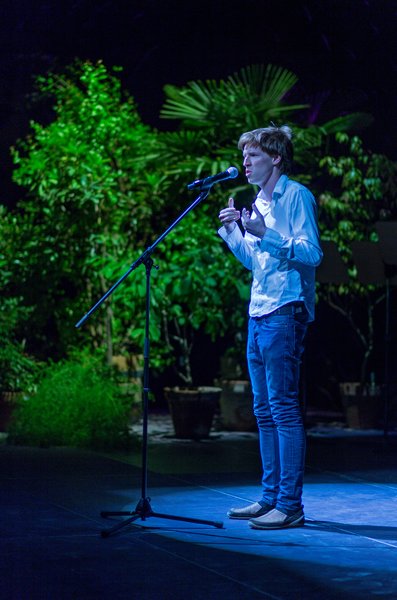
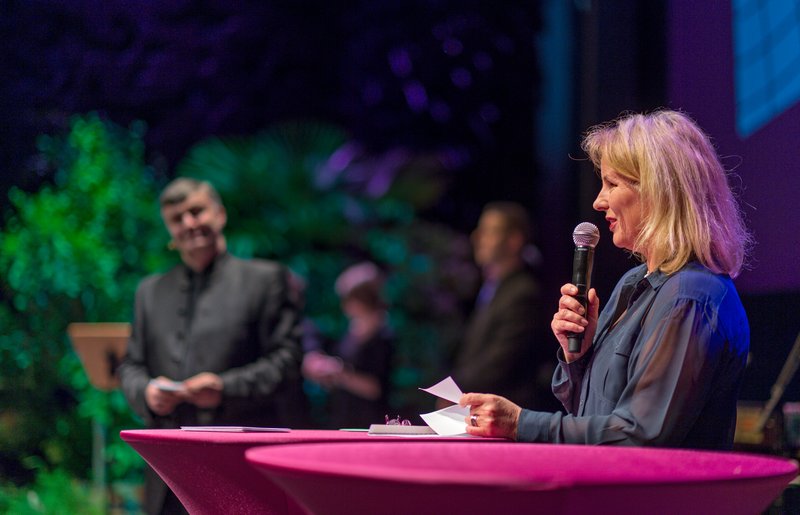
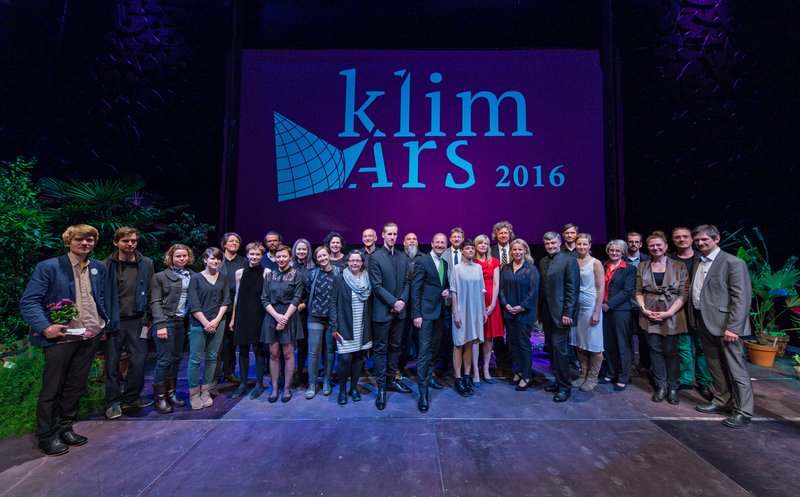
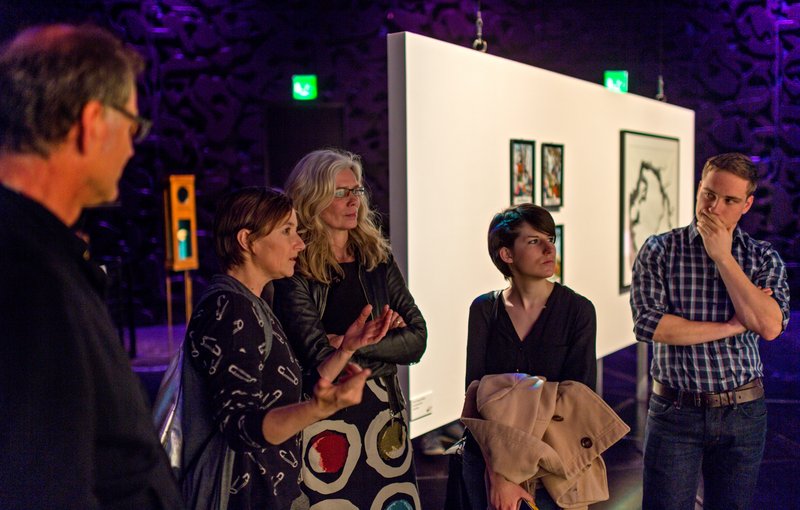
A fresh take on the subject of climate change was provided by the "KlimARS 2016 Art Competition", which inspired 99 artists to engage with the impacts of climate change. From the many submissions — which clearly reflect the topicality and societal relevance of the subject — a high-calibre jury selected 20 works that were presented at the Klimatag evening event at the MUMUTH of the University of Music and Performing Arts Graz. This evening made for a truly fascinating coming together of two worlds that only appear to be very different.
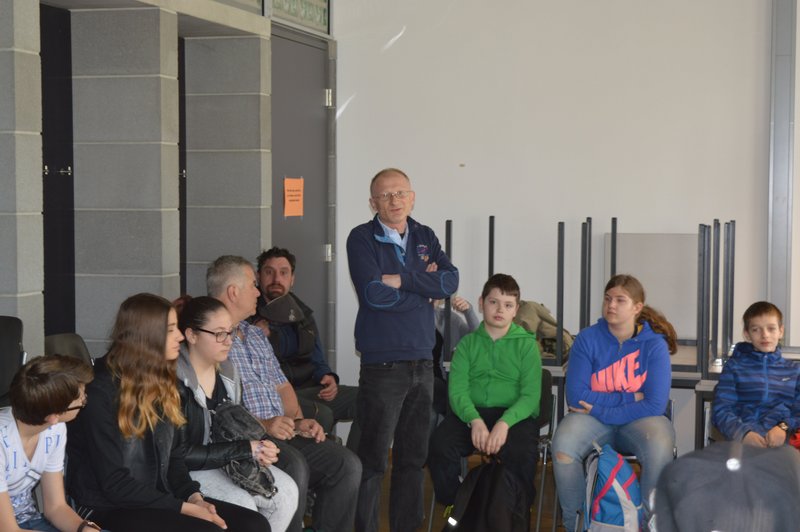
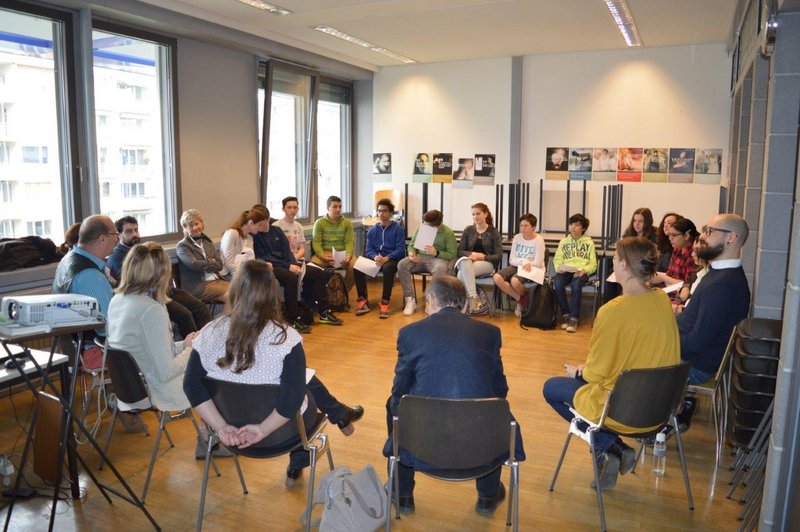
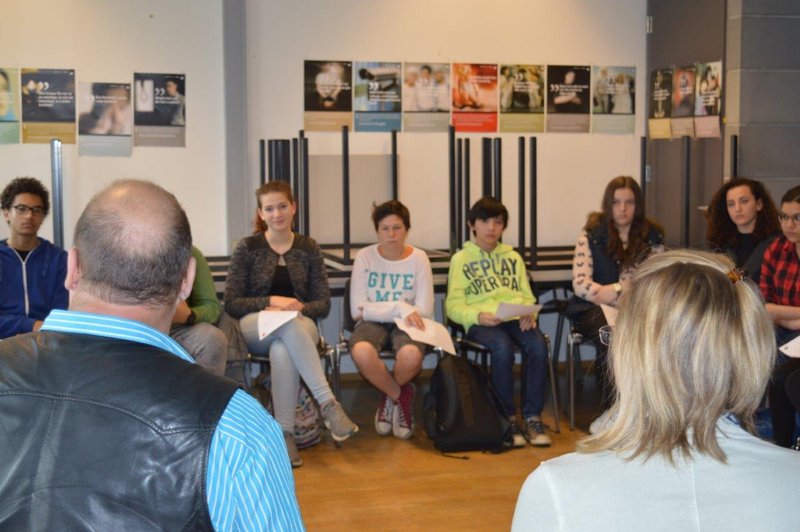
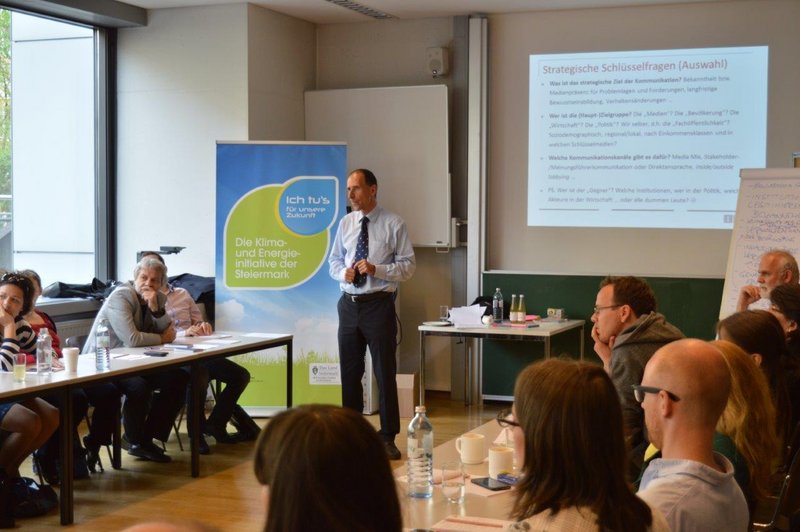
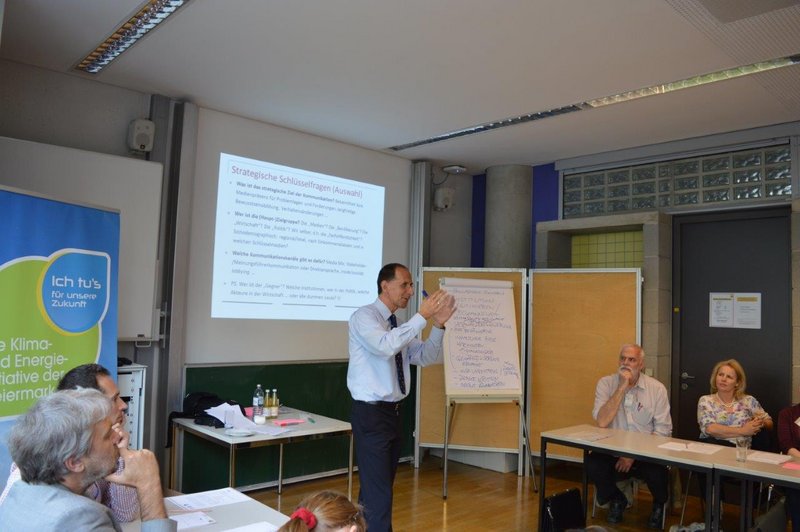
For several years now, the dialogue between science and society has been given more space within the Klimatag. In this spirit, a multiplier workshop on the topic of "Communication for climate protection" was organised. At the invitation of the State of Styria, communicators focused intensively on crafting messages and identifying the most effective channels for getting them out there. In addition, two school classes were invited to exchange questions and concerns with researchers. Now, in this crucial phase following the Paris Agreement, and if we genuinely want to contribute to achieving the Paris targets, engaging with society is of particular importance for the domestic scientific community. The rhetorical question posed at the high-profile panel discussion — "Who, if not us? When, if not now?" — underlined the urgency of this issue. At this year's Klimatag, there was broad agreement that it'll take our full commitment as well as supporting research findings to achieve the transition towards a post-fossil, sustainable society!
In Brief
Alongside its core function as a scientific conference, the Austrian Klimatag increasingly facilitates an exchange between research, policy, and the public.
The 17th Austrian Klimatag took place from 6–8 April 2016, in Graz for the first time.